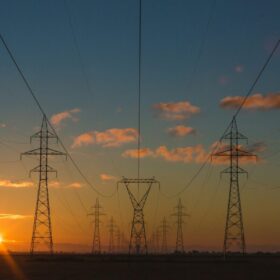
IRENA proposes global electrification target of 35% by 2035
New report from the International Renewable Energy Agency (IRENA) says renewables will be key to meeting rising global demand for electricity but with up to 2.5 TW of solar, storage and wind projects already in connection queues worldwide, increased investment in grid infrastructure will be pivotal.
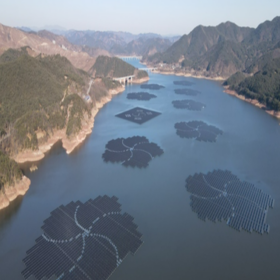
DNV publishes new floating PV safety standards
DNV has published two new guidelines covering the structural design of floats for floating solar systems and their mooring and station keeping systems.

U.S. PV manufacturing capex could reach $7 billion in 2027 in breakout year for domestic supply-chain
Driven by multi-billion-dollar investments from the likes of Tesla and Corning, U.S. solar manufacturing capital expenditure is forecast to skyrocket 150% year-on-year to $7 billion in 2027, marking a massive breakout year as silicon-based technology eclipses thin-film spending and cements a domestic supply chain.
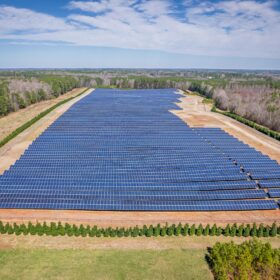
Data shows solar development on farmland avoids driving up food prices
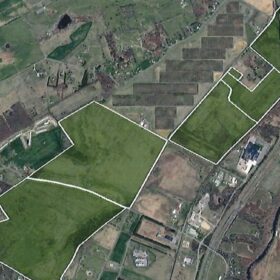
A county-level agricultural economic model demonstrates that utility-scale solar expansion has a negligible impact on national commodity markets.
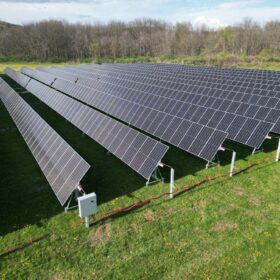
Intelligent solar siting neutralizes local opposition at near-zero cost
Macro-siting models that protect sensitive habitats and farmland from utility-scale development reduce permitting friction for a mere 0.17% cost premium.
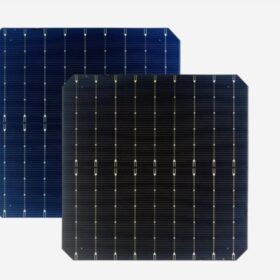
Toyo denies Ethiopia duty evasion, confirms 4 GW ramp and U.S. cell plant
Toyo Co. says a new anti-circumvention petition targeting its Ethiopian solar cell facility is “riddled with misinformation.” The Japanese manufacturer tells pv magazine that the site reached 4 GW of capacity last year and that it is planning a U.S. onshore cell plant.
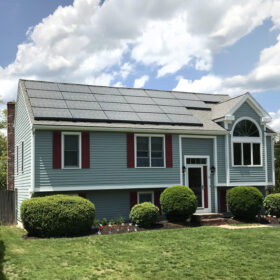
Massachusetts distributed solar potential reaches 92 GW as electrification demand rises
A report from the Applied Economics Clinic reveals that Massachusetts possesses 92 GW of technical potential for distributed solar, a capacity nearly four times higher than the state projected peak electricity demand for 2050. The report explores program design for more equitable access to the benefits of distributed solar and storage.
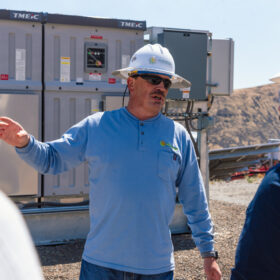
NERC inverter-based resource registration initiative enters final stretch for asset owners
As the May 15, 2026 deadline arrives, previously exempt solar and energy storage operators must finalize their registrations under the newly expanded bulk power system compliance framework.

How T1 Energy is ramping up multi gigawatt U.S. solar manufacturing
Ahead of Solar Manufacturing USA 2026, Conference Chair Finlay Colville sits down with T1 Energy CEO Daniel Barcelo to discuss the company’s rapid multi-gigawatt module ramp-up and its strategic push to onshore the U.S. solar cell supply chain.
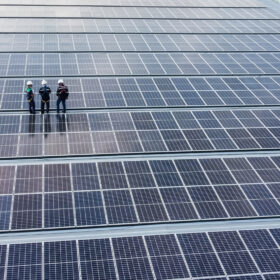
Solar approaches 3 TW, but the industry faces new challenges
Global solar PV capacity reached around 2,974 GW by end-2025, with nearly 698 GW added in 2025. The sector, however, is shifting from rapid deployment to integration challenges, as high penetration rates drive curtailment, storage demand, grid constraints, and evolving policy and market designs.