Fixed-charge hikes undermine the economics of rooftop solar and storage, elevate consumer costs
Mandatory utility fees, passed in 27 states, distort price signals for rooftop solar and storage, locking households into an expensive, centralized grid framework.
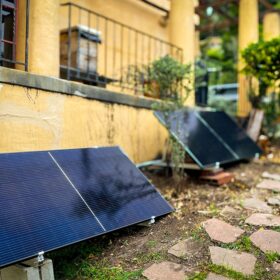
California Senate passes plug-in solar bill
The Plug and Play Solar Act, which passed on a 35-1 vote, would allow portable solar generation devices with up to 1,200 watts of output to connect to a building through a standard outlet. The bill now moves to the state Assembly, which has until August 31 to pass it during the current session.

Keeping the GHG Protocol an engine of corporate PPA growth
As the World Resources Institute prepares to revise its highly influential Greenhouse Gas (GHG) Protocol by late 2026 or early 2027, a heated debate has emerged between tech giants advocating for stricter time- and geographic-matching rules and industry advisors warning that such complex mandates could stifle the corporate Power Purchase Agreements (PPAs) vital to scaling global renewable energy.
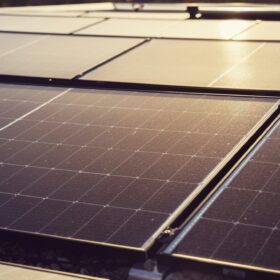
States rethink solar rules as affordability and grid constraints reshape the market
The U.S. distributed solar market is entering a more complicated policy era, according to a report from the North Carolina Clean Energy Technology Center.
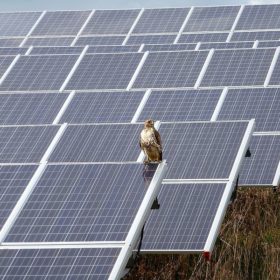
RFP alert: DTE Energy opens bidding for 1 GW of solar and wind capacity
The Michigan utility issued a request for proposals targeting new in-state renewable energy assets to support its long-term generation strategy.

Toyo denies Ethiopia duty evasion, confirms 4 GW ramp and U.S. cell plant
Toyo Co. says a new anti-circumvention petition targeting its Ethiopian solar cell facility is “riddled with misinformation.” The Japanese manufacturer tells pv magazine that the site reached 4 GW of capacity last year and that it is planning a U.S. onshore cell plant.
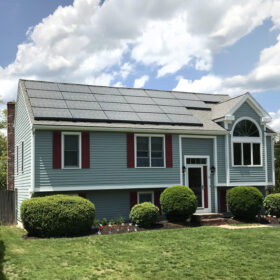
Massachusetts distributed solar potential reaches 92 GW as electrification demand rises
A report from the Applied Economics Clinic reveals that Massachusetts possesses 92 GW of technical potential for distributed solar, a capacity nearly four times higher than the state projected peak electricity demand for 2050. The report explores program design for more equitable access to the benefits of distributed solar and storage.
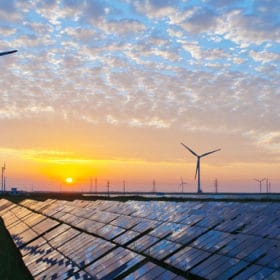
Clean energy shifts from fossil fuel replacement to critical load-serving resource
States are now balancing three priorities simultaneously: emissions reductions, grid reliability, and explosive demand growth, explores a report from the North Carolina Clean Energy Technology Center.

U.S. solar makers accuse Toyo and Origin Solar of duty evasion in Ethiopia
Eight US solar manufacturers have filed an anti-circumvention complaint with the US Department of Commerce, alleging that solar cells and modules assembled in Ethiopia using Chinese-origin components are evading existing antidumping and countervailing duty orders on Chinese solar products.
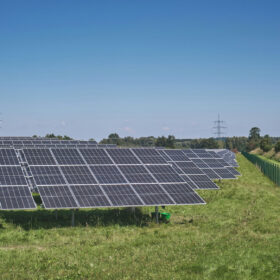
Integrated policy tools to solve the renewable energy siting crisis
A white paper explores how forward-thinking state policymakers and solar developers are moving beyond traditional property tax structures to embrace contractual legal tools that provide both long term regulatory certainty and tangible infrastructure improvements for host communities.