Solar generation to surpass coal in Texas
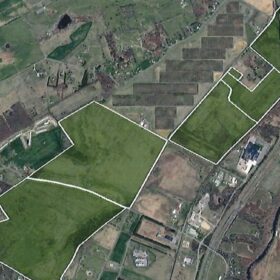
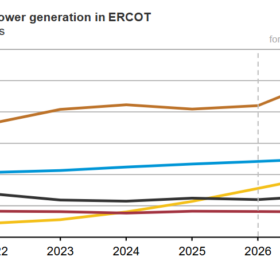
Utility-scale solar power is projected to surpass coal-fired generation in the ERCOT grid this year as massive capacity additions continue to reshape the state energy mix.
Arava Power agrees to acquire half of 670 MW OCI Energy Texas solar project
The La Salle Solar facility, which represents the largest single-site solar project for either of the two companies, is scheduled to begin commercial operation in 2028.
Clean energy shifts from fossil fuel replacement to critical load-serving resource
States are now balancing three priorities simultaneously: emissions reductions, grid reliability, and explosive demand growth, explores a report from the North Carolina Clean Energy Technology Center.
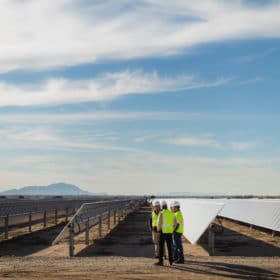
SRP and NextEra Energy Resources partner on massive solar expansion
Salt River Project and NextEra Energy Resources have signed a power purchase agreement for 3,000 MW of solar to be built in Arizona through 2027.

Clean power captures 91% of new U.S. grid capacity as 2025 installations hit 50 GW
The U.S. clean energy sector set a blistering pace in 2025, with utility-scale solar, wind, and energy storage accounting for 91% of all new power capacity added to the domestic grid.
Solar and storage to lead 86 GW capacity surge in 2026
New federal data shows solar and battery assets will comprise nearly 80% of all new utility-scale power additions planned for the U.S. electric grid this year.
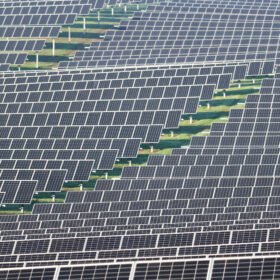
RFP Alert: NYSERDA seeks RECs from eligible land-based renewable energy projects
The state agency has launched its tenth annual solicitation for Tier 1 Renewable Energy Certificates, seeking proposals from mature wind, solar and hydroelectric facilities, with a focus on eligible projects seeking to access expiring federal tax credits.
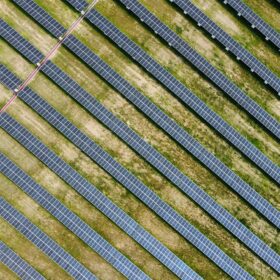
CleanCapital and Energix announce deal for 120 MW Ohio brownfield solar development
The long-delayed Nottingham Solar project, located on a former coal strip mine in Harrison County, is now under construction with an expected energization date of January 1, 2027.
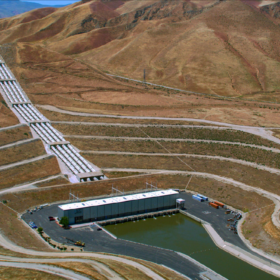
California powers its massive water pumps with 105 MW Kern County solar project
The state is putting the sun to work on the 2,000-foot heavy lift that keeps California hydrated.
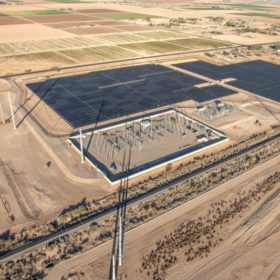
SRP flips the switch on 55 MW ‘living lab’ solar project in Arizona
Salt River Project (SRP) has commissioned its first utility-owned solar plant, a 55 MW facility at the Copper Crossing Energy and Research Center. Beyond its immediate generation capacity, the site is being utilized as a testing ground for PV hardware durability and long-duration storage technologies in extreme desert environments.