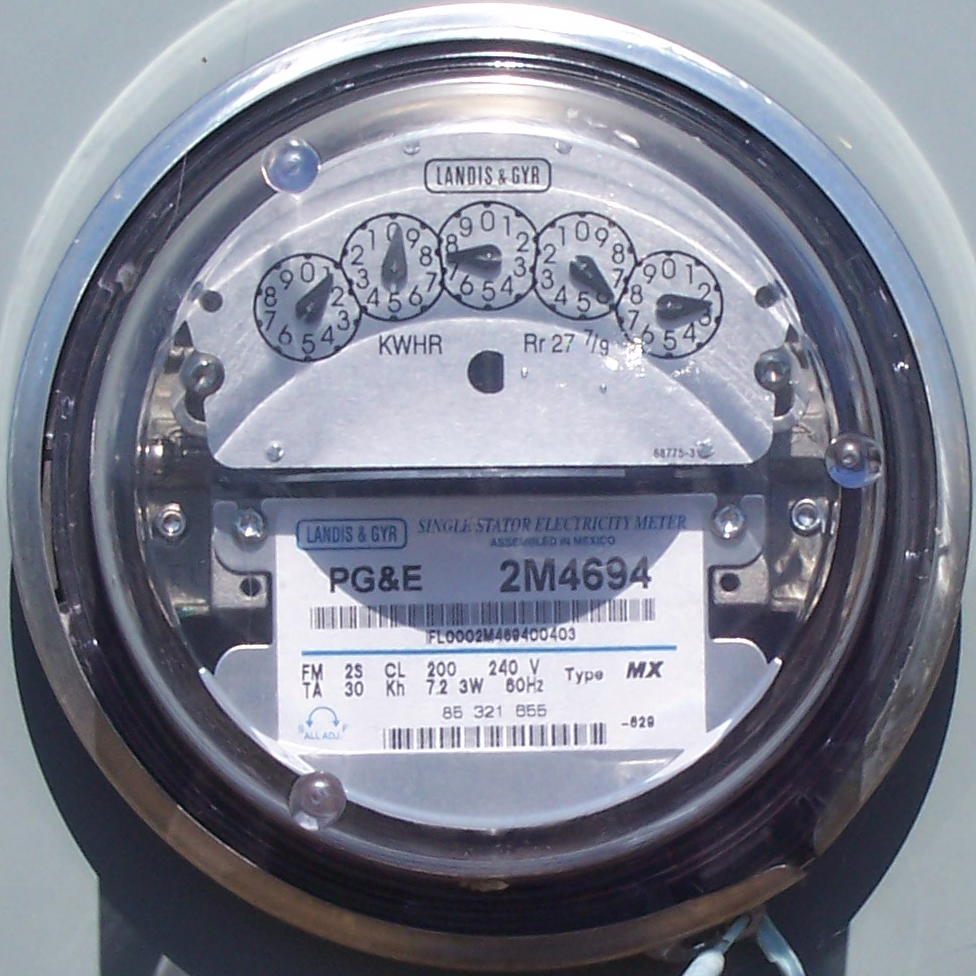





State utility regulators are executing a significant structural shift in residential rate design that directly reduces the financial viability of private clean energy investments. According to tracking data from the North Carolina Clean Energy Technology Center, regulators in 27 states have approved high fixed monthly charges or minimum bills for residential accounts.
By increasing mandatory base connection fees while simultaneously lowering the per-kilowatt-hour variable rates charged for actual electricity consumption, investor-owned utilities are altering the traditional economic equation for distributed energy. The policy shift does not merely impact solar-only customers; it systematically erodes the return on investment for consumers who pair solar with behind-the-meter battery storage, distorting the market signals required to build a more resilient and affordable electrical system.
The economic logic of residential energy storage relies on time-of-use rate arbitrage, or charging a battery with cheap daytime solar generation and discharging it to power the home during expensive evening peak hours. When a utility inflates its fixed monthly fee and flattens its variable rates, the price spread between daytime and nighttime electricity shrinks. This compressed margin dilutes the financial value of a battery system, extending the payback period for a technology that requires a significant upfront capital investment.
Furthermore, high fixed charges establish an inescapable billing floor. Even if a household achieves total energy self-sufficiency and pulls zero net power from the grid, the customer must still pay the mandatory base fee. This structural rate design removes a consumer’s control over their own monthly expenses, penalizing households that invest private capital into energy conservation, rooftop solar, and localized battery storage.
( Read: “What happens when utilities raise the fixed charge and lower the energy charge?“)
While utilities defend these charges as necessary mechanisms to ensure all customers contribute to physical grid maintenance, suppressing distributed energy generation ultimately drives up long-term electricity prices for the entire consumer base.
The traditional centralized utility model relies on transporting power over vast distances from utility-scale generation plants to high-demand population centers. This architecture requires continuous, multi-billion-dollar investments in transmission lines and substation upgrades to handle peak demand periods.
Analysis from the Rocky Mountain Institute (RMI) indicates that expanding centralized infrastructure is a primary driver of rising retail electricity rates across the United States. When regional grids face capacity constraints, the cost of expanding high-voltage transmission lines is passed directly onto consumers through increased delivery charges, locking in higher systemic costs for decades.
Distributed energy resources offer a direct alternative to these expensive capital expenditure cycles. By generating and storing electricity at the point of consumption, residential solar-plus-battery systems reduce the aggregate peak load on the distribution grid.
(Read: “New York study finds distributed solar and storage could save ratepayers $1 billion annually“)
Localized mitigation delays or eliminates the need for utilities to construct costly transmission line expansions and substation overhauls. Clean energy advocacy groups, including Vote Solar, point out that incentivizing private distributed generation shifts the financial burden of infrastructure development away from public utility ratepayers and onto willing private investors.
When regulatory frameworks penalize private investment through high fixed charges, they discourage the exact decentralized deployment needed to alleviate grid congestion. The resulting reliance on a congested, centralized transmission system ensures that retail electricity prices remain high, leaving the consumer to pay for unnecessary and expensive infrastructure expansions.
This content is protected by copyright and may not be reused. If you want to cooperate with us and would like to reuse some of our content, please contact: editors@pv-magazine.com.





By submitting this form you agree to pv magazine using your data for the purposes of publishing your comment.
Your personal data will only be disclosed or otherwise transmitted to third parties for the purposes of spam filtering or if this is necessary for technical maintenance of the website. Any other transfer to third parties will not take place unless this is justified on the basis of applicable data protection regulations or if pv magazine is legally obliged to do so.
You may revoke this consent at any time with effect for the future, in which case your personal data will be deleted immediately. Otherwise, your data will be deleted if pv magazine has processed your request or the purpose of data storage is fulfilled.
Further information on data privacy can be found in our Data Protection Policy.