Plug-and-play control framework for adjusting panel tilt in agrivoltaics
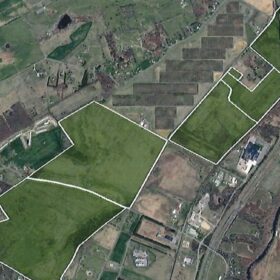
A Cornell University research team developed a control framework that simultaneously considers past and future conditions when determining solar panel tilt angle. The researchers told pv magazine it is designed to be plug-and-play, allowing for software developers and solar operators to incorporate their optimization algorithms directly into the framework.

Ford Energy announces DC block utility-scale BESS based on 512 Ah LFP cells
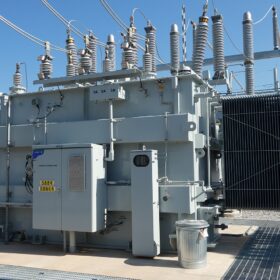
The automotive giant has formally unveiled Ford Energy, its new battery energy storage subsidiary, alongside initial details of its flagship grid-scale energy storage product.

Residential solar demand shifts from incentives to infrastructure as homeowners seek control
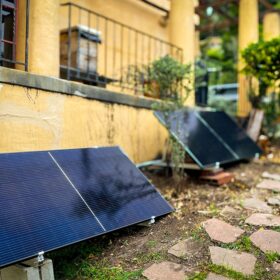
The U.S. residential solar market is transitioning from an incentive-driven luxury to an essential infrastructure necessity, as homeowners prioritize energy independence and grid resilience in the face of rising utility rates and increasing electrification.
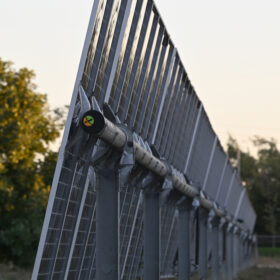
Solar insurance carriers take on project risk to keep plants producing and improve product technology
Last month, Oregon-based kWh Analytics announced a pilot program with tracker manufacturer Nextpower to share operational data, aiming to provide insurance carriers with a more dynamic, evidence-based view of solar project risk. In an interview with pv magazine USA, CEO Jason Kaminsky detailed the necessity of this shift toward data-driven underwriting.
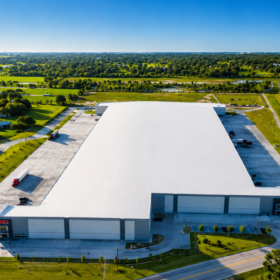
SEG Solar to expand U.S. manufacturing with 4 GW Houston module plant
The $200 million investment will bring the company’s total domestic production capacity to 6 GW by late 2026.
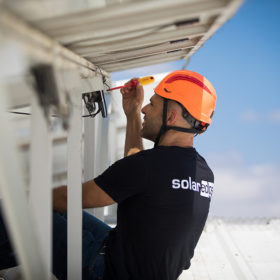
SolarEdge hits Q1 beat, targets breakeven as U.S. manufacturing ramps up
Bolstered by a sixth consecutive quarter of margin expansion and a stabilizing U.S. footprint, the inverter giant is pivoting toward its Nexis platform and AI data-center power solutions.

Sunrun maintains 2026 guidance despite Q1 headwinds, pivots toward storage and grid services
While the nation’s leading residential solar-plus-storage provider reported a mixed Q1 2026, management reiterated its full-year outlook, emphasizing a “margin of safety” strategy amid broader industry volatility.
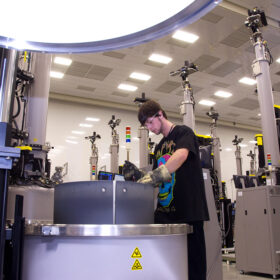
U.S. solar panel manufacturers need to learn to solder
CEA’s 2026 manufacturing quality report finds that yield rates vary widely based on the age of solar module assembly facilities, with mature Chinese firms nearing 100% and U.S. outlier facilities ranging all the way down to 30%.

Renew Risk launches storm catastrophe model for U.S. solar projects
Renew Risk has launched a catastrophe modeling tool designed to help insurers and reinsurers price the financial risks of severe convective storms for utility-scale solar assets.

U.S. inverter market faces policy, supply headwinds despite safe harbor pipeline
A new report from Intertek CEA suggests that while U.S. inverter demand will grow at a 6% CAGR through 2028, developers face a tightening regulatory environment driven by “Foreign Entity of Concern” (FEOC) rules and cybersecurity mandates.