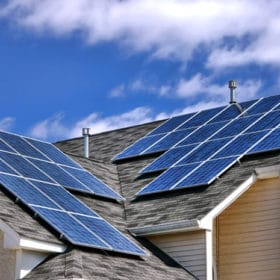
There’s more to solar systems than module capacity
While solar modules are often defined first and foremost by their capacity, higher module capacity doesn’t necessarily translate to a more efficient system, or even a longer-term yield. Understanding this and reflecting this idea onto customers can be key to delivering the right technology.

Solar and storage venture capital and finance roundup
Plus a bunch of investments in carbon capture.
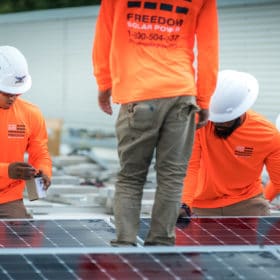
Morning Brief: Making sure Black communities have access to solar power
Also in the brief: Project development galore from EDF, Pine Gate, Silver Creek, Idemitsu, and Origis Energy.

Job Moves: Amazon, DOE, Alphabet, Pattern Energy, SolarEdge, Recurrent, Brookfield, Southern Power, RMI
Executive moves in solar, storage, cleantech, utilities and energy VC

SEIA finds rooftop solar is worth 24¢/kWh in Michigan
The value of rooftop solar is well above the net metering compensation paid to customers with rooftop solar, the solar association found.

Morning Brief: NERA anti-net metering petition update, renewables top nuclear and coal again
“Reports indicate that the Taxpayers Protection Alliance, the Heartland Institute and NERA all have ties to the Koch brothers, who have funded climate denial and pro-fossil fuel campaigns for roughly three decades.”

Funding for solar inspection by drone, long-duration energy storage, and software for utilities
A roundup of recent funding in renewable energy and cleantech: Quidnet, DroneBase, Eos Energy, Urjanet, and Clir Renewables.
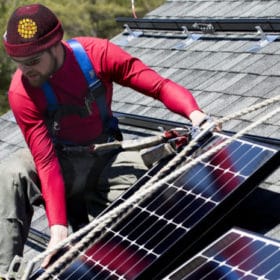
Morning Brief: California’s solar mandate in action, Amazon’s $2B climate fund
Also in the brief: generational climate divide among Republicans, installing solar in the Alaskan tundra
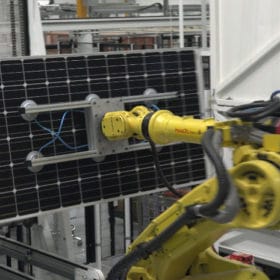
PV module prices are falling faster than all predictions
New research from Wood Mackenzie shows that overall system costs for installations using mono PERC modules are set to fall by as much as 20% by 2025.
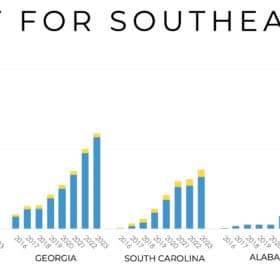
Southeast states to add nearly 15 GW of solar by 2023
South Carolina is set to surpass North Carolina in solar watts per customer. Georgia and Florida will exceed the Southeast average, while utilities in Tennessee, Alabama and Mississippi will continue to lag. Overall the states will reach 5% solar generation by 2023.