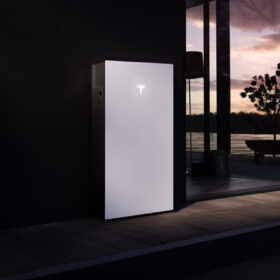
Clean power captures 91% of new U.S. grid capacity as 2025 installations hit 50 GW
The U.S. clean energy sector set a blistering pace in 2025, with utility-scale solar, wind, and energy storage accounting for 91% of all new power capacity added to the domestic grid.
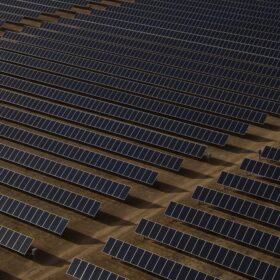
Electrical contractors step into a bigger role as solar and storage scale up
The U.S. solar market is shifting toward larger projects, and that is changing the kind of electrical work those jobs require.
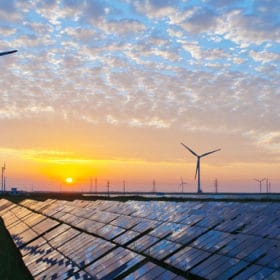
Republican legislators seek to restore clean energy tax credits
Four Republican representatives introduced The American Energy Dominance Act to help lower costs, strengthen domestic supply chains, drive long-term investment in energy infrastructure, and support good-paying union jobs.
Boviet Solar sells U.S. PV module factory to Indian manufacturer Inox Solar
The divestment, already partially secured via escrow, reflects regulatory pressure from U.S. FEOC policy changes. Boviet Solar also continues negotiations to sell a separate U.S. cell project.

Maine becomes the 11th state to allow community choice aggregation
The state joins a growing list of places that allow municipalities to form local energy groups, giving residents more control over electricity costs and a faster path to 100% renewable energy goals.

Supply chain constraints, not demand, will define the solar decade
As global solar installations approach 600 GW, the industry is shifting from a technology-driven market to one defined by the industrial capacity and supply chain resilience required to meet record demand.

Stem acquires raicoon to automate solar asset monitoring
The Houston-based energy software company has acquired the assets of the startup to integrate autonomous fault detection and work order generation into its PowerTrack platform for the United States solar market.
Solar and storage to lead 86 GW capacity surge in 2026
New federal data shows solar and battery assets will comprise nearly 80% of all new utility-scale power additions planned for the U.S. electric grid this year.

The battery cost disconnect
For years, the battery energy storage (BESS) story has followed a familiar script: costs fall, deployment accelerates, economics improve. Even when cell costs rose and system prices briefly flattened during the 2021-22 lithium price spike, the narrative largely held. Paola Perez Peña, senior principal analyst at S&P Global Energy, examines why the latest jump in lithium prices has only had limited impacts on overall BESS costs so far.
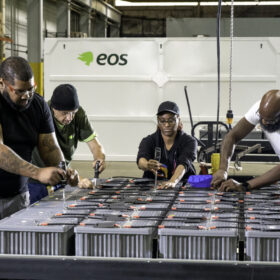
Medium duration endures woes, while Form’s long duration grows, and lithium overflows (part 2)
U.S. medium and long duration manufacturers EOS and ESS are showing stress, while Form Energy is outpacing projections and now must scale – all while being stalked by lithium’s ever widening use profile.