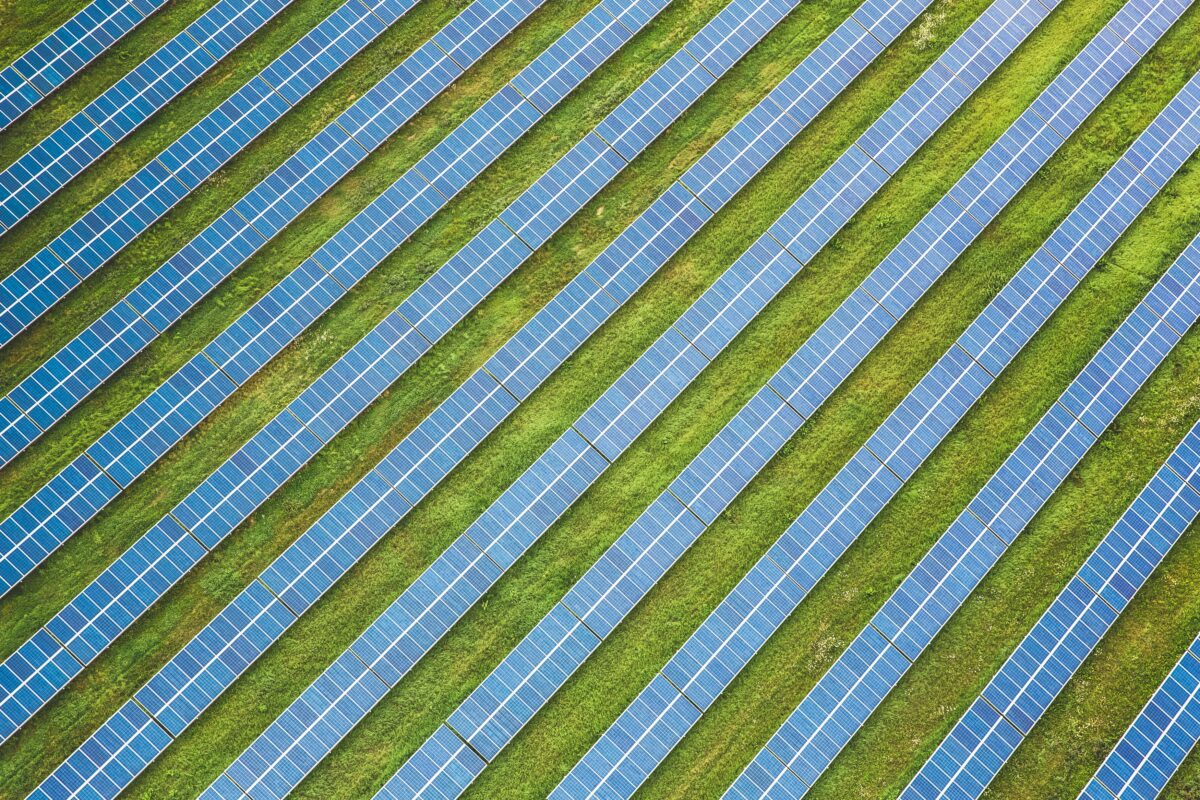





The U.S. electric grid is on track for a record-breaking year as developers plan to add 86 GW of new utility-scale capacity in 2026, according to the latest data from the U.S. Energy Information Administration (EIA). Clean energy technologies are set to dominate the expansion, with solar and battery storage accounting for the vast majority of all planned additions.
According to the April 2026 Electric Power Monthly report, the energy transition is accelerating as fossil fuel capacity faces a net decline. Generation from renewables increased by 10.8% in the first two months of the year, providing 26% of total U.S. generation.
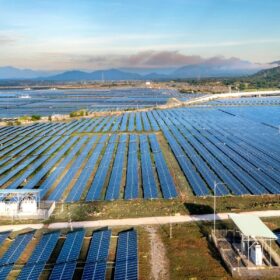
Utility-scale solar remains the largest driver of new capacity, with 43.4 GW planned for 2026, a 60% increase over 2025 installations. Texas continues to serve as the nation’s solar hub, accounting for 40% of all new utility-scale projects. Notable additions include the 837 MW Tehuacana Creek 1 project in Texas, which is expected to be the largest solar PV facility to come online this year.
Small-scale solar is also maintaining significant momentum. As of February 2026, the U.S. reached over 60 GW of total small-scale capacity, with more than 6 GW added in the last 12 months alone.
The buildout of battery energy storage is keeping pace with solar growth to manage grid reliability and intermittency. Developers plan to add a record 24 GW of utility-scale storage in 2026, a massive jump from the 15 GW added last year.
By the end of the first quarter of 2027, the EIA projects total U.S. battery storage capacity will surge from 44.6 GW to over 67 GW. Much of this growth is concentrated in three states:
- Texas: 12.9 GW (53% of new capacity)
- California: 3.4 GW (14% of new capacity)
- Arizona: 3.2 GW (13% of new capacity)
Major storage projects slated for 2026 include the 621 MW Lunis Creek BESS in Jackson, Texas, and the 500 MW Bellefield 2 Solar & Energy Storage Farm in Kern County, California.
Following several years of slower growth, wind capacity additions are expected to more than double in 2026, with 11.8 GW planned. This includes two major offshore projects: the 800 MW Vineyard Wind 1 and the 715 MW Revolution Wind. In the West, hydropower generation is forecasted to grow by 6% this year as reservoir levels in California and the Northwest remain near capacity following favorable winter precipitation.
As renewables continue to scale, the EIA expects the combined share of solar and wind generation to surpass 20% of the total U.S. mix by early 2027, while natural gas’ share of capacity is projected to drop below 39%.
This content is protected by copyright and may not be reused. If you want to cooperate with us and would like to reuse some of our content, please contact: editors@pv-magazine.com.


By submitting this form you agree to pv magazine using your data for the purposes of publishing your comment.
Your personal data will only be disclosed or otherwise transmitted to third parties for the purposes of spam filtering or if this is necessary for technical maintenance of the website. Any other transfer to third parties will not take place unless this is justified on the basis of applicable data protection regulations or if pv magazine is legally obliged to do so.
You may revoke this consent at any time with effect for the future, in which case your personal data will be deleted immediately. Otherwise, your data will be deleted if pv magazine has processed your request or the purpose of data storage is fulfilled.
Further information on data privacy can be found in our Data Protection Policy.