
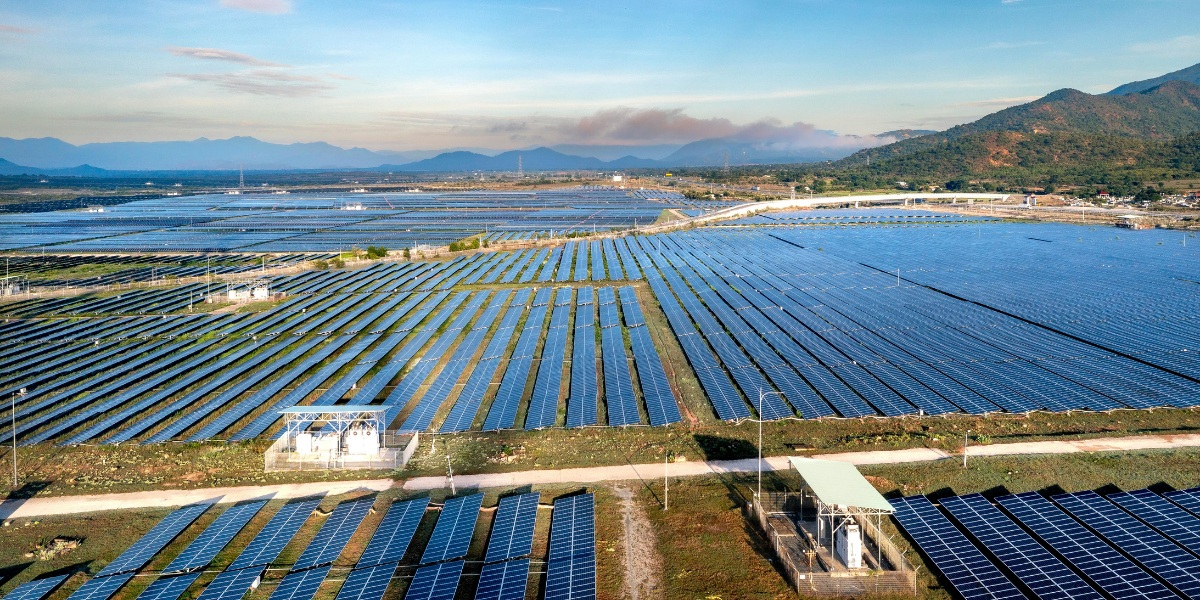





The growth in data centers in the U.S. has sparked often heated conversations around the significant energy use of these facilities. A February 2026 analysis released by the Electric Power Research Institute (EPRI) projects that the data center share of total electricity use in the U.S. will grow from 4%-5% in 2024 to 9%-17% in 2030. The analysis estimates that the state of Virginia could even see the data center share of electricity use to reach somewhere between 39% and 57% by 2030.
In this new market landscape, time-to-energization is now as critical as capital expenditures for utility-scale solar projects. Days and weeks now matter more than marginal cost savings, as project execution timelines focus on factors like interconnection queues, PPA milestones, expiring tax incentives, and financing terms. On top of these concerns, transportation constraints, regional weather events, and labor shortages have contributed to volatile delivery timing.
Drivers for increased project risk
Utility-scale solar projects can be thrown off track by late-stage material substitutions, rushed procurement, and fragmented suppliers. As schedules tighten, last-minute substitutions that trigger redesigns, re-approvals, and installation errors can derail deadlines and put projects at risk. Materials that are assumed to be commodities – such as electrical wire & cable, conduit, and accessories – are often procured late in the project. In rushed procurement cases like this, project developers can discover that not all materials are readily available on short notice.
Solar farm project developers may think that they are safe from risk because they have multiple suppliers in their supply chain portfolio. However, this does not automatically translate to fast delivery in practice. While it may in theory be better to avoid reliance on any one supplier for the majority of your materials, coordinating myriad providers can lead to confusion, increased costs, and operational inefficiencies.
How to mitigate risk
Integrated logistics and early engineering support can go a long way toward mitigating risk in utility-scale solar projects. To avoid last-minute problems when materials are not available, project developers should take advantage of prepositioned inventory and products that are available domestically. This can help safeguard projects against supply-chain disruptions.
Suppliers that are able to ship complete orders ensure that projects are not waiting on a key component to move forward with a project. In the face of evolving regulatory and technical requirements, skilled engineers are essential at every stage of a project. Ultimately, companies that provide integrated logistics solutions through established relationships with global suppliers can minimize lead times and ensure product availability.
Time-to-energization is non-negotiable as U.S. energy demand continues to grow. But utility-scale energy projects can’t just “move fast and break things” the way tech startups can. Engineering support and experienced oversight of component supply chains are vital for minimizing risks to meet accelerated project timelines.
This content is protected by copyright and may not be reused. If you want to cooperate with us and would like to reuse some of our content, please contact: editors@pv-magazine.com.


By submitting this form you agree to pv magazine using your data for the purposes of publishing your comment.
Your personal data will only be disclosed or otherwise transmitted to third parties for the purposes of spam filtering or if this is necessary for technical maintenance of the website. Any other transfer to third parties will not take place unless this is justified on the basis of applicable data protection regulations or if pv magazine is legally obliged to do so.
You may revoke this consent at any time with effect for the future, in which case your personal data will be deleted immediately. Otherwise, your data will be deleted if pv magazine has processed your request or the purpose of data storage is fulfilled.
Further information on data privacy can be found in our Data Protection Policy.