
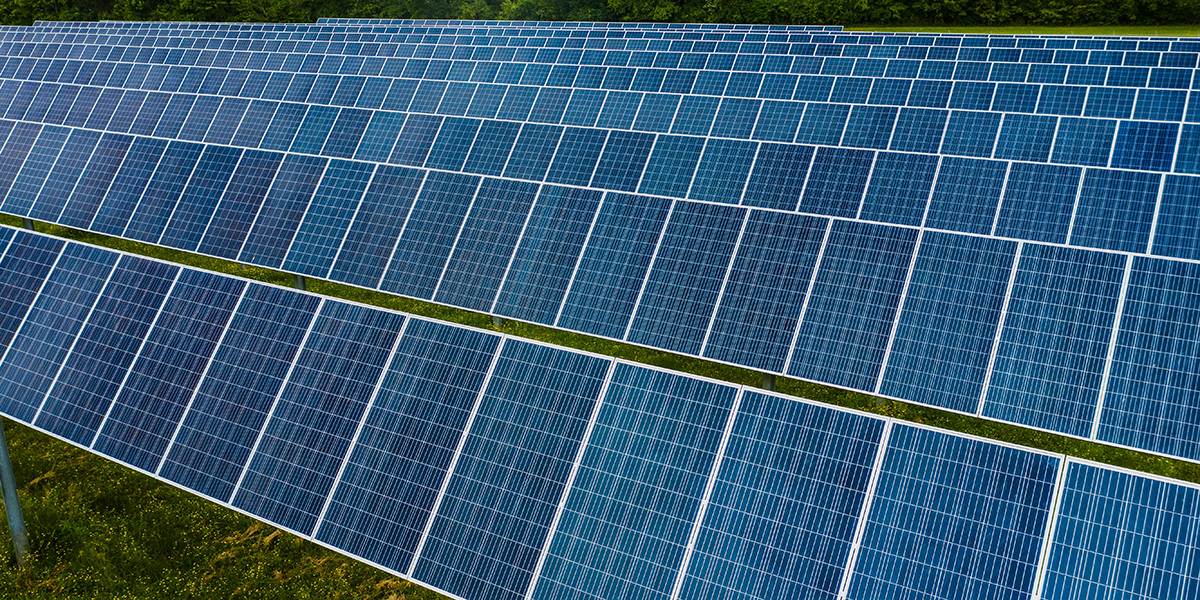





What is the impact of microcracking and other degradation of solar panels in overall loss scenarios?
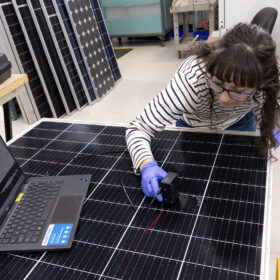
Microcracking has historically contributed to notable solar PV losses, particularly during events back in 2016 and 2018. However, advancements in panel design – such as the use of more busbars and improved cell architecture – have significantly reduced the impact of microcracking on overall performance. Research from external sources, supported by FM’s own testing, indicates that while microcracks may occur, they typically result in minimal power loss and only modest long-term degradation.
FM’s coverage philosophy centers on restoring the client’s production capability to its pre-event level. In that context, microcracking represents a small component of the overall loss scenario and typically does not drive major recovery costs.
Do thicker glass or early warning systems reduce insurance costs substantially or are reductions in insurance cost outweighed by higher OPEX or CAPEX?
Risk reduction measures like thicker glass and early warning systems are certainly viewed favorably during FM’s underwriting process. While they may not lead to dramatic reductions in insurance premiums on their own, they can contribute to incremental improvements in rates, deductibles, and coverage terms, especially when part of a broader resilient design strategy.
FM assesses risk holistically, considering multiple factors including location-specific hazards, equipment durability, site access, and operational protocols. These measures help lower the overall risk profile, which can support more favorable insurance outcomes.
However, it’s important to recognize that the financial benefits from insurance may not always fully offset the increased CAPEX or OPEX associated with these technologies. That said, when these measures are integrated into a well-designed, resilient project, FM is more comfortable offering broader coverage and higher limits. We also work to help project stakeholders understand how thoughtful risk mitigation can justify lower coverage requirements.
What is the best way for commercial PV EPCs to work with FM?
The best way for engineering, procurement, and construction firms to work with FM is by engaging during the planning and design phase of a commercial solar project.
Importantly, FM only provides coverage for the construction phase of a solar project when it is also engaged to insure the operational risk post-construction. This ensures continuity in risk management and alignment of resilience standards throughout the asset’s lifecycle. EPCs working on projects where the client intends to maintain FM coverage after commissioning will find FM to be a proactive and supportive partner in building robust, insurable infrastructure.
In September 2025, pv magazine hosted a webinar with FM exploring common misconceptions in renewable energy. View the webinar here.
The questions in this article were submitted by attendees during FM’s webinar with pv magazine. FM experts provided the responses.
This content is protected by copyright and may not be reused. If you want to cooperate with us and would like to reuse some of our content, please contact: editors@pv-magazine.com.

By submitting this form you agree to pv magazine using your data for the purposes of publishing your comment.
Your personal data will only be disclosed or otherwise transmitted to third parties for the purposes of spam filtering or if this is necessary for technical maintenance of the website. Any other transfer to third parties will not take place unless this is justified on the basis of applicable data protection regulations or if pv magazine is legally obliged to do so.
You may revoke this consent at any time with effect for the future, in which case your personal data will be deleted immediately. Otherwise, your data will be deleted if pv magazine has processed your request or the purpose of data storage is fulfilled.
Further information on data privacy can be found in our Data Protection Policy.