U.S. energy storage market set for take off
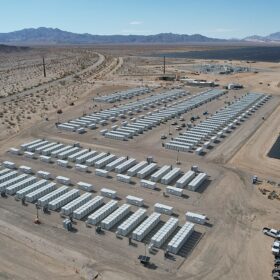
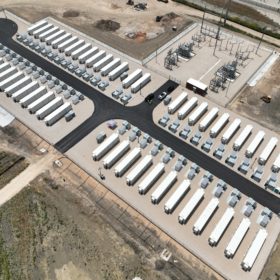
The U.S. Inflation Reduction Act (IRA) is set to ignite the energy storage market in 2024, as analysts expect up to 65 GW/260 GWh of projects through 2026. The outlook is for battery project sizes to increase as the pipeline takes shape.
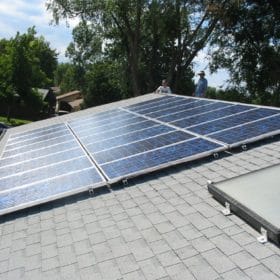
California’s new net metering policy brings batteries into the forefront
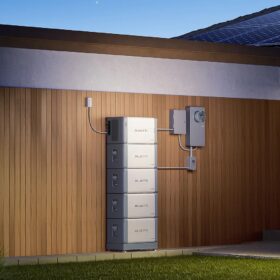
While NEM 3.0 is expected is to slash the rate paid for solar energy sold back to the grid, batteries can help maintain the value of solar. The next wave of clean technology adoption, however, must seek non-lithium batteries and take advantage of new safe and affordable chemistries.
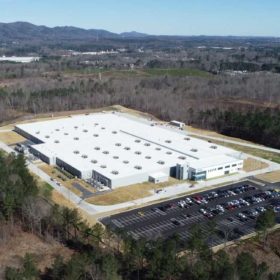
IRA spurs 101k clean energy jobs in first six months
As of January 31, 2023, there are more than 90 new manufacturing facilities and renewable energy projects developed in rural towns and large cities, representing an aggregate of $89.5 billion of new investments into the clean energy market, according to a Climate Power report.
Sunrise brief: State of the Union celebrates investment in clean energy
Also on the rise: Linton Crystal to move PV equipment manufacturing back to the U.S. EV battery has 50% more energy density than traditional lithium-ion, 10-minute charge. And more.

Biden celebrates 100,000 jobs and near half-trillion dollar investment in clean energy
More than $60 billion in private investments in clean energy have been announced since the landmark Inflation Reduction Act was passed in August. The Act includes $370 billion in climate and energy spending.
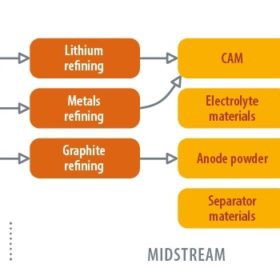
Battery supply chain state of health
As the U.S. Uyghur Forced Labor Prevention Act demonstrated, companies preparing to spend big on batteries are at risk of being blindsided by supply-chain-related legislation. Here are some tips on how US developers can anticipate policy curveballs.

Linton Crystal to move PV equipment manufacturing back to the U.S.
Linton said its initial investment of $10M will be used to add a new facility, establish a demonstration line, and build 1 to 2 gigawatts of production capacity, all by the end of year one.
50 states of solar incentives: Ohio
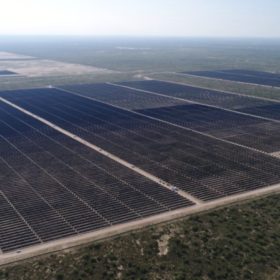
Solar currently provides less than 1% of Ohio’s electrical needs. That is expected to change, however, as nearly 8.8 GW of mostly utility-scale solar is expected to be installed over the next five years, making Ohio one of the top five solar states in the country.
2023 will see the most utility-scale solar added in a single year
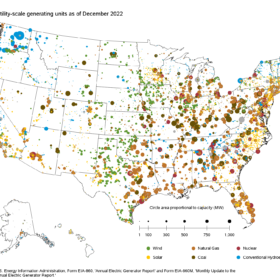
U.S. solar market to add 29.1 GW and storage to add 9.4 GW of new capacity in 2023, according to the U.S. Energy Information Administration. If that new capacity comes online as planned, 2023 will have the most new utility solar capacity added in one year, more than doubling the current record of 13.4 GW from 2021.
Sunrise brief: Duke rooftop solar program sunsets, corporate solar rises
Also on the rise: Minnesota senate passes 100% clean energy standard. Annual investment in low-carbon energy transition exceeds $1 trillion. And more.