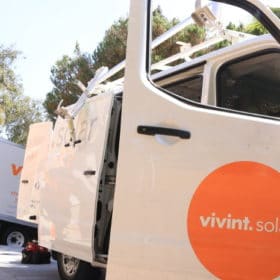
Vivint beats on revenue — but losses widen in Q1 as residential solar hunkers down
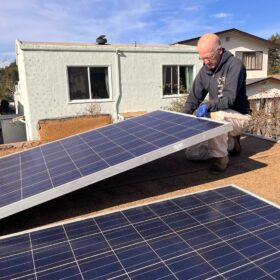
Vivint beat estimates with $91.2 million in revenue in Q1, though, like with most other third-party solar companies, that was outweighed by $51.9 million in losses from operations. Installation figures fell during the quarter and are only expected to fall further, as Covid-19 runs its course on residential solar.

Form Energy claims its aqueous air battery provides 150-hour duration storage
The holy grail of energy storage has always been low-cost and long-duration. Form Energy intends on deploying a 1 MW/150 MWh system with a Minnesota utility before 2023, an unprecedented energy storage duration if successful.
SunPower had a ‘solid’ Q1, finds hope for May and June after a difficult April
It’s solar earnings season and there’s a clear, non-surprising theme: The first quarter was strong and largely unimpacted by the pandemic, but the second quarter and 2020 as a whole is uncertain.

Morning Brief: Financing for a 200 MW project, EDP agrees to a power contract
Also in the brief: solar on schools in Virginia and a Hawaiian microgrid.

1 MW battery system meets the challenge of supplying power to a remote Alaskan community
Cordova, Alaska, a small fishing community in a remote part of Prince William Sound, has been able to find long periods of fossil fuel independence thanks to a new battery system developed by Saft.
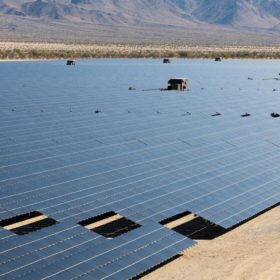
First Solar earnings: strong Q1 and an uncertain 2020 guidance — like most every solar firm
“Despite the uncertain economic environment, demand for our Series 6 product remains strong, as evidenced by the 1.1 GWDC of net-bookings since our prior earnings call.”

Solar canopies can put PV panels in some new and interesting places
A major advantage of this design is the ability to string cables over a longer distance without the support needed in traditional racking approaches.
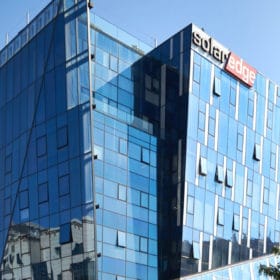
SolarEdge reports record revenue, yet Covid looms over residential PV for the next two quarters
Even though the U.S. market is showing some signs of stabilizing, the decline in installation rates in April alone was 33%.

Morning Brief: massive PacifiCorp renewable energy RFP excites developers, China’s energy storage boom falters
Also in the brief: First Solar will supply Geronimo Energy with 415 MW of Series 6 modules, a D.C. circuit court hears about a vital FERC energy storage order, the Midwest Solar Expo will not be postponed and more.

Pollinator-friendly solar: a feel-good way to make projects cleaner and greener
Opposition to solar project siting can be turned into broad support by designing projects with “pollinator-friendly” landscaping — a trend gaining momentum across the country.