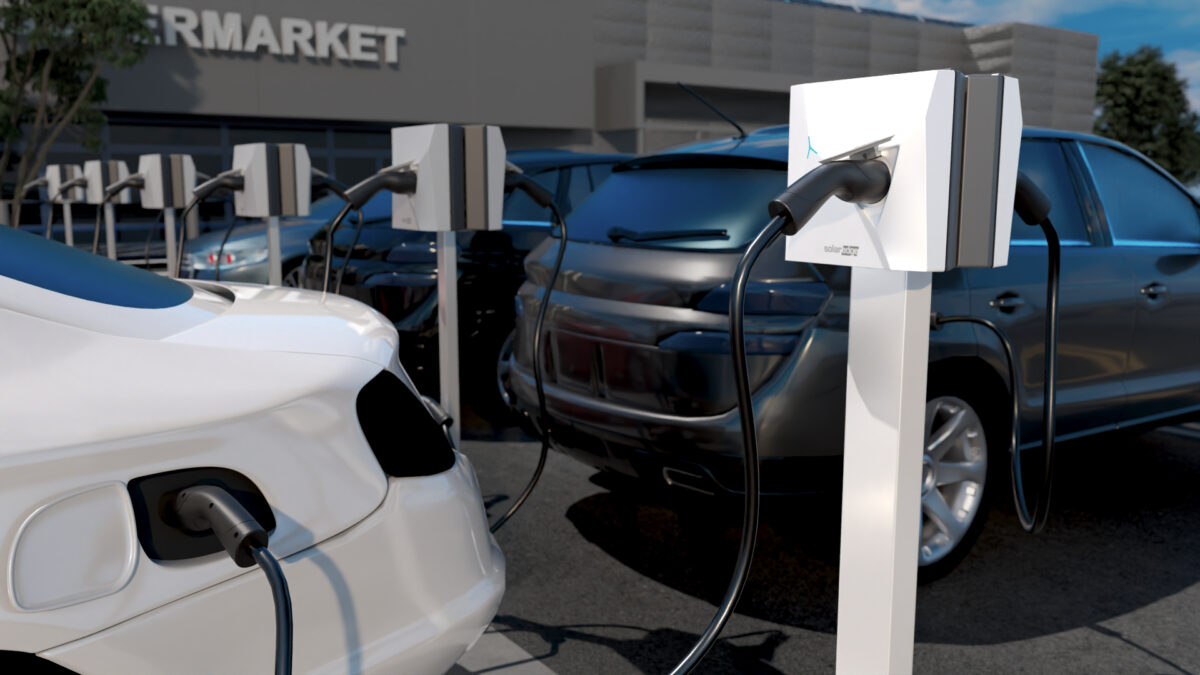





A Lawrence Berkeley National Laboratory study has estimated that six types of electricity-using equipment responding to dynamic electricity rates could reduce peak electricity demand in California by up to 8.75 GW by 2030.
That estimate of technical potential would be reached only if all customers opted in to dynamic pricing and purchased price-responsive equipment, the study says. But customers could be motivated to make those changes because bill savings from switching to price-responsive electric vehicle chargers and smart thermostats, for example, would generally far exceed the equipment costs.
Price-responsive equipment shifts some electricity use to times when prices are low, such as when solar generation is high.
As customers using the six types of price-responsive equipment began to shift their energy use in response to price signals, lowering their electric bills, they would also reshape the system’s electricity load, “creating a more renewable-friendly net load shape” and lowering overall emissions, the study found.
California has required the state’s large utilities and community choice aggregators to offer dynamic electricity pricing options to customers by 2027.
The Solar Energy Industries Association has said that dynamic pricing of electricity in California would reduce renewable curtailment and could in the long term reduce costs for all customers.
Cost savings would come largely from lowering peak demand, reducing the need for costly grid investments designed to serve peak load.
California aims to reach 7 GW of load flexibility by combining 3 GW of price-responsive demand from appliances with 4 GW of traditional demand response, in which some customers “drop load” during the 100 highest-demand hours of the year.
Economic potential
Customer savings on electric bills would greatly exceed equipment costs for price-responsive electric vehicle charging and water heating, under all three dynamic pricing scenarios considered. The same would be true for space cooling and commercial space heating under two of the scenarios.
The three scenarios assumed that for a customer who opted in to dynamic pricing of electricity, dynamic prices would account for either 20%, 50% or 100% of their bill. The scenarios were termed mild, medium and full dynamic pricing. The “full” scenario would yield the greatest demand for mid-day solar power.
Researchers said they effectively assumed that devices that have historically offered the ability for automated demand response “will be enhanced to provide price responsive capabilities” by 2030.
The study also considered payback periods. Under full dynamic pricing, the payback period for price-responsive equipment would be less than three years for nearly all end uses and customer classes.
But under medium or mild dynamic pricing, commercial cooling would have a payback period exceeding three years for many customers. “This distinction is critical,” the study says, because historically, commercial and industrial customers have been the most active participants in demand response programs.
Renewables and batteries
New system load shapes resulting from flexible, price-responsive demand “could enable substantial increases in renewables integration,” the study says, adding that less battery energy storage would be needed in a system with dynamic pricing.
The study estimates customer revenue per kW for enrolling a battery system in dynamic pricing, but notes that a customer who purchased a battery system for reliability may not choose to dispatch on the grid peak day, “as that is the precise day that a customer might be worried about an outage.”
Flexible demand appliance standards
A California Energy Commission staff member described in 2024 the commission’s tentative sequence for developing flexible demand appliance standards, for equipment that can respond to electricity price signals, saying the commission was developing a standard for electric storage water heaters and would then develop a standard for EV chargers.
The CEC issued a flexible demand appliance standard for swimming pool controls in 2023. Since then, manufacturers of swimming pool controls have developed 73 models that meet the flexible demand standard.
The Berkeley Lab report is titled “California Price Response Potential Study.” A May 27 webinar on the study will be recorded and made available at a later time.
This content is protected by copyright and may not be reused. If you want to cooperate with us and would like to reuse some of our content, please contact: editors@pv-magazine.com.


By submitting this form you agree to pv magazine using your data for the purposes of publishing your comment.
Your personal data will only be disclosed or otherwise transmitted to third parties for the purposes of spam filtering or if this is necessary for technical maintenance of the website. Any other transfer to third parties will not take place unless this is justified on the basis of applicable data protection regulations or if pv magazine is legally obliged to do so.
You may revoke this consent at any time with effect for the future, in which case your personal data will be deleted immediately. Otherwise, your data will be deleted if pv magazine has processed your request or the purpose of data storage is fulfilled.
Further information on data privacy can be found in our Data Protection Policy.