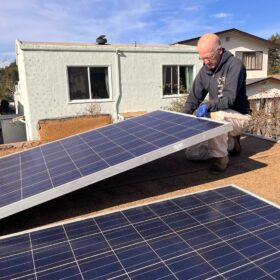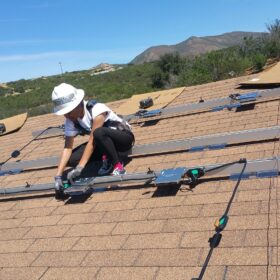
HelioVolta report outlines fire risk from module-level rapid shutdown devices
The report authors contend such devices — which are designed to protect firefighters while they work around rooftop solar installations — actually add significant risk by increasing installation complexity and multiplying potential points of failure by a factor of two to three.

What insurers want battery developers to understand right now
There’s progress in battery energy storage system (BESS) risk maturity, but insurers are warning of supply chain problems, while OEMs are tightening their treatment of warranties.
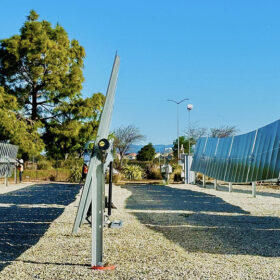
Hail damage to solar projects: 1% of filed claims, but over 50% of total losses
Hail damage has become a real headache for project developers in the United States, where growing deployment has increased exposure to weather-related risk. As project owners seek to limit the impact of hail on their bottom line, innovations in tracking systems and insurance can help.
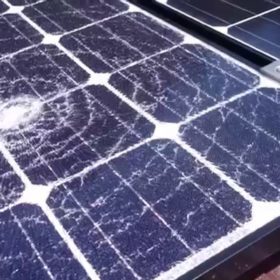
kWh Analytics launches excess natural catastrophe insurance for solar projects
The new coverage will provide up to $20 million in additional expanded capacity, covering damage from severe storms in non-coastal regions.

Solar companies adapt in changing times
pv magazine USA spoke with Solar Insure’s Dean Chiaravallotti who shared his thoughts on ways in which solar businesses can adapt, innovate and be strategic.
Solar risks: Hail, AI error, wildfire, and more
Hail damage remains a top risk to large-scale solar assets, according to an annual report from kWh Analytics.
Addressing hail damage risks in utility-scale solar
Hail damage represents 2% of filed solar project insurance claims but 50% of the cost, said VDE.

Solar Insure introduces 30-year battery warranty for residential solar
Installers can now offer their customers 30 years of protection plus a battery replacement between years 11 to 30 if capacity falls below 50%.
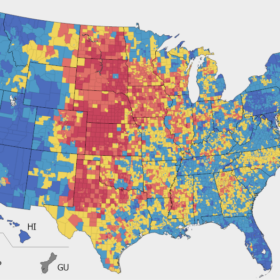
Hail-prone Texas solar project cuts insurance costs 72%
A case study by kWh Analytics demonstrated the value of building a resilient, weather-hardened solar facility.
Sunrise brief: Hail risk may bring financial instability to solar projects
Also on the rise: The evolving art and science of agrivoltaics. Renewables “cheaper and faster” than methane, says nation’s largest utility. And more.