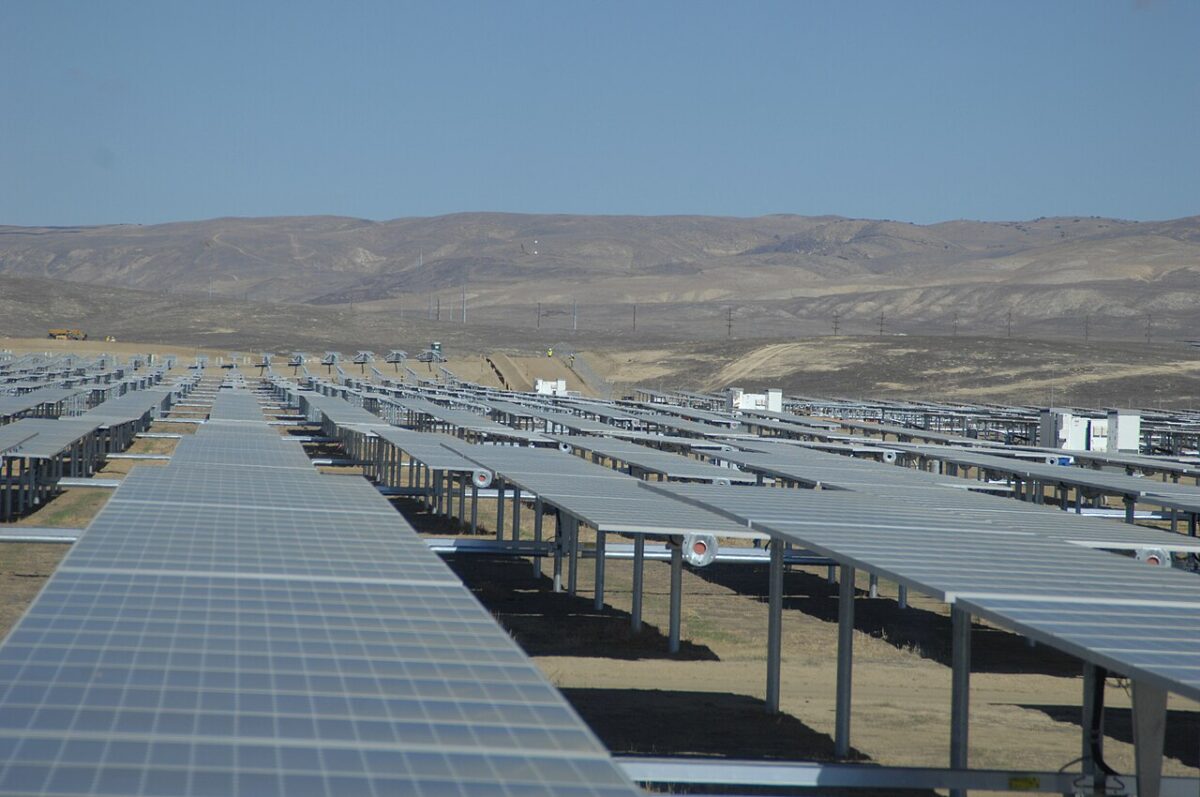





The California Energy Commission has approved the 300 MW Soda Mountain Solar Project, marking the first time a major solar development has successfully used a state-level “opt-in” procedure to bypass local opposition to an energy project.
The decision provides a roadmap for utility-scale developers to overcome local land-use restrictions that have historically stalled the project and others like it.
Located on 2,670 acres of federal land in San Bernardino County, the project includes a 1,200 MWh battery energy storage system.
While the Bureau of Land Management manages the site, the project remained inactive for a decade after San Bernardino County supervisors voted to block it in 2016. Local officials cited the disruption of desert bighorn sheep migration corridors as the reason for the denial.
The developer broke the stalemate by utilizing Assembly Bill 205. The legislation allows clean energy projects to opt-in to a California Energy Commission review, shifting lead regulatory authority from county supervisors to state officials in Sacramento.
To address the environmental concerns that led to the original 2016 rejection, state staff designed an alternative layout that incorporates specific migration buffers for wildlife.

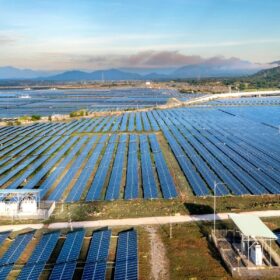
Image: Rhalden at English Wikipedia [Public domain], via Wikimedia Commons.
This approval acts as a benchmark for the industry. The state previously denied an opt-in application for a wind project in 2025, which raised questions about whether the AB 205 pathway was a viable solution for large-scale renewables facing local opposition.
The Soda Mountain certification confirms that the state is prepared to use its authority to prioritize grid reliability and 2030 energy mandates over local zoning preferences.
The project now moves toward final federal review. For the broader California market, the case marks a shift in the regulatory landscape, establishing a state-controlled fast-track for projects that meet specific environmental and labor criteria.
“The Opt-In Certification program is designed to accelerate the development of critical clean energy infrastructure without compromising California’s rigorous environmental protections or commitment to meaningful community engagement,” said CEC Chair David Hochschild. “Today’s approval shows we can move projects forward with urgency and efficiency while preserving the values that matter most to Californians.”
This content is protected by copyright and may not be reused. If you want to cooperate with us and would like to reuse some of our content, please contact: editors@pv-magazine.com.



By submitting this form you agree to pv magazine using your data for the purposes of publishing your comment.
Your personal data will only be disclosed or otherwise transmitted to third parties for the purposes of spam filtering or if this is necessary for technical maintenance of the website. Any other transfer to third parties will not take place unless this is justified on the basis of applicable data protection regulations or if pv magazine is legally obliged to do so.
You may revoke this consent at any time with effect for the future, in which case your personal data will be deleted immediately. Otherwise, your data will be deleted if pv magazine has processed your request or the purpose of data storage is fulfilled.
Further information on data privacy can be found in our Data Protection Policy.