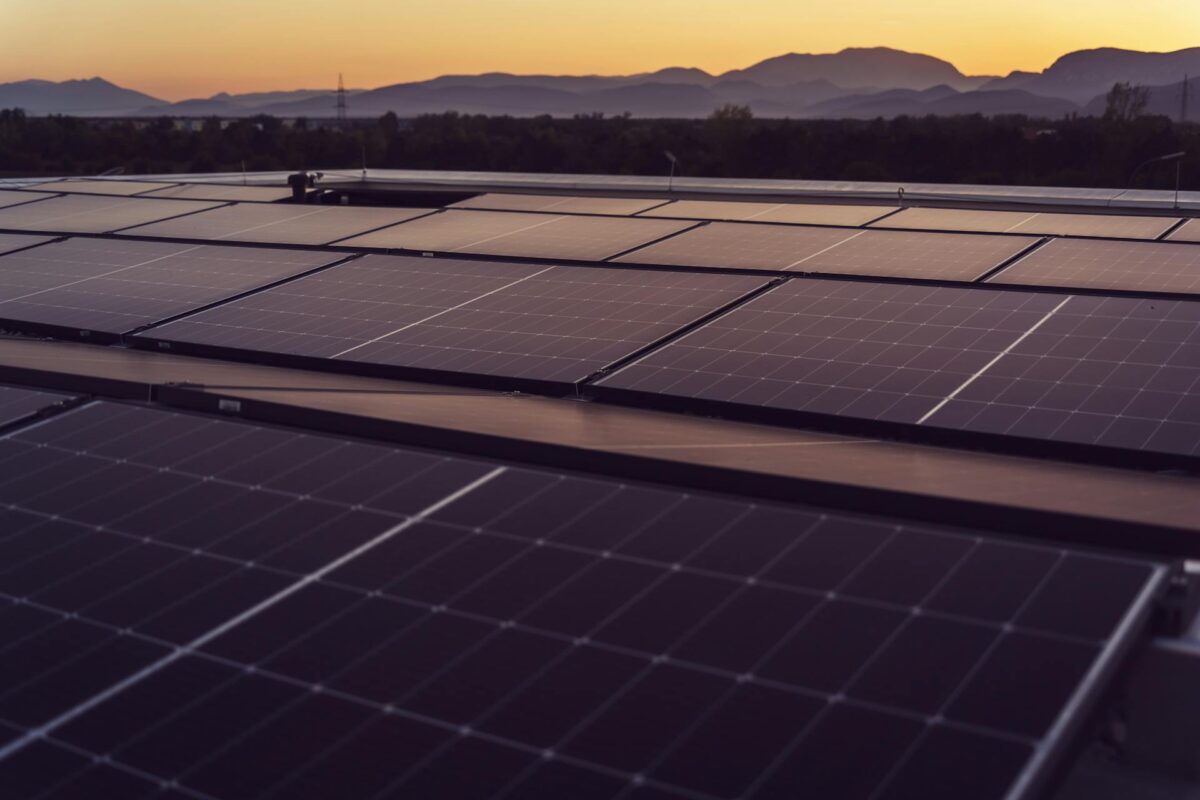





Getting a solar project to pencil in 2026 is one thing. Bringing it online is another.
A growing number of technically and economically viable solar and storage projects are wavering or falling before they can be brought online, as tightening federal requirements from last year’s One Big Beautiful Bill Act (OBBBA) constrain what’s already a complex development landscape.
Foreign entity of concern (FEOC) concerns, rapidly shrinking timelines to access tax credits, domestic content regulations and interconnection queues are leading to an increasingly large number of projects languishing before receiving their Notices to Proceed (NTP), which are required to begin installation. The last 6-12 months in particular have been difficult for distributed generation projects.
“Developers are being asked to clear more hurdles simultaneously while capital providers are underwriting more selectively,” explained Thomas Byrne, the CEO and co-founder of independent power producer CleanCapital. He told pv magazine USA that the combination of near-term deadlines, strict compliance and sourcing requirements and a fragmented, operationally intensive market creates a sort of layering effect. “Many projects cannot advance quickly enough to meet the new deadlines and their owners lack the capital to extend that timeline with safe harboring methods.”
Still, he noted that financing options aren’t necessarily becoming more or less flexible or conservative, just more selective. Significant amounts of “dry powder” are available for new projects, but Byrne explained that it’s concentrating around developers who have proven their ability to bring projects from conception to completion and to keep them successfully operating.
“The current market is rewarding those developers that can step in where a certain project might run out of time or money and carry the asset across the finish line,” he added. That’s a big ask. It’s largely why assets that are already in operation tend to attract the broadest, cheapest capital: they’re less risky. Pre-NTP projects, on the other hand, require capital providers to underwrite and execute a transition by covering the whole process from procurement, compliance and sourcing to timing and execution.
Acquiring an operating asset is more about the long-term cash flow, quality of the contract and underwriting the existing performance. The capabilities required are very different, Byre pointed out. For late-stage pre-NTP assets, “you need an execution platform, not just an investment thesis.”
Still, he also noted that buyer appetite is also starting to move earlier in the project lifecycle, though it’s largely due to practical factors like risk management and relative scarcity of finished projects in maturing markets.
“Buyers recognize that if they wait until a project is fully de-risked and construction ready, they are paying for that certainty,” Byrne said. While he doesn’t see anything wrong with that approach, per se, “competition for high-quality late-stage assets remains strong and the returns tend to compress accordingly.”
Acquiring projects earlier can generate better outcomes for buyers that have the requisite capital and development expertise to bring a project to NTP and beyond. Byrne explained that this can give buyers more control over the decision-making process and potentially influence an asset’s long-term quality.
One example? Material sourcing in the wake of the OBBBA. Projects with well-documented, FEOC-compliant supply chains “should continue” attracting more interest and better financing terms than those with unresolved sourcing questions or eligibility ambiguity. Still, Byrne cautioned that this doesn’t mean that non-compliant assets lack market value.
“The buyer universe narrows dramatically and the burden of proof rises,” he noted. Still, in his eyes, that growing scrutiny isn’t necessarily a bad thing. It says more about the structure of the market itself than about an individual deal falling through.
“As markets scale, they tend to become more segmented. Not every project that enters the pipeline will be financeable, buildable, and durable,” Byrne said. “That creates friction, but it also creates a healthier long-term foundation for the solar industry [as] development quality, supply chain strategy, and construction readiness matter more than they used to. That is a sign of maturation, not a decline.”
This content is protected by copyright and may not be reused. If you want to cooperate with us and would like to reuse some of our content, please contact: editors@pv-magazine.com.



By submitting this form you agree to pv magazine using your data for the purposes of publishing your comment.
Your personal data will only be disclosed or otherwise transmitted to third parties for the purposes of spam filtering or if this is necessary for technical maintenance of the website. Any other transfer to third parties will not take place unless this is justified on the basis of applicable data protection regulations or if pv magazine is legally obliged to do so.
You may revoke this consent at any time with effect for the future, in which case your personal data will be deleted immediately. Otherwise, your data will be deleted if pv magazine has processed your request or the purpose of data storage is fulfilled.
Further information on data privacy can be found in our Data Protection Policy.