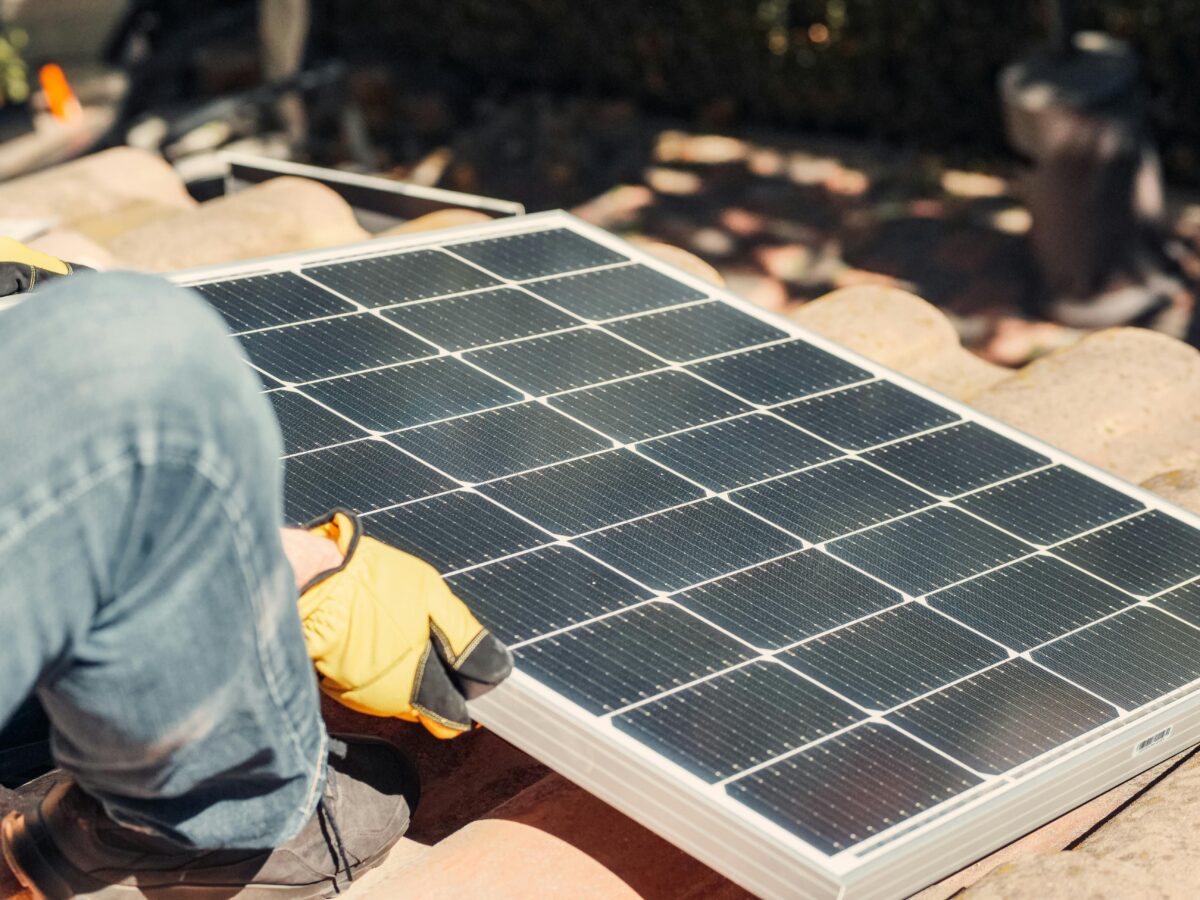





The U.S. residential solar market is undergoing a major shift in how systems are financed. Homeowners can no longer claim the Section 25D tax credit for solar. This has pushed the industry toward third-party ownership models.
The prepaid lease is now a main tool for installers to keep costs low for their customers. The model allows solar companies to use commercial tax incentives that are not available to individuals.
The Section 48 commercial Investment Tax Credit (ITC) remains available even though the residential credit has ended. In a prepaid lease, a solar provider or financier owns the system. This allows the provider to claim the 30% commercial credit. Installers apply this credit as an upfront discount to the homeowner.
New programs like EnergyLock from All Energy Solar and Propel from SolSource use this structure. The programs sometimes also include an extra 10% bonus credit for using domestic content. This happens when installers use U.S. manufactured hardware. The total discount can reach 40% of the system cost when these requirements are met.
The prepaid lease functions differently than a standard monthly lease. The homeowner pays for 25 years of electricity in one payment at the start. Since the direct residential credit is gone, this prepaid amount is typically lower than the current cash purchase price for homeowners.
Under typical terms of a prepaid lease, the provider manages all maintenance for the first six or seven years. This period allows the provider to meet IRS requirements for the tax credit. After this time, the homeowner can choose to buy out the system for a small fee. This gives the homeowner full ownership for the rest of the system’s life.
The move toward prepaid leases is a response to the end of direct tax credits. It simplifies the sales process for installers. Customers do not need to worry about their own tax liability. They receive the federal incentive as an immediate price reduction.
This model also reduces risk for the homeowner as the solar company is responsible for repairs during the initial service term.
“It allows our customers to benefit from still available commercial solar incentives while enjoying long-term energy independence on their own roofs,” said Michael Allen, chief executive officer and co-founder of All Energy Solar.
Ohm Analytics said on a Roth Capital Partners webinar that prepaid offerings may ramp to an estimated 10% of U.S. market share exiting the fourth quarter of 2026, shifting the financing mix toward 60% to 65% third-party owned products.
This content is protected by copyright and may not be reused. If you want to cooperate with us and would like to reuse some of our content, please contact: editors@pv-magazine.com.






By submitting this form you agree to pv magazine using your data for the purposes of publishing your comment.
Your personal data will only be disclosed or otherwise transmitted to third parties for the purposes of spam filtering or if this is necessary for technical maintenance of the website. Any other transfer to third parties will not take place unless this is justified on the basis of applicable data protection regulations or if pv magazine is legally obliged to do so.
You may revoke this consent at any time with effect for the future, in which case your personal data will be deleted immediately. Otherwise, your data will be deleted if pv magazine has processed your request or the purpose of data storage is fulfilled.
Further information on data privacy can be found in our Data Protection Policy.