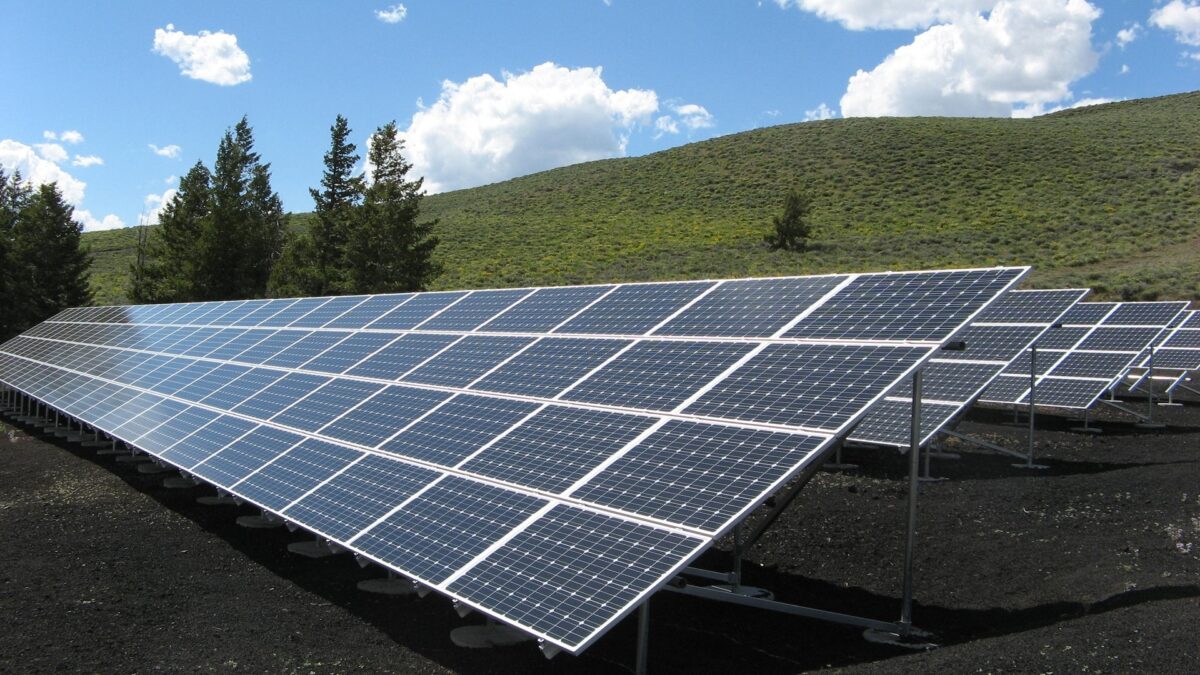





Across 19 states, researchers found that among the large-scale solar and wind projects seeking a permit from a state-based authority that reached a permit outcome, 90% received permit approval, mostly within about a year of applying for a permit.
The researchers, at Berkeley Lab and the University of Massachusetts Amherst, found 41 states in which a state-based authority has jurisdiction for some or all large–scale energy facilities. Of those, 19 states made permitting data available through a state website or database.
For those 19 states, the researchers analyzed permitting information for proposed large-scale facilities with a permit application date from 2018-2024 for solar projects, and from 2015-2024 for wind projects. They also considered any additional projects with a permit decision date from 2021-2024.
Of the 460 projects analyzed, 365 reached an outcome, while permit review was still pending for 95 projects. Of the 365 projects with an outcome, 90% were approved. The other 10% were either withdrawn by the developer, denied a permit, terminated by the permitting authority before issuing a decision, or in one case, a previously approved permit was revoked.
The researchers concluded that for the 19 states evaluated, permitting processes partially or fully adjudicated at the state level “are not preventing new potential energy from entering the grid.”
They noted that “it is well documented” that obtaining an agreement to connect to the transmission system, known as interconnection, has both wait times and costs that “are substantial and increasing in recent years.”
Of the 19 states, only six had at least 20 projects with a known outcome. Of those, Kentucky and Mississippi issued a permit or reached another outcome in an average of about seven months, possibly because applicants “only apply in these states after already having brought their projects into compliance with local regulations.”
Maryland, Minnesota, New York and Ohio reached an outcome in an average of about 15 months. The first three of those states “typically preempt local authority,” such that developers “may have proposed more projects with greater potential impacts, with the hope that the state authority may be more likely to grant approval.”
The other 13 states included in the study were California, Connecticut, Iowa, Nevada, New Hampshire, North Dakota, Oregon, South Carolina, South Dakota, Washington, West Virginia, Wisconsin, and Wyoming.
To analyze the permitting data, the researchers said they needed to use a relational database structure because the permitting data “exhibited complex hierarchical relationships, with individual projects often having multiple permit applications, decision stages, and regulatory interactions that could not be adequately captured in a flat data structure.”
A similar analysis of local-level permitting could be an important focus of future work, the researchers said, but would be “severely limited by data availability and accessibility.”
The study, published in the journal Frontiers in Sustainable Energy Policy, is titled “Outcomes and timelines for state based energy facility permitting in the United States.”
This content is protected by copyright and may not be reused. If you want to cooperate with us and would like to reuse some of our content, please contact: editors@pv-magazine.com.




By submitting this form you agree to pv magazine using your data for the purposes of publishing your comment.
Your personal data will only be disclosed or otherwise transmitted to third parties for the purposes of spam filtering or if this is necessary for technical maintenance of the website. Any other transfer to third parties will not take place unless this is justified on the basis of applicable data protection regulations or if pv magazine is legally obliged to do so.
You may revoke this consent at any time with effect for the future, in which case your personal data will be deleted immediately. Otherwise, your data will be deleted if pv magazine has processed your request or the purpose of data storage is fulfilled.
Further information on data privacy can be found in our Data Protection Policy.