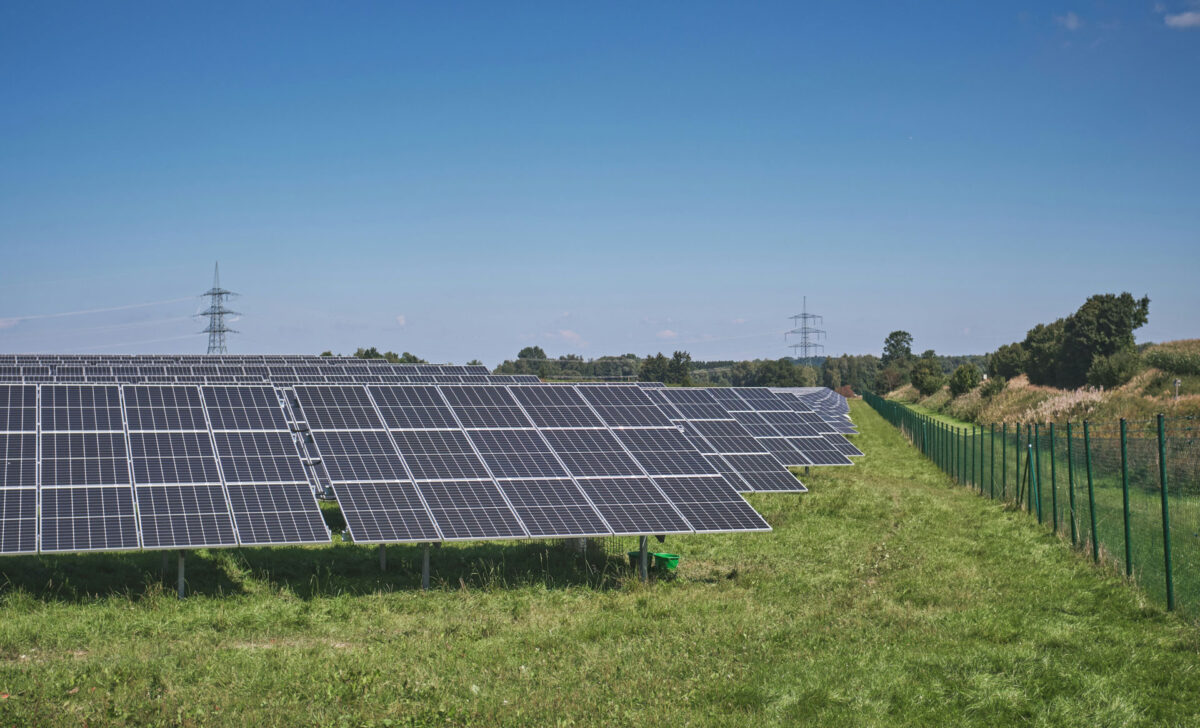





LG Energy Solution Vertech and Qcells have announced a new partnership to deploy 5 GWh of battery energy storage systems (BESS) across the United States.
The agreement will see LG Energy Solution Vertech supply lithium iron phosphate (LFP) battery systems for Qcells’ utility-scale engineering, procurement and construction (EPC) arm, with projects scheduled between 2028 and 2030.
The deal reflects a continued focus on domestic supply chains in the U.S. renewable energy market. The battery cells for the installations will be manufactured at LG Energy Solution facilities in Michigan and Arizona and deployed alongside Qcells solar modules produced at the company’s Georgia manufacturing hub.
“Qcells is proud to partner with LG Energy Solution on a project that shows what’s possible when energy development supports U.S. manufacturing,” said Chris Hodrick, CEO of Qcells EPC. “This collaboration reflects our shared commitment to building clean energy the right way: creating American jobs, strengthening supply chains and delivering reliable, affordable power for communities across the country.”
This is the second significant agreement between the two companies in recent years. In May 2024, Qcells and LG Energy Solution Vertech signed a 4.8 GWh supply deal.
A growing storage landscape
The announcement arrives amidst a record-breaking period for the U.S. energy storage market. Reports from Wood Mackenzie and the American Clean Power Association (ACP) noted that the U.S. installed more than 35.4 GWh of energy storage in the first nine months of 2025 alone, surpassing the total installed in all of 2024.
In late 2025, the U.S. Energy Information Administration (EIA) reported that the total capacity served by energy storage installations in the country had increased by nearly 14 GW in the preceding 12 months and forecast the installation of an additional 22 GW of capacity in the following 12-month period.
Complementary vertical strategies
Both Qcells EPC and LG Energy Solution Vertech operate as subsidiaries of larger manufacturing companies that supply the products they deliver to the market. The vertically-integrated strategy appears to be paying off well.
Qcells, itself a subsidiary of Korean giant Hanwha Solutions, has become a dominant player in the U.S. solar market, famously securing a massive 12 GW solar module supply agreement with Microsoft in 2024.
The company offers manufactured products, project development and installation services for the residential, commercial and utility-scale sectors, as well as installation financing through its Enfin lending arm. The company says its annual solar panel production capacity in the U.S. will reach 8.4 gigawatts when the new Cartersville facility is complete.
LG Energy Solution, a global battery supplier, manufactures products across multiple U.S. sites for the electric vehicle, energy storage, mobility and IT device sectors. The company’s Vertech arm was formed in 2022 following its acquisition of NEC Energy Solutions and operates as a system integrator.
LG Energy Solution maintains a major manufacturing partnership with General Motors, but a deal to supply batteries to Ford Motor Company fell through in late 2025 when the latter company discontinued its F-150 Lightning EV truck.
This content is protected by copyright and may not be reused. If you want to cooperate with us and would like to reuse some of our content, please contact: editors@pv-magazine.com.


looks like most installers have pure profit motive, at age 72 i’ve 2 companies explanation that i needed to spend $60-67 thousand on solar I laughed the out of my home.y annual electric bill is 1200 ! what is the commission rate 75-80 % That i will not pay! i built a small system 8 panels 2 pure sygn wave keeps my refrigerators going an tv & minimum lights 4 batteries i spent about $2200 I an happy.