Silfab and Titan Solar extend partnership
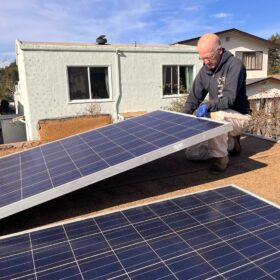
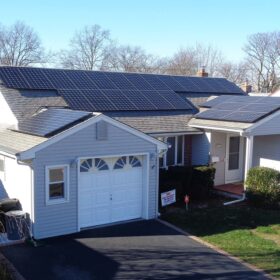
The Canadian solar module manufacturer Silfab and the Arizona-based national installer Titan solar have already installed modules across 18 states in partnership.
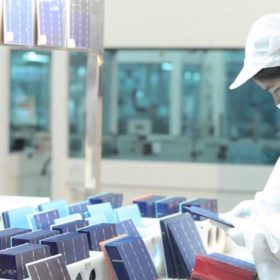
Domestic manufacture of solar modules, trackers, inverters incentivized in Build Back Better
In a draft of the Build Back Better infrastructure plan released by the Senate Finance Committee, domestic manufacturing of solar PV and balance-of-system components would qualify for incentives.

Investing in the long-term health of the U.S. solar industry
Extending section 201 tariffs for another four years and increasing the quota on imported cells is clearly in the long-term best interest of all downstream participants.

SEIA fires back on tariffs, calls A-SMACC’s case ‘baseless’
In a 138-page rebuttal to a petition for anti-dumping tariffs, the trade group insisted that the solar industry would miss out on 46,000 jobs by 2023 if tariffs were put in place.
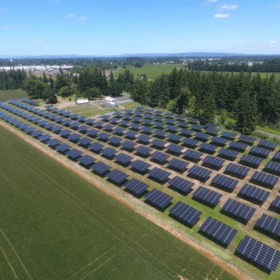
Sunrise brief: DOE aims to expand community solar by 700% in four years
Also on the rise: Under new ownership, a Norwegian module maker could add 1 GW of U.S. capacity; Sunrun add $1 billion to a finance facility; and a natural gas-friendly renewable energy bill passes in North Carolina.

Meyer Burger: Coming to America
Meyer Burger is one of the world’s leading research and implementation companies developing new solar power technology.
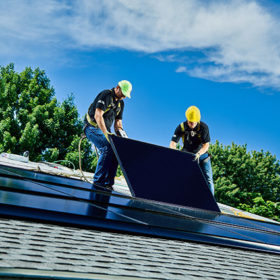
GAF Energy completes work on rooftop solar manufacturing facility
The roof-integrated solar solutions provider has begun moving into its new 112,000 square-foot San Jose, California, facility.
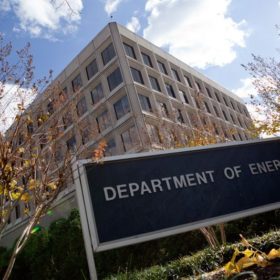
DOE grants aim to drive down inverter costs, advance PV fire prevention tech
Several of the projects also aim for lower costs for PV module materials or PV racking, as well as for lower defect rates on module assembly lines.

Philadelphia Solar plans to build 1 GW module plant in the U.S.
Site negotiations are underway for the facility, which would produce monocrystalline facial and bifacial modules for C&I and utility markets in the U.S. and abroad.
By addressing heat, this serial inventor just may change the entire solar value chain
Kent Kernahan set out to take the heat out of solar cells. He and his partners may end up bringing solar manufacturing jobs to disadvantaged communities and making low-cost rooftop solar widely available.