Transitioning Silicon Valley residential PV to solar-plus-storage: optimizers or microinverters?
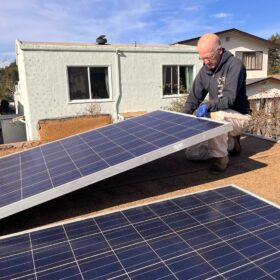
Barry Cinnamon, a Silicon Valley solar installer, details the transition to energy storage, profiles early solar adopters and notes the challenges of getting to 200-amp residential service.
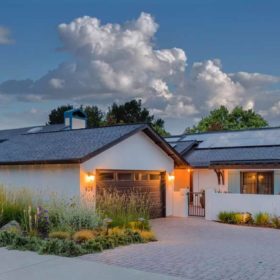
Installing residential solar and storage in Silicon Valley
“I kind of compliment PG&E because they’re our best marketing department when it comes to battery storage,” says Barry Cinnamon of Cinnamon Energy Systems in the first part of our interview.
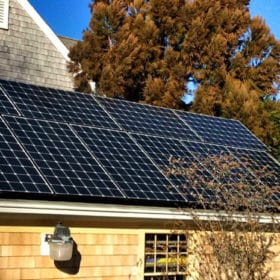
Net metering survives in Idaho
State regulators have overwhelmingly ruled to deny Idaho Power’s proposal to decrease the net metering rate for residential solar owners by 50%.

5 most popular articles at pv magazine USA in 2019
Certain articles at pv magazine catch fire and capture the imagination of our solar colleagues as well as a wider, equally nerdy, audience. Here are the most widely read pieces of the year at pv magazine USA.

Kauai was 100% renewably powered for 32 hours over the last month
The Hawaiian island of 70,000 residents has achieved this feat on 11 different occasions since before Thanksgiving, anchored by a five-hour period on December 10. Plus, a world tour of high-penetration renewable hotspots.
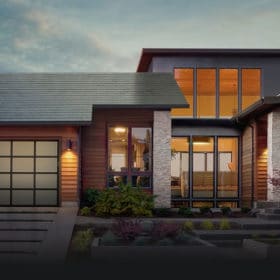
Tesla to hide ‘solar test-house’ under tents at Fremont site
Lora Kolodny at CNBC uncovered a recently granted building permit that allows Tesla to put up “two canopy covers” over its new “solar test houses.” Earlier this year, Tesla CEO Elon Musk announced that 2019 was “the year of the solar roof.”
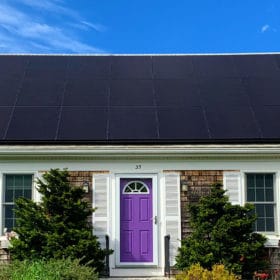
Georgia Power has 5,000 residential solar net metering contracts and it’s first come, first served
In a rate case vote, regulators approved 32 MW of residential rooftop solar power to be installed, which could expand the utilities total base 500% from its current count of approximately 1,000 rooftops.
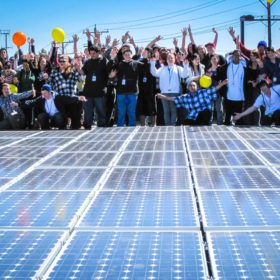
46% of U.S. homeowners want rooftop solar
A Pew Research Center survey shows that support for distributed generation and a desire for a residential installation of one’s own is up 6% nationally since 2016.
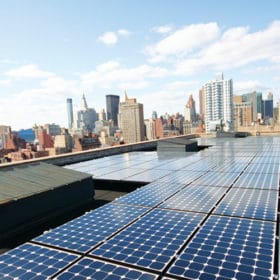
New York is a 2 GW solar state
With the opening of the Mechanicville Community Solar Project, New York has become the 9th state to install 2 GW of solar. There is, however, no time to celebrate as the state has 5 years to add another 4 GW.
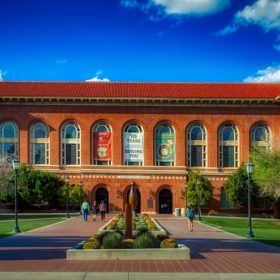
Morning Brief: Renewably powered Wildcats and a six-project shopping spree for the US Solar Fund
Welcome back to your workweek and to the pv magazine morning brief. Today we’ve got National Grid on the project approval train, a microgrid in in the Great Smoky Mountains National Park and more!