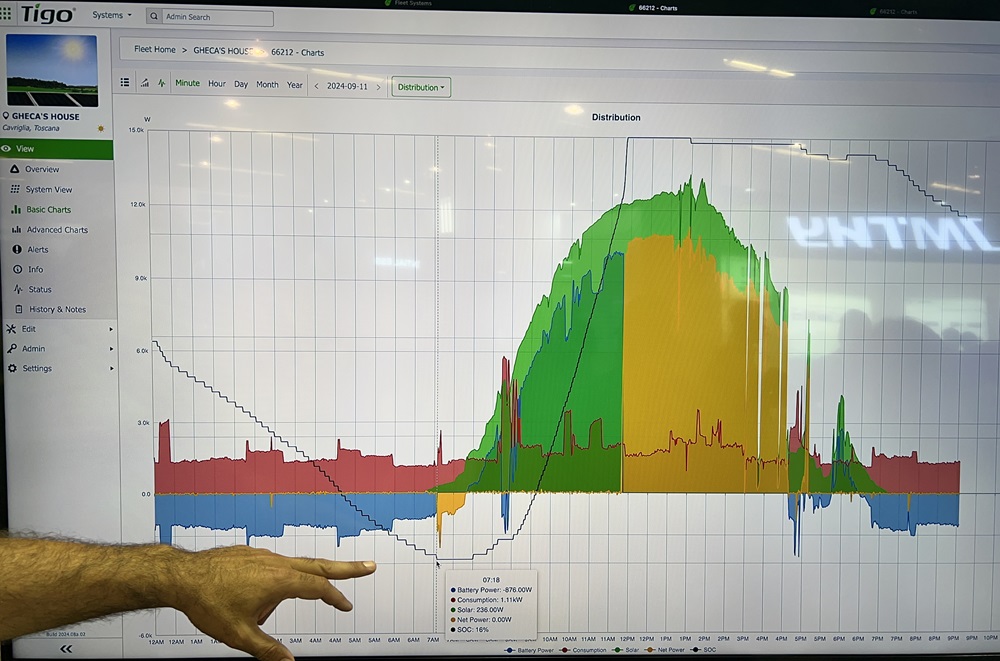





Tigo Energy, a specialist in intelligent solar and energy storage solutions, announced upgrades to its Predict+ software suite. The latest updates specifically target the North American market, where energy producers face increasing volatility in wholesale electricity prices and more stringent requirements for grid stability.
The platform utilizes machine learning to analyze historical weather patterns, real-time system performance, and market pricing data to provide power generation forecasts.
Tigo’s dual role as a hardware provider and a software developer gives the company a distinct advantage in the predictive analytics space. Its Flex MLPE (Module Level Power Electronics) hardware, including the TS4 platform for optimization and rapid shutdown, generates high-resolution, module-level data that serves as the foundation for its software models. By capturing granular performance metrics, such as by-the-minute energy yield and temperature from individual panels , the company can feed more accurate, real-world inputs into its AI engines compared to providers relying solely on bulk inverter data or remote satellite imagery.
The company’s hardware solutions are currently deployed across projects ranging from residential repowering to utility-scale installations, allowing the company to aggregate massive datasets under management.
In the current market environment, power producers often face financial penalties for deviations from predicted generation schedules. By leveraging high-fidelity data, the software allows operators to optimize bidding strategies in day-ahead and real-time markets, reducing risk and improving the bankability of large-scale renewable projects. The technical improvements are integrated into a broader Energy Intelligence platform that monitors and manages thousands of sites globally.
The Predict+ platform expansion into more granular U.S. energy features reflects the growing complexity of a domestic grid that must balance high penetration of intermittent renewables with steady demand from industrial users and data centers. High-fidelity analytics provide actionable insights that allow asset managers to determine optimal times to charge or discharge battery storage systems based on predicted price spikes or grid stress. Precision in output modeling has become a core operational requirement as more states implement complex community solar and storage programs.
Management noted that the growth of the platform aligns with a period of significant regional shifts, such as when the California Independent System Operator launches its Extended Day-Ahead Market to improve coordination across the Western grid.
Regional market expansion allows participants to trade energy in a day-ahead timeframe, creating a larger and more efficient pool of resources that requires accurate, localized forecasting. Scaling these software capabilities helps independent power producers and utilities navigate the transition to a more decentralized and digitalized power grid.
This content is protected by copyright and may not be reused. If you want to cooperate with us and would like to reuse some of our content, please contact: editors@pv-magazine.com.



By submitting this form you agree to pv magazine using your data for the purposes of publishing your comment.
Your personal data will only be disclosed or otherwise transmitted to third parties for the purposes of spam filtering or if this is necessary for technical maintenance of the website. Any other transfer to third parties will not take place unless this is justified on the basis of applicable data protection regulations or if pv magazine is legally obliged to do so.
You may revoke this consent at any time with effect for the future, in which case your personal data will be deleted immediately. Otherwise, your data will be deleted if pv magazine has processed your request or the purpose of data storage is fulfilled.
Further information on data privacy can be found in our Data Protection Policy.