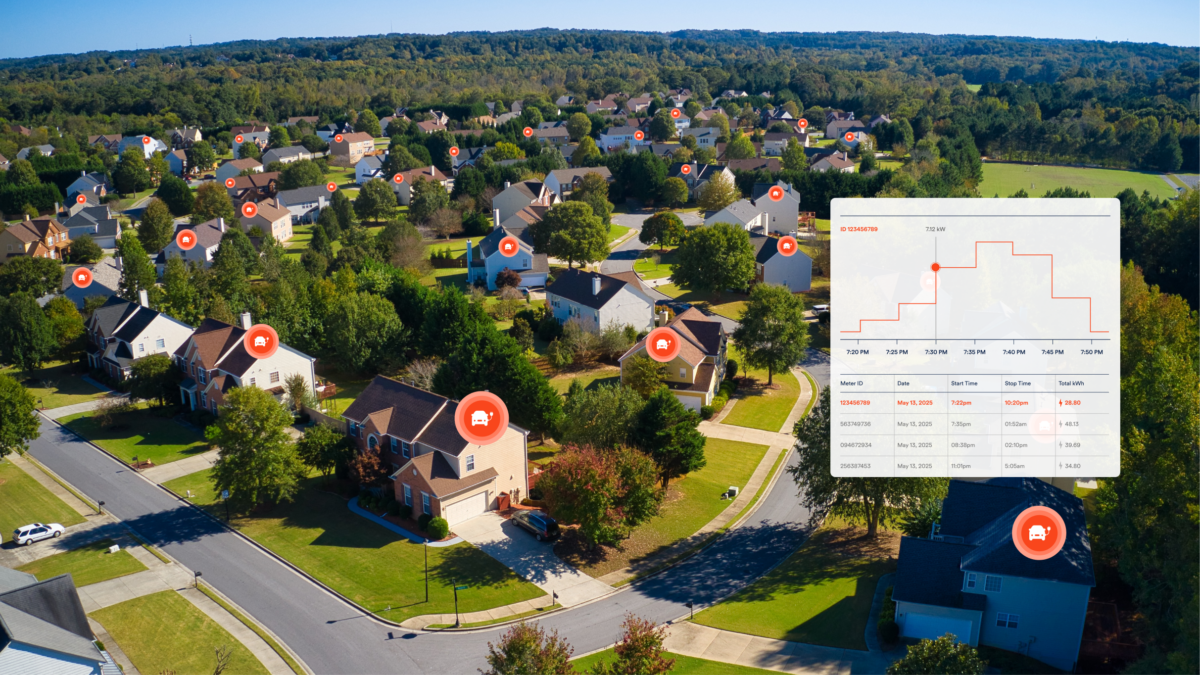





The recently announced partnership between Boston-based Sense and California-based ev.energy integrates the former’s household smart meter data application with the latter’s distributed energy resource (DER) management system to give utilities more reliable information for planning and response. The deal reflects the reality of home solar and storage penetration as well as the more the seven million electric vehicles on U.S. roads.
Residential electricity usage has become more complex than simply keeping track of what appliance is using power when and at what rate. These days, there is an increasing chance that a given home is equipped with some combination of: 1) generating capacity in the form of a solar array or heat pump; 2) a battery storage system; and 3) a charging station for one or more EVs. Any one of these features has a significant impact on the grid landscape, and in concert they radically alter utility planning efforts.
Colin Gibbs, senior vice president of revenue and strategic partnerships at Sense, told pv magazine USA that the advent of solar, storage and EV charging at the residential level has dramatically increased the number energy management variables for both homeowners and utilities.
“The utility planning process and how they assign capital to things long term is always based on a modeled set of scenarios; it’s not necessarily the actual conditions,” Gibbs said. “They build out the entire grid basically for the worst possible hour of the year. And the whole cost basis, all the fixed costs really start to flow down from that requirement. I understand why it makes sense from an engineering perspective. But we are getting to a place from a technology standpoint where we have the feedback mechanisms in place for utilities to plan more realistically.”
Sense used to produce hardware for enabling homeowners to collect and view real-time electricity usage from their electrical panels. Gibbs said with the proliferation of wi-fi-enabled smart meters, the company has focused on developing software for AMI (Advanced Metering Infrastructure) 2.0 systems that enables consumers to receive even more detailed information through downloadable apps.
“Previous generations of smart meters could collect information in intervals of 15 minutes or 60 minutes that would go to a third-party analytics firm and be available a day later,” he said. “Now you have the ability to run software locally in the meter itself with up to a million reads per second. This creates an environment where we can learn a ton about what’s going on within the home essentially in real time.”
Utilities have long been aware of the challenges – even to the point of frustration – of nudging ratepayers to change their behavior in an effort to modify electricity usage to make the most of existing generating capacity and transmission resources. If the past, this might have come in the form of informational mailings or emails showing how moving electricity usage into low demand hours could save money and prevent future increases for added capacity.
According to a report by ev.energy and The Brattle Group, optimizing EV charging schedules could help utilities avoid $30 billion in annual system costs by 2035, potentially lowering household energy bills for all by up to 10%. However, existing EV charging programs in the U.S. typically often see only 3% to 5% participation because users don’t enroll for one reason or another.
“The grid is no longer a one-way street; it’s a dynamic network of grid citizens,” said Nick Woolley, CEO and co-founder of ev.energy. “By layering Sense’s AMI intelligence over our platform, we are giving utilities the surgical tools they need to reach every household, maintain a reliable connection to every device, and orchestrate the grid edge device-by-device and feeder-by-feeder. Together with utilities, we can ensure that the energy transition is resilient, equitable, and delivers real value to every ratepayer.”
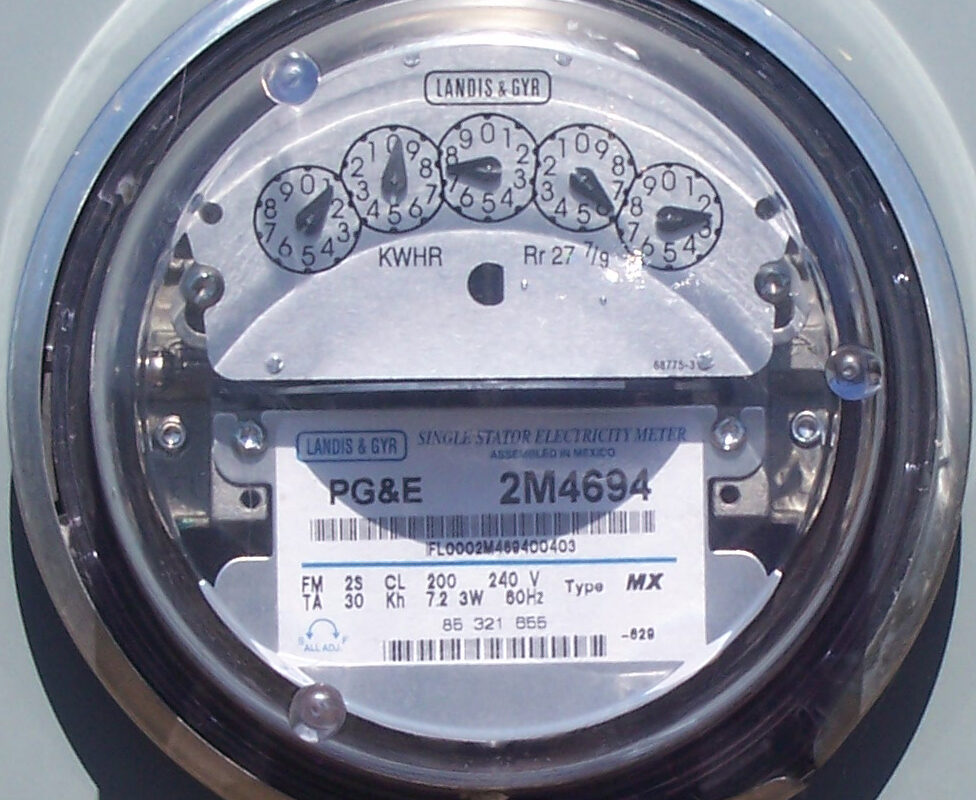
According to Gibbs, many utilities are upgrading ratepayers’ meters to the AMI 2.0 standard while others are making the transition from analog meters to the latest generation of smart meters. This is bringing unprecedented visibility in electrical usage to customers and utilities alike. Gibbs describes Sense’s partnership with ev.energy as an attempt to make the most of electricity usage information in the context of DER generation and trends in home solar, storage and EV charging.
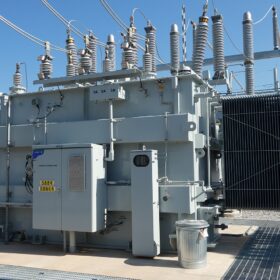
“What we’re most interested in is the ability to do localized control and automation based on distribution conditions,” he said. “I can see all the way down to the distribution transformer, so if a specific distribution transformer is repetitively being overloaded because there are five or six EVs charging in the same neighborhood, we now have this technology in place way out at the edge of the system to synchronize charges in a way that extends the life of that distribution asset.”
With more transparency available through apps that take advantage of smart meters, Gibbs said utilities and ratepayers can become more like partners in managing DER. For example, many utilities have established demand response and managed EV programs have been structured for load shifting to support the bulk system perspective of the utility. These programs work mainly using monetary incentives.
However, the features of AMI 2.0 enable ratepayers enrollment in programs that not only manage their charging and discharge situations to take advantage of demand-based rates, but allows solar, storage and EV charging management to respond to real-time changes in grid conditions to the benefit of the customer and grid operator alike.
“We want to make sure we automate that for customers so the outcome will be exactly what the customer expects,” Gibbs said. “You’ve got a fully charged vehicle when you get up in the morning and go to work.”
This content is protected by copyright and may not be reused. If you want to cooperate with us and would like to reuse some of our content, please contact: editors@pv-magazine.com.


By submitting this form you agree to pv magazine using your data for the purposes of publishing your comment.
Your personal data will only be disclosed or otherwise transmitted to third parties for the purposes of spam filtering or if this is necessary for technical maintenance of the website. Any other transfer to third parties will not take place unless this is justified on the basis of applicable data protection regulations or if pv magazine is legally obliged to do so.
You may revoke this consent at any time with effect for the future, in which case your personal data will be deleted immediately. Otherwise, your data will be deleted if pv magazine has processed your request or the purpose of data storage is fulfilled.
Further information on data privacy can be found in our Data Protection Policy.