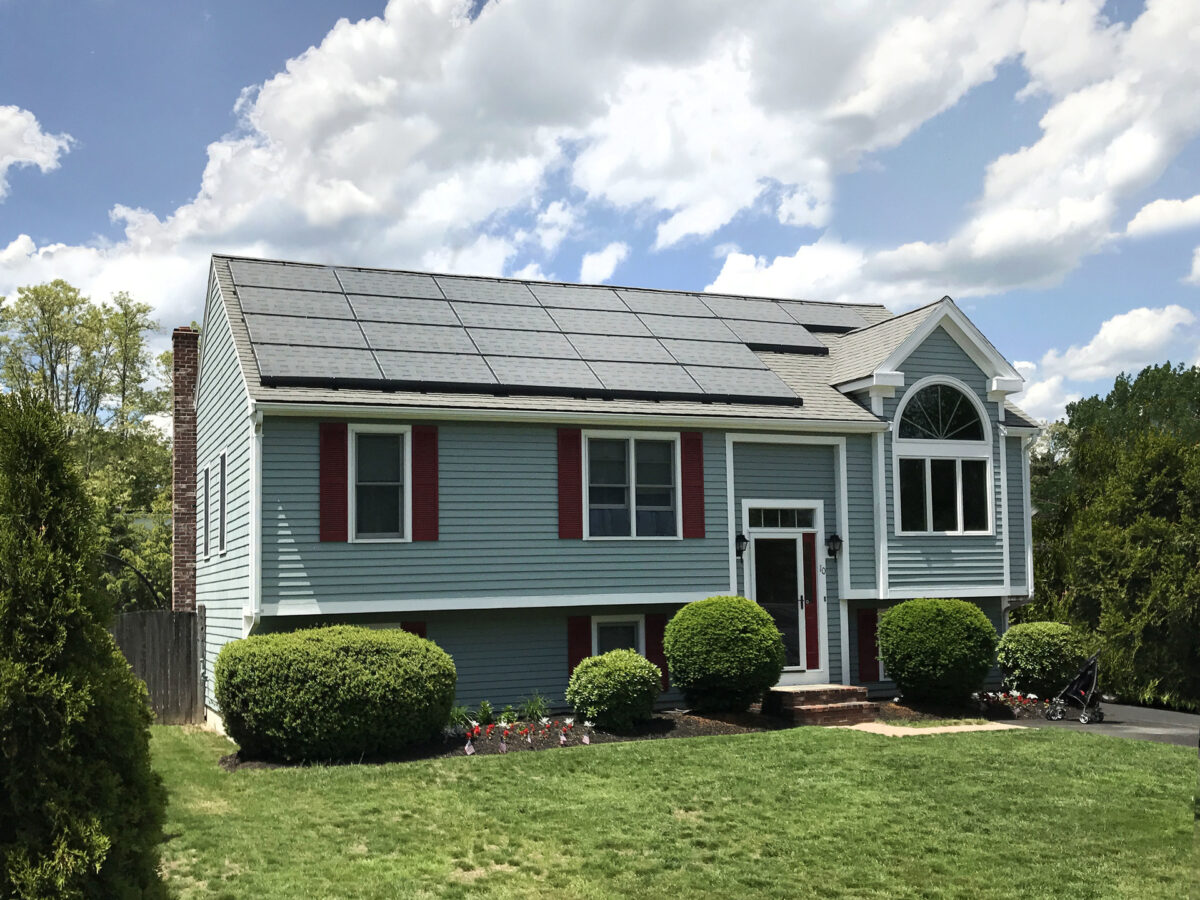





The Massachusetts State Senate is drafting a major climate omnibus bill that could change the value proposition for distributed energy resources (DERs) in the Commonwealth. While the House version (H. 5151) prioritized streamlining permitting and interconnection, the Senate is now facing calls to include a formal DER Peak Reduction Standard.
The proposed mandate would require investor-owned utilities to meet specific capacity targets by dispatching customer-sited solar and storage. If adopted, the standard could provide a more stable, long-term market signal for battery storage and virtual power plants (VPPs) than current incentive structures.
The logic behind the mandate centers on the disproportionate cost of peak demand. In Massachusetts, a fraction of the year’s highest demand hours drives a massive percentage of total system spend. Currently, the state relies on expensive natural gas peaker plants and traditional poles and wires upgrades to maintain reliability during these windows.
By establishing a DER Peak Reduction Standard, the state would force a DER-first approach to grid planning. Instead of ratepayer capital flowing into traditional infrastructure, utilities would be obligated to procure peak shaving services from local assets. This would effectively turn the cost of the peak into a revenue stream for solar-plus-storage providers and their customers.
For the solar industry, House’s H. 5151 is a mixed bag. On one hand, it includes reforms that the industry has sought for years, such as automated permitting for residential systems and new guardrails to prevent projects from languishing in stalled utility interconnection queues. It also proposes raising the municipal net metering cap to 20 MW to unlock the public project pipeline.
However, the House bill also proposed a $1 billion reduction in Mass Save energy efficiency funding. Vote Solar, a clean energy advocacy group, has been vocal about the need for the Senate to bridge this gap. The group argues that a peak reduction mandate would move the conversation away from subsidized equipment and toward a market-based model where DERs are compensated for the specific locational and temporal value they provide to the grid.
For developers and aggregators, the inclusion of this standard would accelerate the rollout of VPPs. By aggregating residential and C&I batteries, providers can offer the utility a dispatchable block of power that rivals traditional generation.
The Senate is expected to release its text in the coming weeks. The industry is watching closely to see if the final language includes binding targets or merely encourages utility participation. Once the Senate passes its version, a conference committee will work to bridge the gap between the House’s focus on deployment speed and the Senate’s potential focus on grid-wide cost reduction.
This content is protected by copyright and may not be reused. If you want to cooperate with us and would like to reuse some of our content, please contact: editors@pv-magazine.com.






By submitting this form you agree to pv magazine using your data for the purposes of publishing your comment.
Your personal data will only be disclosed or otherwise transmitted to third parties for the purposes of spam filtering or if this is necessary for technical maintenance of the website. Any other transfer to third parties will not take place unless this is justified on the basis of applicable data protection regulations or if pv magazine is legally obliged to do so.
You may revoke this consent at any time with effect for the future, in which case your personal data will be deleted immediately. Otherwise, your data will be deleted if pv magazine has processed your request or the purpose of data storage is fulfilled.
Further information on data privacy can be found in our Data Protection Policy.