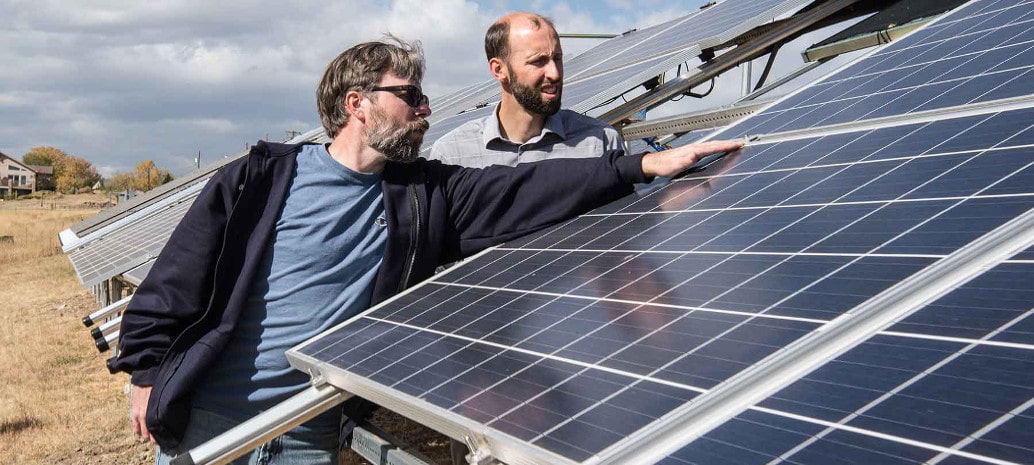





The U.S. Department of Energy (DOE) has unveiled a fiscal year 2027 budget justification, proposing a staggering 52% funding cut to the National Laboratory of the Rockies.
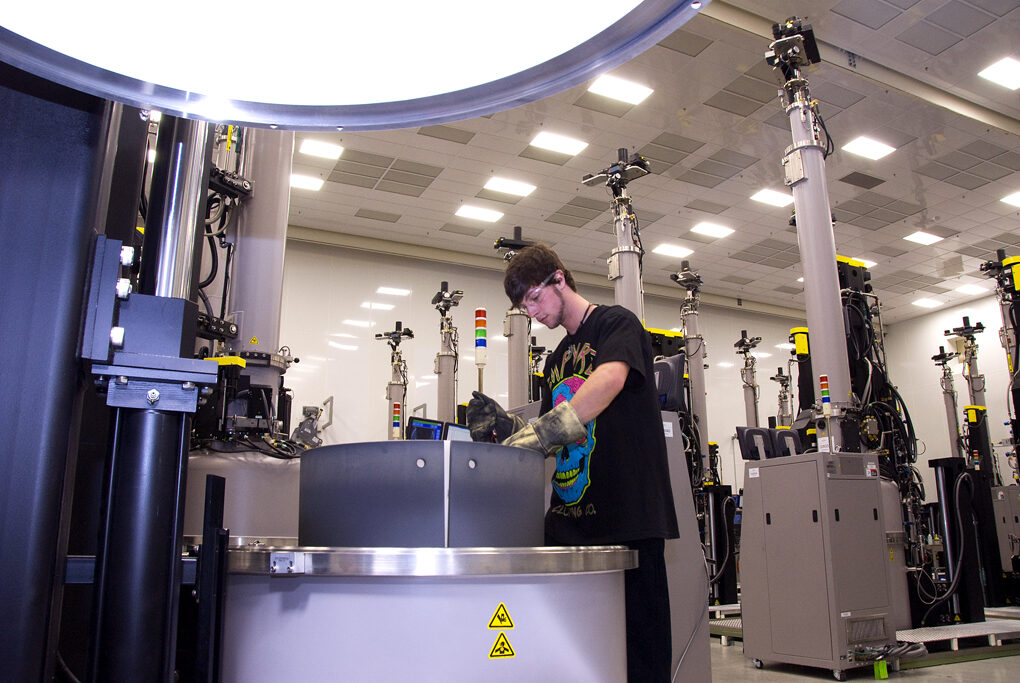
Formerly known as the National Renewable Energy Laboratory (NREL), the facility has long been the lead engine for American innovation in solar and battery technology.
The budget cut follows a broader trend of federal restructuring, including a previous move where the Department of Energy removed renewable energy and climate offices, effectively centralizing control under a mandate that favors traditional energy reserves and defense.
The National Laboratory of the Rockies is not the only target in the crosshairs. The DOE FY 2027 Budget Justification outlines a 20% reduction for Lawrence Berkeley National Laboratory, alongside similar cuts for the Oak Ridge and Argonne facilities. These labs are leading the research and development of next generation of long-duration energy storage (LDES) and high-efficiency cell architectures that the domestic manufacturing sector relies upon to compete globally.
Without the R&D support from national labs, experts warn the industry may face a bottleneck in grid-integration studies and the testing of new battery safety standards.
The capital salvaged from these cuts is slated for an expansion of the National Nuclear Security Administration (NNSA) and the creation of an Office of Artificial Intelligence and Quantum.
Furthermore, the budget proposes nearly $1.94 billion in fresh support for the coal, oil, and gas industries.
This policy shift mirrors the broader objectives of the 2025 “Big, Beautiful Bill,” which sought to roll back the incentives that spurred the recent boom in utility-scale development.
The DOE Alumni Network has warned that a reduction of this magnitude will trigger a brain drain as top-tier technical experts flee the public sector for private industry or international labs.
For an industry already grappling with complex interconnection queues and the restructuring of major loan programs, the loss of federal R&D support adds a significant layer of risk to long-term project planning. The proposed budget now awaits Congressional approval.
This content is protected by copyright and may not be reused. If you want to cooperate with us and would like to reuse some of our content, please contact: editors@pv-magazine.com.




Another really bad idea from a short-sighted administration.
Obviously these funds are needed for more pressing and important federal priorities big ballrooms and big triumphal arch monuments.