





The Virginia State Corporation Commission (SCC) has issued a final order in its case establishing the “NEM 2.0” net metering successor tariff for Dominion Energy Virginia.
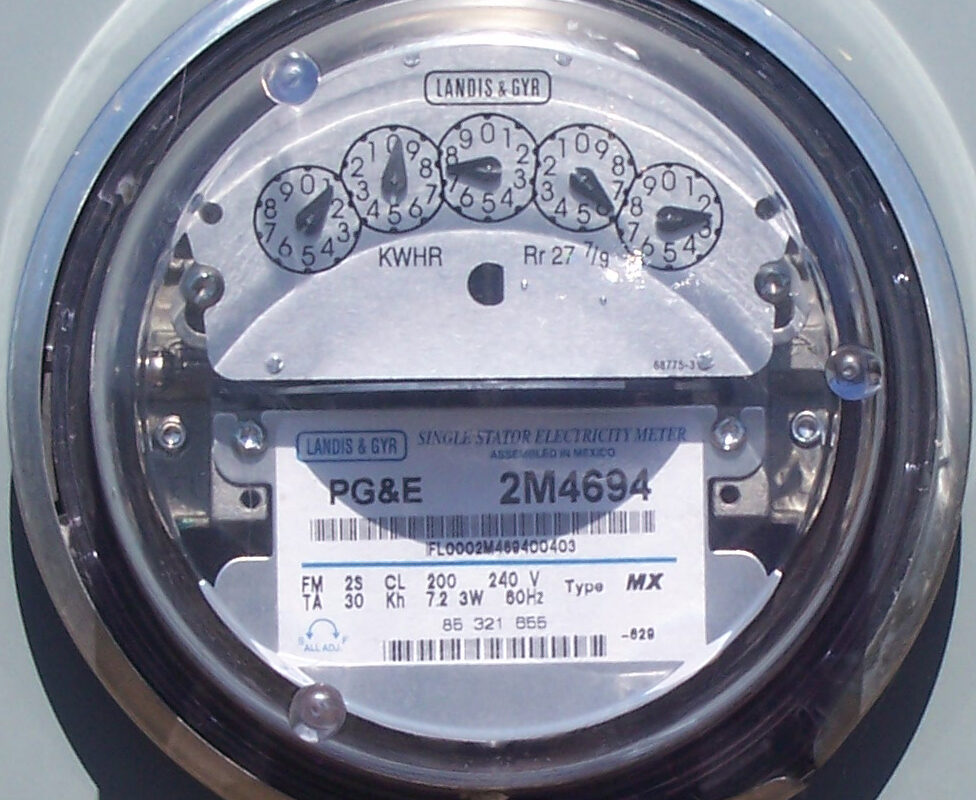
The decision retains the ability for solar owners to offset their electricity consumption with their own generation before any excess exports are valued at a lower rate under NEM 2.0, carrying forward energy credits for a 12-month period before such netting takes place.
In addition to preserving the 12-month netting period, the decision also increases the amount Dominion will pay for annual net excess generation, from a legacy rate based solely on the utility’s avoided cost of purchasing the power to a new rate that includes an extra penny per kWh. The commission based this determination on the fact that energy produced by customer-owned generation systems results in a benefit to the utility of avoiding the need to purchase renewable energy credits (RECs) for the amount of energy provided by those generators.
Finally, the order rejects a utility-proposed application fee of between $100 and $750 (based on system size). However, the commission decided to allow Dominion to charge NEM 2.0 customers a new administrative fee of $1 per month and said the utility’s proposal to gather more granular data about net energy production on a 30-minute basis can proceed.
The order, which took effect immediately as of the April 30 filing date, allows all current participants in NEM 1.0 to remain on the tariff indefinitely. Dominion energy is required to file revised tariffs with the commission within 90 days of the order’s effective date.
Dominion had initially proposed a shift away from annual netting and toward a “fiscal netting paradigm” that would have seen a customer’s solar energy production and grid energy usage netted on a continuous basis in 30-minute intervals, with any net excess generation credited as a dollar amount based on the avoided cost.
The Virginia SCC order was widely praised by solar advocates. “Dominion’s proposal would have pulled the rug out from under thousands of Virginians who want to lower their bills and generate their own clean energy,” said Shawn Kelly, managing director of state regulatory at Advanced Energy United in a statement. “The Commission rejected that approach and upheld a policy that benefits customers, communities, and the grid.”
Kevin Lucas, vice president of policy analysis for the Solar Energy Industries Association had this to say:
Smart net metering policy is good for solar customers, grid reliability, electricity prices, and the clean energy economy. The State Corporation Commission was right to reject Dominion’s request that would have made it much harder for Virginians to lower their electricity bills and contribute to grid reliability by investing in rooftop solar. We’ve always known that the benefits of net metering extend far beyond any one home that has rooftop solar, and it is great to see regulators affirm the widespread benefits of rooftop solar in their ruling.
Background on Virginia net metering
The Dominion Net Metering proceeding (and a similar proceeding from Appalachian Power decided by the commission in 2025) resulted from changes to Virginia state law brought about by 2020’s Virginia Clean Economy Act (VCEA), which raised the capacity limit for net metering in the state from 1% of utility peak demand to 6%, but also included a provision that required the SCC to “(m)ake all reasonable efforts to ensure that the net energy metering program does not result in unreasonable cost-shifting to nonparticipating electric utility customers.”
In addition, the VCEA required the commission to “(e)stablish an appropriate netting measurement interval for a successor tariff that is just and reasonable in light of the costs and benefits of the net metering program in aggregate, and applicable to new requests for net energy metering service.”
In its findings, the commission rejected the petitions of both utilities to allow 30-minute netting and new application or grid-connection fees, finding instead that the modest changes it approved to compensation for net excess generation satisfied the statutory requirements.
However, in the Dominion case, the commission left the door open to future adjustments when the proportion of capacity represented by net metered installations nears the statutory limit of 6% of the utility’s peak load.
This content is protected by copyright and may not be reused. If you want to cooperate with us and would like to reuse some of our content, please contact: editors@pv-magazine.com.



By submitting this form you agree to pv magazine using your data for the purposes of publishing your comment.
Your personal data will only be disclosed or otherwise transmitted to third parties for the purposes of spam filtering or if this is necessary for technical maintenance of the website. Any other transfer to third parties will not take place unless this is justified on the basis of applicable data protection regulations or if pv magazine is legally obliged to do so.
You may revoke this consent at any time with effect for the future, in which case your personal data will be deleted immediately. Otherwise, your data will be deleted if pv magazine has processed your request or the purpose of data storage is fulfilled.
Further information on data privacy can be found in our Data Protection Policy.