




From ESS News
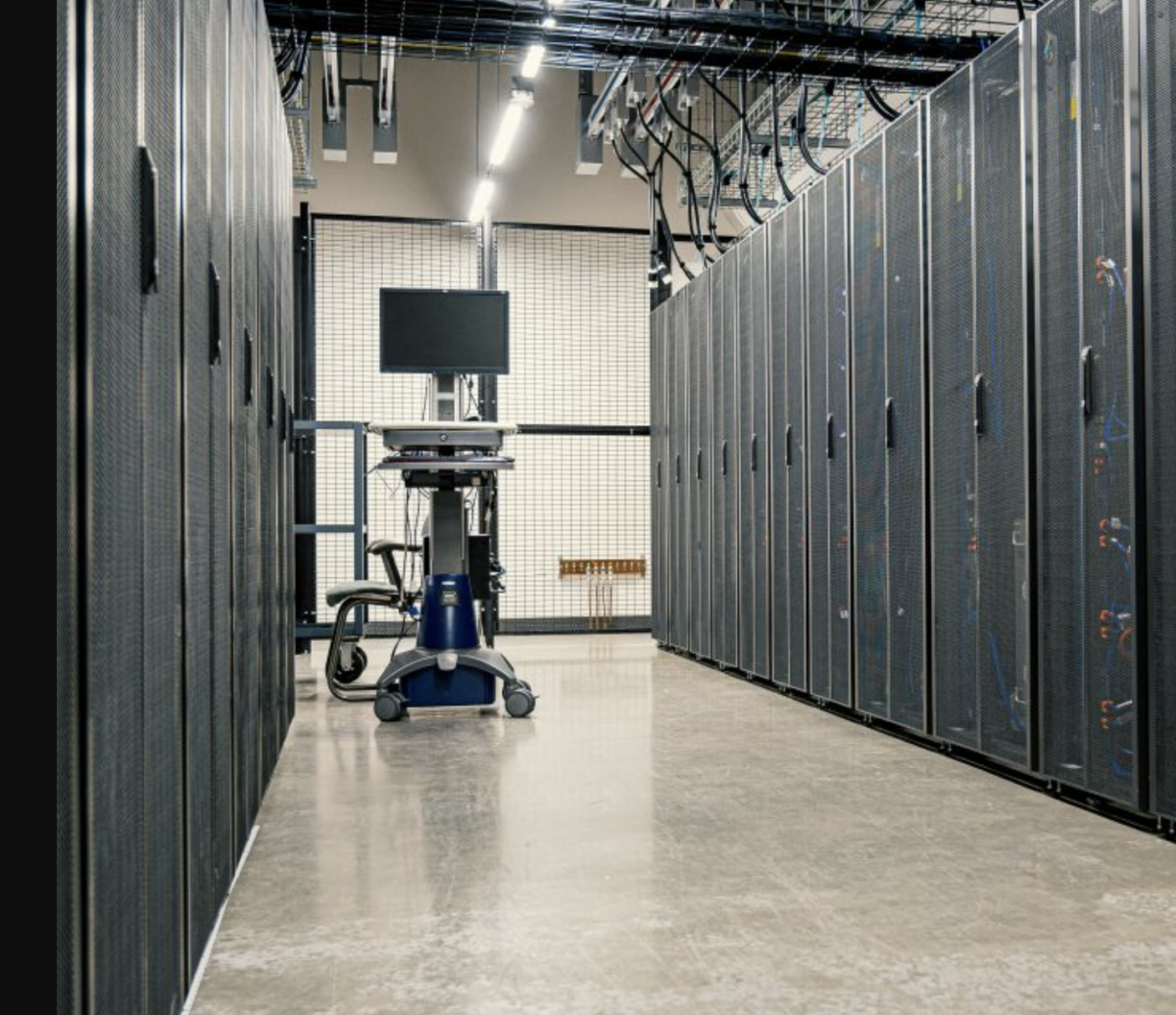
For most energy storage projects, some of the main goals include earning capacity payments, building resilience and participating in demand-response programs. A new framework is beginning to emerge for hyperscalers and other large load users as the AI boom keeps power demand soaring: Compute Per Megawatt (CPM).
Rather than viewing behind-the-meter storage as a revenue-generating asset for data centers, CPM reframes it as one that can enable new levels of computing and unlock capacity despite constrained grid access. The battery effectively acts like a lever to improve IT performance.
“Storage doesn’t make individual GPUs more efficient, but it removes the constraints that prevent the IT side from using its hardware to full potential,” explained Alejandro de Diego, a market analyst at Modo Energy. He told ESS News that normally, IT-side techniques like power capping and workload scheduling define the amount of compute a company can pull from a given power budget. “Storage expands what that budget is.”
To continue reading, please visit our ESS News website.
This content is protected by copyright and may not be reused. If you want to cooperate with us and would like to reuse some of our content, please contact: editors@pv-magazine.com.






By submitting this form you agree to pv magazine using your data for the purposes of publishing your comment.
Your personal data will only be disclosed or otherwise transmitted to third parties for the purposes of spam filtering or if this is necessary for technical maintenance of the website. Any other transfer to third parties will not take place unless this is justified on the basis of applicable data protection regulations or if pv magazine is legally obliged to do so.
You may revoke this consent at any time with effect for the future, in which case your personal data will be deleted immediately. Otherwise, your data will be deleted if pv magazine has processed your request or the purpose of data storage is fulfilled.
Further information on data privacy can be found in our Data Protection Policy.