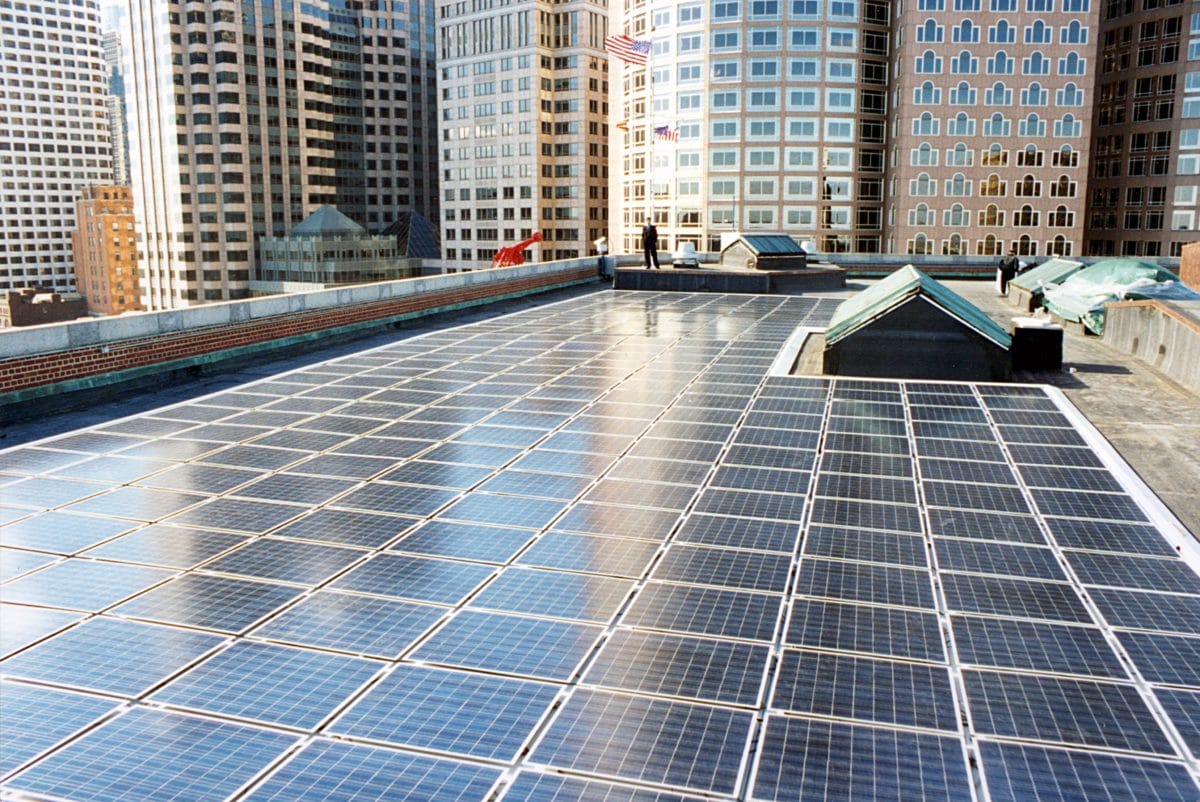





Massachusetts Governor Maura Healey signed an executive order to accelerate clean energy deployment across the state. The directive establishes a 15-month limit for final state and local permitting decisions on large-scale infrastructure.
The mandate creates a council that coordinates multiple agencies to prevent the bottlenecks that currently slow the transition to renewable generation. Smaller projects face a one-year approval window under the mandate.
The Energy Infrastructure Siting and Permitting Council will oversee the new regulatory framework. The council consists of representatives from the Executive Office of Energy and Environmental Affairs and the Department of Energy Resources. This group must integrate community engagement and impact assessments into the review cycle.
The Solar Energy Industries Association said the order provides the market certainty required for private investment. Current project timelines often exceed three years due to fragmented local reviews and grid constraints. SEIA expects the reform to lower soft costs for developers. The trade group noted that interconnection delays remain a primary hurdle for the 2030 targets.
The administration aims to meet a target of 4 GW of new in-state solar capacity by 2030. This goal requires a significant increase in annual installation rates compared to the previous decade. The executive order specifically addresses the land use and local zoning challenges that have historically slowed ground-mount solar arrays in rural municipalities.
The order also prioritizes 3.5 GW of demand-side resources. This includes the development of virtual power plants that aggregate distributed energy resources to provide grid services. Demand-side systems allow the Department of Energy Resources to manage peak load without relying on fossil fuel peaker plants. The state expects these assets to reduce wholesale price suppression costs for all ratepayers.
A core component of the plan involves the procurement of 5 GW of energy storage. This capacity will support the stability of the grid as intermittent wind and solar generation increases. The 15-month permitting deadline applies to these storage facilities to ensure they reach commercial operation dates in line with state climate mandates.
The council must submit a report on the progress of these reforms within the next fiscal year. The report will detail the number of projects that entered the streamlined process and the average time to reach a final decision. The administration believes these efficiency gains will facilitate the $313 million in annual savings forecasted for the state energy transition.
The framework includes provisions for technical assistance to local boards. Many municipalities lack the staff to review complex energy applications within the new one-year timeframe. The executive order directs state agencies to provide the necessary resources to ensure local voices remain part of the process without causing project delays.
Massachusetts has 4,775 MW of solar currently online, representing enough generation to power nearly 850,000 homes, according to SEIA. The industry supports over 11,500 jobs through 440 companies across the state, including 68 manufacturers and 215 installers and developers. Total investment in the sector has reached $11.5 billion, with $564 million added in 2023 alone. Market projections indicate the state will add another 2,367 MW of capacity over the next five years, supported by a 23% contribution of solar to the total electricity mix of the Commonwealth.
This content is protected by copyright and may not be reused. If you want to cooperate with us and would like to reuse some of our content, please contact: editors@pv-magazine.com.






By submitting this form you agree to pv magazine using your data for the purposes of publishing your comment.
Your personal data will only be disclosed or otherwise transmitted to third parties for the purposes of spam filtering or if this is necessary for technical maintenance of the website. Any other transfer to third parties will not take place unless this is justified on the basis of applicable data protection regulations or if pv magazine is legally obliged to do so.
You may revoke this consent at any time with effect for the future, in which case your personal data will be deleted immediately. Otherwise, your data will be deleted if pv magazine has processed your request or the purpose of data storage is fulfilled.
Further information on data privacy can be found in our Data Protection Policy.