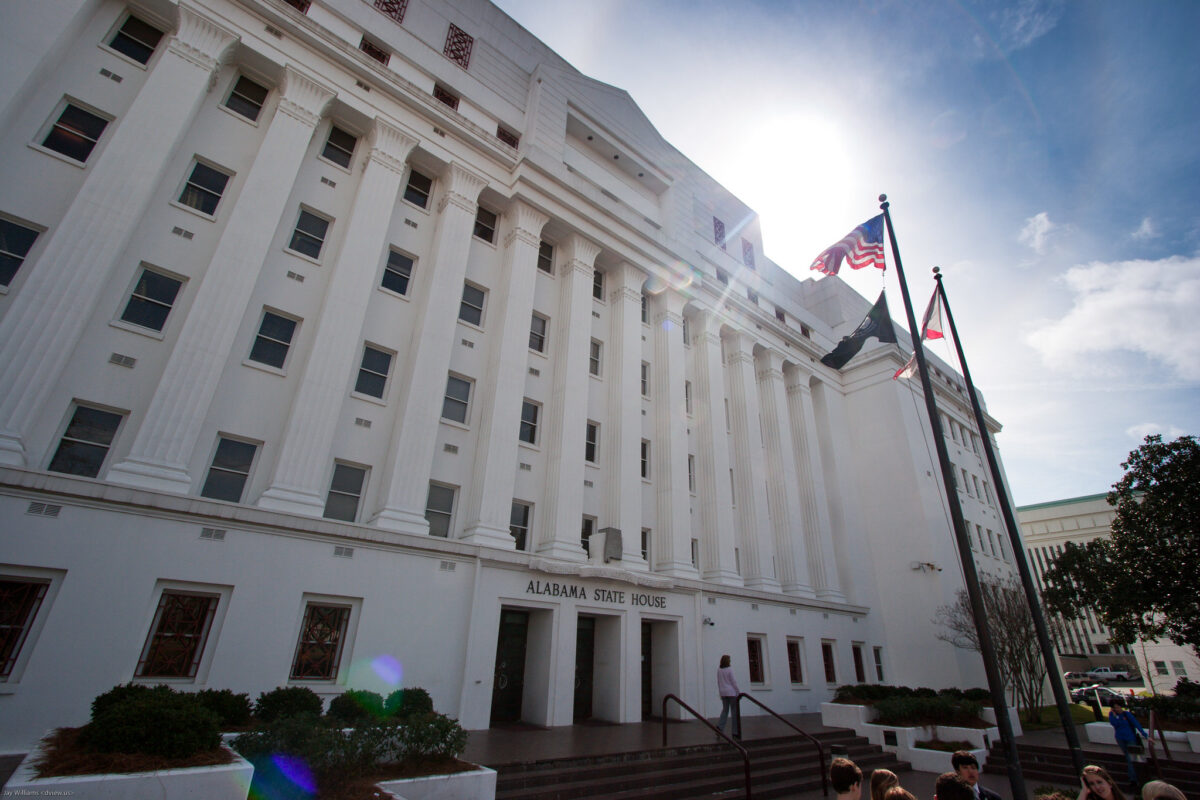





Alabama Senator Greg Albritton (R) has introduced AL SB354, which seeks to pause all solar power construction statewide. The bill made it out of its initial committee on March 11, and was introduced to the broader legislative body on March 26. As the bill is currently written, it would be implemented immediately upon appropriate signatures being collected.
The the bill states:
For one year after the effective date of this act, a solar power facility not operating or under construction on the effective date of this act may not be constructed or operated.
Further, the bill defines the proposed constrictions are applied specifically to utility scale solar. These are defined as a, “large-scale, ground-mounted installation of photovoltaic panels…using solar power for use off-site or sale to a third party.’
The politician told the Senate Transportation & Energy committee that the was introduced due to questions by residents upset about a solar project in Stockton, Alabama, whose purpose is to power a Meta data center.
He later said, he’s “not doing any more than trying to protect the Black Belt”. The central area of Alabama known for its very dark, fertile soil, along with the plantation economy, worked by blacks, that subsequently developed. As well, the long term economic challenges that have arisen since.
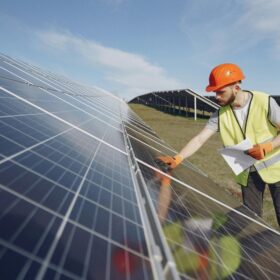
Silicon Ranch is developing the 4,500 acre solar facility. Since the land is located in rural areas, not within specific city limits, per State of Alabama law, there is a local review process for development. The project’s 25 year power purchase agreement was approved by the state’s Public Service Commission in December.
During an interview by NBC, a local said, “They met the letter of the law, but not the spirit of the law.”
This is the second Republican politician that has submitted a statewide ban in recent months. A Missouri State Senator, with vocal support from the Governor, submitted a bill seeking to stop all solar construction immediately, and placing a moratorium on all new solar construction starts until December 31, 2027 – or when new rules are developed by the state.
Concurrently, U.S. Rep. Brian Fitzpatrick is publicly pushing to reinstate wind and solar tax credits eliminated under the OBBB, as Republicans face potential challenges in upcoming midterm elections.
The 260 MWac Stockton solar facility, if approved and constructed today, would increase Alabama’s solar capacity by one third on its own.
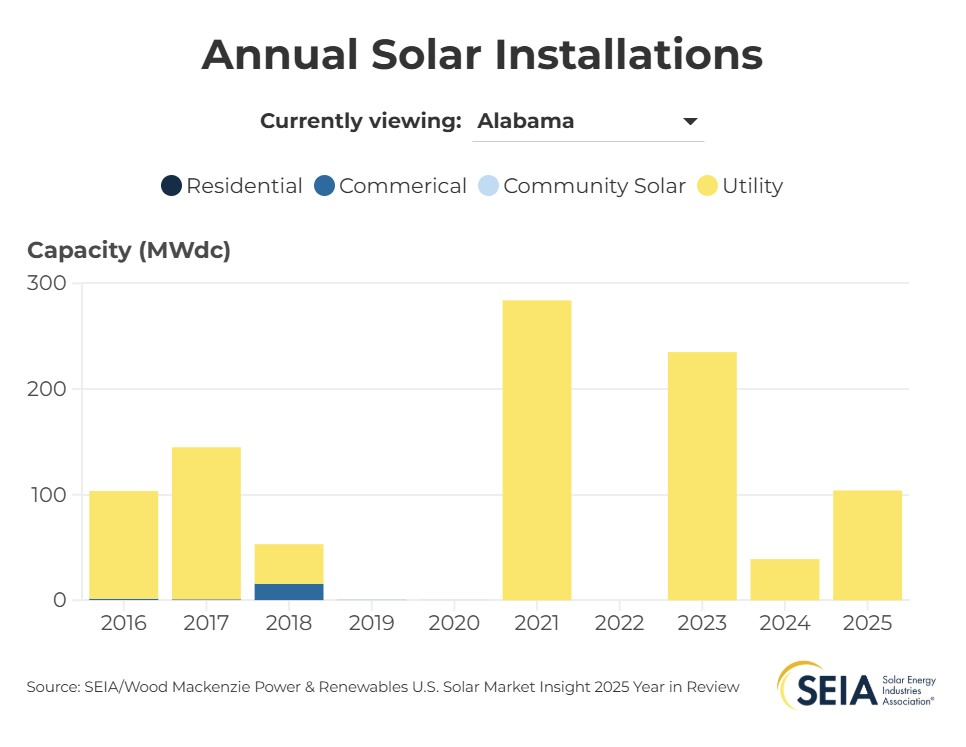
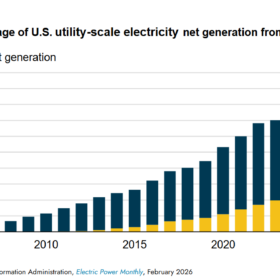
Alabama is not known for its strong solar construction, even though it is located in the south and has a large volume of land area hypothetically available. The state has just under 1 GW of capacity deployed, ranking 38th nationwide. The state gets less than 1% of its electricity from solar generation, per the Solar Energy Industries Association (SEIA).
Over the next five years, SEIA expects the state to double its capacity.
This content is protected by copyright and may not be reused. If you want to cooperate with us and would like to reuse some of our content, please contact: editors@pv-magazine.com.

To prohibit Americans from fighting climate change and increase fossil fuel use is counter intuitive. Fossil fuel sources are finite and polluting. It is better for the “black earth” agriculture to leave those materials in the ground. Fossil fuels are expensive to remove, exacerbate negative health conditions, and make fossil fuel corporations/companies rich (they can’t take it with them) whereas the fuel source of sunlight is “free” and clean.
This planet was endowed with sun, wind and tidal power sources that can be captured with efficient clean methods. Put people to work inventing and innovating those methods and installing them. Make a positive move toward a cleaner future for our children, grand children and great-grand children including all the wildlife and plants . . . Let your legacy be a cleaner sustainable future.
Using farmland for solar is the problem. Out of service forever. Solar on power plant property, industrial roofs is not taking food out of production. Did the same idiocy with Ethanol. Taking food stocks to generate alcohol. Best practice: See Brazil. they used unproductive land ( unsuitable for food crops ) and grew something that would generate fuel. Cane?