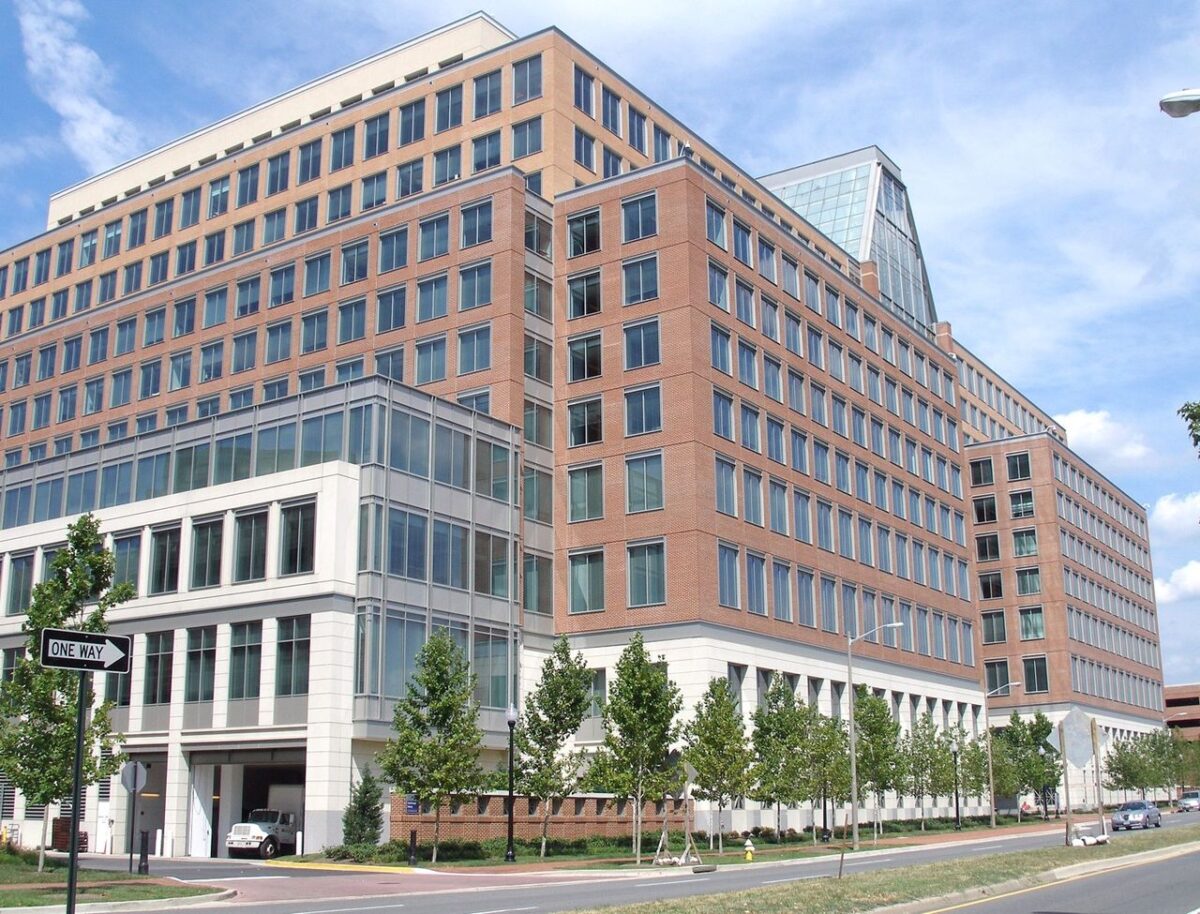





Shoals Technologies Group says it has received a favorable initial determination from an administrative law judge at the U.S. International Trade Commission (ITC), advancing its patent infringement case against Voltage, LLC.
On Feb. 6, the judge found that Voltage violated Section 337 of the Tariff Act of 1930 by importing LYNX trunk bus products into the United States. The ruling states that these products infringe on Shoals’ intellectual property related to its Big Lead Assembly (BLA) solutions, a suite of products designed to connect solar panels to inverters that is covered under two U.S. patents.
The decision is a preliminary step in the ITC’s investigation process, and the commission is expected to issue a final determination by June 2026.
If the full commission upholds the judge’s finding, it could issue an exclusion order preventing the importation of the infringing Voltage products.
Shoals’ history of protecting its IP
Shoals, which manufactures its BLA solutions in the U.S., argues that the ruling reinforces the importance of domestic intellectual property protection.
“This initial ruling is a big step towards a win for American innovation and the domestic energy supply chain,” said Brandon Moss, CEO of Shoals Technologies Group.
But the company knows well that initial findings do not always result in agreement in the Commission’s final determinations. Shoals notes that its appeal regarding an earlier ITC decision — in which the Commission reversed an initial finding that Voltage infringed on a patent for an earlier version of the BLA — remains ongoing at the U.S. Court of Appeals.
During the process of that initial infringement complaint, Shoals received new patents on its assembly that it said it believed would provide “protection against alternative designs that Voltage may create to bypass” the original patent.
Sector-wide litigation
The Shoals case mirrors a surge in intellectual property disputes across the solar industry as manufacturers seek to protect their technology amid a crowded market.
In January 2026, Canadian Solar announced a victory at the U.S. Patent and Trademark Office, which invalidated claims made by Maxeon Solar Technologies regarding TOPCon solar cell technology. Maxeon had previously filed a patent infringement lawsuit against Canadian Solar in the U.S. District Court for the Eastern District of Texas.
Similarly, First Solar recently successfully defended its TOPCon patents against challenges from competitors including JinkoSolar and Canadian Solar. In that instance, the patent office rejected petitions to review the validity of First Solar’s technology, allowing the U.S.-based manufacturer to proceed with infringement litigation in federal court.
This content is protected by copyright and may not be reused. If you want to cooperate with us and would like to reuse some of our content, please contact: editors@pv-magazine.com.


By submitting this form you agree to pv magazine using your data for the purposes of publishing your comment.
Your personal data will only be disclosed or otherwise transmitted to third parties for the purposes of spam filtering or if this is necessary for technical maintenance of the website. Any other transfer to third parties will not take place unless this is justified on the basis of applicable data protection regulations or if pv magazine is legally obliged to do so.
You may revoke this consent at any time with effect for the future, in which case your personal data will be deleted immediately. Otherwise, your data will be deleted if pv magazine has processed your request or the purpose of data storage is fulfilled.
Further information on data privacy can be found in our Data Protection Policy.