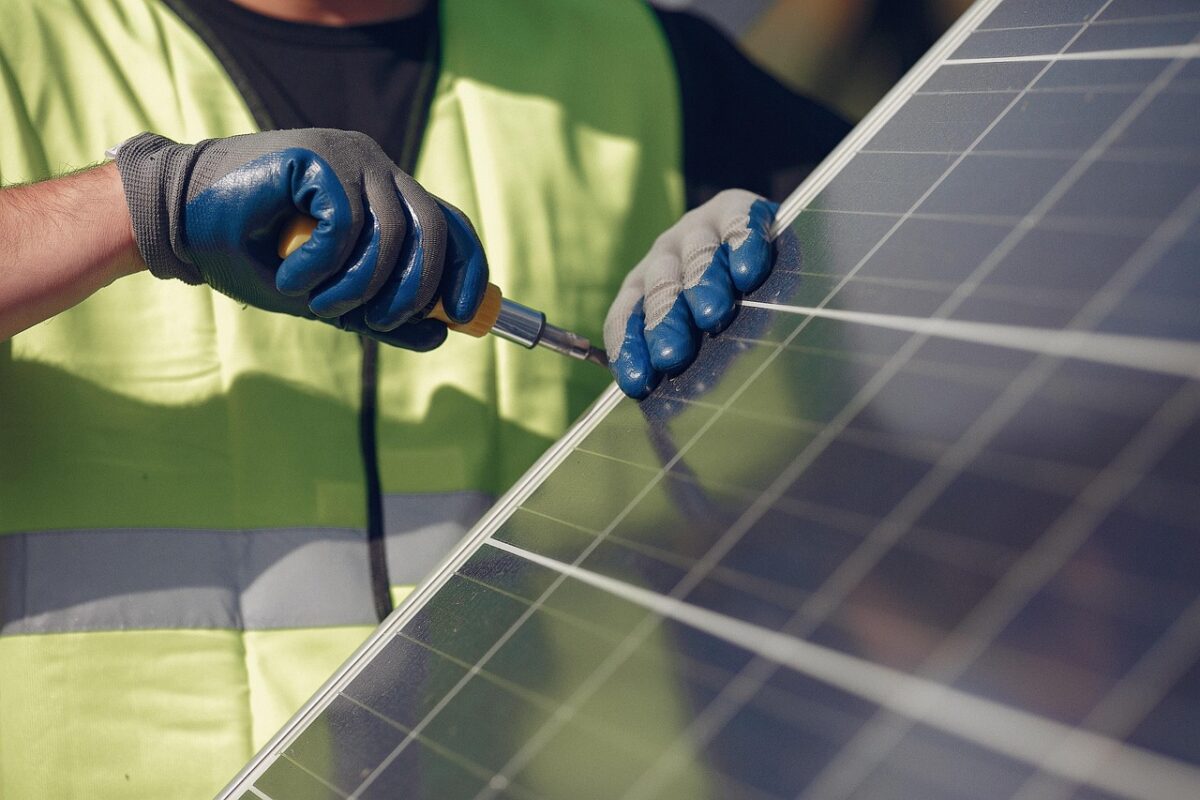





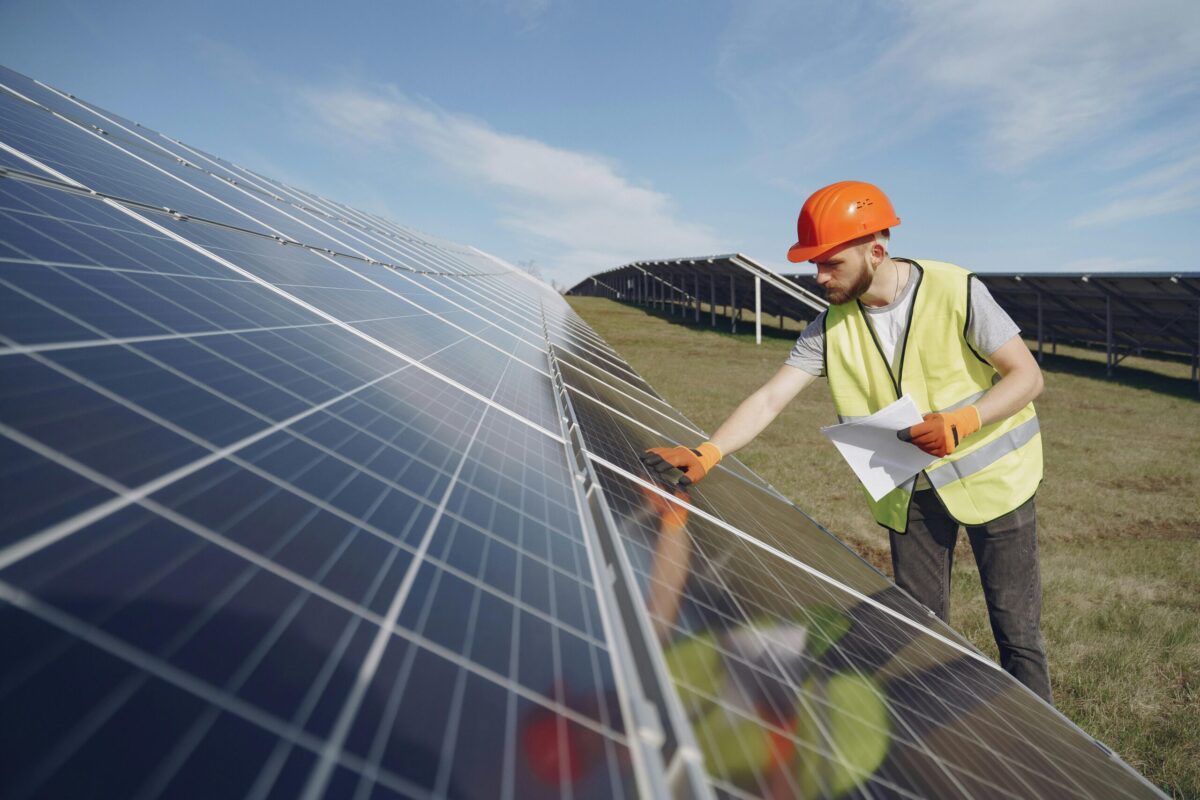
The IEA’s World Energy Employment 2025 report, published 5 December, shows that solar PV continues to be the top power sector employer globally, outpacing other power sectors featured in the analysis, such as nuclear, grids, wind and storage.
Global solar PV employment surpassed five million in 2024, led by a 30% increase in capacity additions. Capacity additions reached 540 GW during this period despite investment growth in the sector slowing last year.
Solar PV created 310,000 new jobs between 2023 and 2024, accounting for 40% of all job additions in the power sector in 2024. Distributed solar, in particular, was a key driver of employment growth, with around 225,000 jobs added in 2023-2024 compared to the next highest power generation technology, utility-scale PV, which recorded just under 100,000 additions in the same period.
Distributed solar, such as rooftop and other small-scale systems, accounts for two-thirds of all solar PV employment globally, despite representing only 43% of installed capacity. On average, distributed solar creates almost three times more jobs per megawatt than utility-scale solar. IEA attributed this disparity to the “individualized nature of rooftop installations,” which require tailored permitting, design, and installation, as well as a lot of sales and administrative work.
“Unlike utility-scale projects, which may benefit from automation and economies of scale, residential and small commercial installations rely heavily on manual labor and in-person customer service, further boosting employment in roles like sales, support and logistics,” said the report.
As a result, jobs in wholesale and transport make up about 25% of employment in distributed solar, compared to just 13% in utility-scale solar.
Regional breakdown
China is the main employer in solar PV, with 60% of the global workforce. Around 42% of these jobs are linked to domestic construction activities. Europe, India, and other Asia Pacific countries each account for around 10% of the solar PV workforce. The United States recorded a faster than average year-on-year growth in solar employment as developers accelerated project timelines to meet tax credit eligibility deadlines. New utility-scale projects and the expansion of off-grid solar systems in Africa contributed to its highest year-on-year employment growth at around 23%. India’s solar workforce recorded growth of around 18% thanks to support from the PM Surya Ghar program.
According to the IEA’s report, the majority (approximately two-thirds) of the solar PV workforce worldwide is employed in the development and installation of new capacity. Around 21% are employed in manufacturing polysilicon, wafers, cells, modules, and inverters, while 46% are engaged in the installation of projects in individual homes and utility-scale solar farms.
Skilled tradespeople, such as electricians, installers, and welders, make up more than one-fifth of the global solar PV workforce. This category is also where the most severe labor shortages are being reported, with the shortage of qualified electricians whose skills are needed for system integration, safety compliance, and grid connection, particularly concerning.
As installed solar capacity expands, the share of people involved in operations and maintenance (O&M) of solar PV systems is rising, the report noted. It also highlighted that as more plants reach maturity, replacing ageing solar panels will become an increasingly important source of employment. Construction jobs and manual labor tasks requiring not a lot of formal training account for around a quarter of all jobs. These include clearing sites, digging trenches, assembling panels and moving equipment.
Power sector trends
Elsewhere in the power sector, nuclear employment is rising but workforce shortages are harming the pace of project development. The IEA noted that artificial intelligence is beginning to play a role in addressing these shortages, but the industry is “cautious and highly selective” about AI adoption, citing concerns around data protection, privacy, and cybersecurity.
Commenting on the use of AI in general, the report claimed that while it is a powerful productivity tool it is doing little to ease the acute skills shortages in applied technical roles across all sectors.
“While investment in AI skills and capabilities is rising in the energy sector, current use cases do not significantly reduce demand for applied technical workers in construction, operations, and maintenance, which are mostly manual roles dominated by tasks that AI is not currently well suited to replace,” it noted.
Meanwhile, wind employment has grown more slowly in 2024 compared to previous years, with offshore wind, in particular, showing signs of weakness as developers reduced investment plans in response to increasing project costs. Hydropower recorded nearly two million jobs globally in 2024, supported by a substantial increase in investments, especially in pumped-storage hydroelectricity.
This is the fourth edition of the IEA’s World Energy Employment report, and the organization said it has been informed by “deep bodies of work and data made available by organizations such as the ILO, OECD, and UNESCO.” This 2025 edition also features data from three separate surveys carried out by the IEA on workforce dynamics across the energy sector.
This content is protected by copyright and may not be reused. If you want to cooperate with us and would like to reuse some of our content, please contact: editors@pv-magazine.com.



By submitting this form you agree to pv magazine using your data for the purposes of publishing your comment.
Your personal data will only be disclosed or otherwise transmitted to third parties for the purposes of spam filtering or if this is necessary for technical maintenance of the website. Any other transfer to third parties will not take place unless this is justified on the basis of applicable data protection regulations or if pv magazine is legally obliged to do so.
You may revoke this consent at any time with effect for the future, in which case your personal data will be deleted immediately. Otherwise, your data will be deleted if pv magazine has processed your request or the purpose of data storage is fulfilled.
Further information on data privacy can be found in our Data Protection Policy.