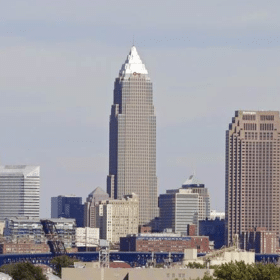
RFP alert: FirstEnergy units seek RECs for Ohio renewable energy goals
The companies plan to buy more than 425,000 RECs, which may include solar renewable energy credits.
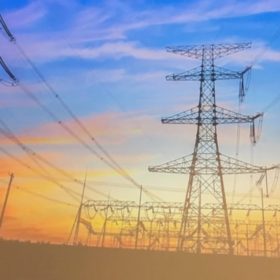
Interconnecting solar to the grid: An aggressively opaque process
If we’re honest about our current power grid development reality, we will accept that it is renewables that have been footing the bill for upgrades to the power grid.
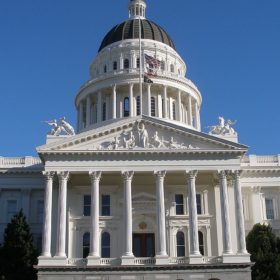
California legislators show support for community solar proposal
Dubbed the “Net Value Billing Tariff,” the program would be targeted at low-income and disadvantaged customers, who would be compensated based on the value of a project’s generation at the time it’s provided to the grid.

Meyer Burger: Coming to America
Meyer Burger is one of the world’s leading research and implementation companies developing new solar power technology.

Startup Sunday: Al Gore vehicle arms Octopus with $600m
Also starting up: SolaBlock tapped for sustainability challenge prize, and BlueDot Photonics closes a $1 million funding round.
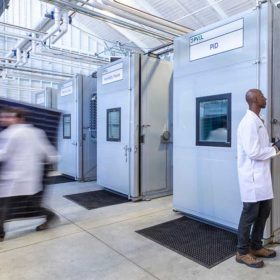
PV Evolution Labs crowdsources solar inverter testing
The testing is intended to offer inverter buyers an opportunity to leverage empirical data over the claims of product marketing materials.
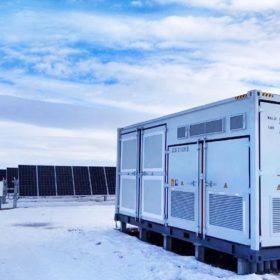
Key Capture Energy inks battery supply deal with Sungrow
The deal is for fully integrated two-hour battery systems for 390 MW of new battery storage projects, all of which are expected to start construction by the end of 2022.
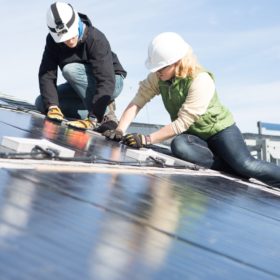
DOE launches $2.5 million prize to expand energy justice and inclusiveness goals
The prize is intended to fund organizations working with disadvantaged communities in clean energy as well as foster connections between DOE and innovators.
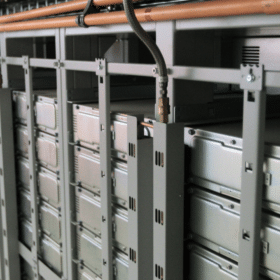
Vistra says Moss Landing incident likely not related to lithium-ion batteries
The company said its root cause review has not found any battery temperature measurements in excess of established limits at the time safety systems activated.
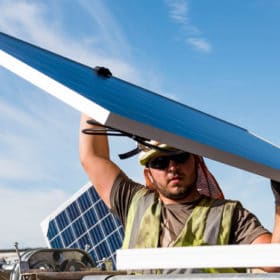
Aquamarine solar project enters service with first 125 MW of capacity
At full build-out, the 20,000-acre California park could have the capacity to deliver 2.7 GW of renewable energy.