People on the move: ESS Tech, Xcel Energy and more
Job moves in solar, storage, cleantech, utilities and energy transition finance.
Beyond rectangles: How geometry-constrained optimization can unlock more rooftop solar
Rethinking solar panel geometry beyond the traditional rectangle can unlock significant energy potential by optimizing coverage on complex, irregular rooflines.
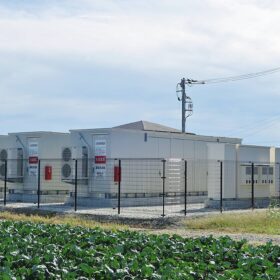
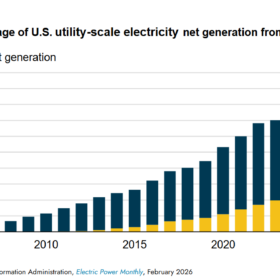
U.S. energy storage shatters records with 58 GWh installed in 2025
A new quarterly report from SEIA and Benchmark Mineral Intelligence highlights a 30% year-over-year growth in the U.S. battery market, even as the industry braces for supply chain restructuring and a shift in the political landscape.
VDE Americas releases “Physical Work Test” playbook to clear OBBBA regulatory hurdles
With the July 4 “start of construction” deadline looming, a new technical memorandum provides a roadmap for developers to navigate the end of the 5% safe harbor and secure tax credit eligibility.
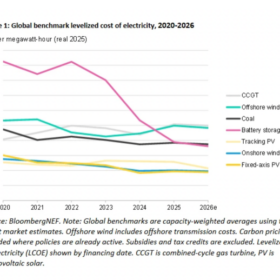
Solar LCOE to fall 30% by 2035, says BloombergNEF
Analysis from BloombergNEF finds the levelized cost of electricity (LCOE) of a typical fixed-axis solar farm increased by 6% year-on-year in 2025 to stand at $39/MWh, but innovation and competition are expected to see costs fall by 30% through to 2035.
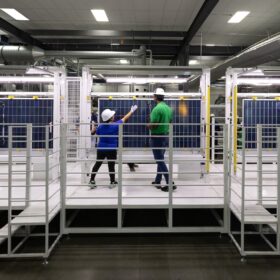
Nextpower to supply steel frames for JinkoSolar factory in Florida
Nextpower will supply more than 1 GW of steel frames by mid-year, scaling up to 3 GW over three years.
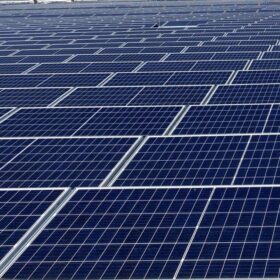
REC Solar prepares to start 3.3 MW rooftop solar array for self-consumption
The project for California food distributor Arctic Cold includes a power purchase agreement.

Inside the PV recycling black box
How PV modules are treated at the end of their life is an increasingly important issue, but some recycling practices leave a lot to be desired. Scott Azevedo from Intertek CEA explores how asking the right questions, paying closer attention to end-of-life treatment, and steering volume toward good recyclers can have positive long-term consequences for the solar industry.

The changing US solar supply chain
Demand in the US solar market remained broadly stable in 2025, but the supply-side landscape told a markedly different story. Shipments to the United States from major vertically integrated module manufacturers plunged by more than 40% year on year in the first half. Analysis from InfoLink’s Alan Tu reveals that the challenge lies not in end-market demand, but in whether supply chains can effectively function under current conditions.
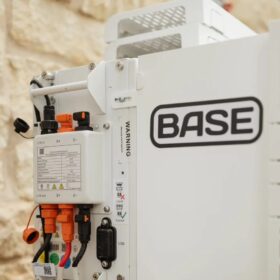
Base Power takes first step into distributed energy storage market for regulated utilities
The Texas company says its new front-of-the-meter distributed battery program with El Paso Electric will help the utility manage demand and provide resilience for homeowners who host the systems.