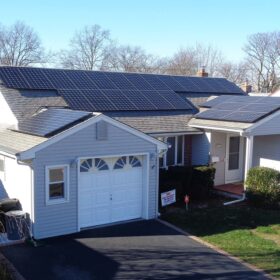
New report finds adoption of solar permitting best practices eludes even the best states
The all-new Solar Permitting Scorecard grades all 50 states on how well they support straightforward residential solar permitting. The report finds that bureaucratic barriers significantly increase costs in all states, with only two states managing to earn a “B” grade.

California’s SB 886 could make storage a prerequisite for data center interconnection
If passed, SB 886 would require large load users to cover half of their hourly needs with zero-carbon, dispatchable energy resources.

Illinois regulators launch investigation into consumer protection against data center costs
Facing applications for new data center capacity that represent a greater total demand than ComEd’s all-time peak, the Illinois Commerce Commission approved a plan to require data center projects to make larger deposits to cover the cost of grid upgrades and ordered an investigation into other methods of protecting utility ratepayers against footing the bill for data center load growth.

Energy tax credit restoration bill submitted to Congress
Two members of the U.S. House of Representatives have submitted a wide-ranging energy bill titled the “Energy Bills Relief Act” that essentially reverses any changes made to tax credits by the One Big Beautiful Bill.
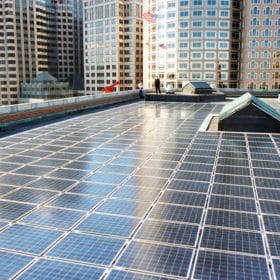
Massachusetts mandates 15-month permitting deadline for solar and storage
Executive order from Governor Healey targets 4 GW of in-state solar, 3.5 GW of demand side resources, and 5 GW of energy storage by 2030.

Treasury domestic content guidance on blue wafers creates compliance risks for solar developers
A legal alert from Wiley indicates that importing silver silicon wafers for domestic anti-reflective coating may disqualify solar cells from the 10% domestic content bonus credit despite conflicting customs rulings.
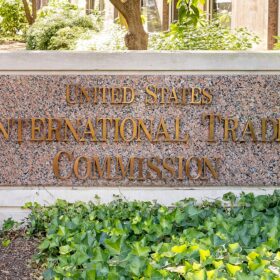
U.S. determines China not undercutting domestic battery anode makers
The U.S. International Trade Commission (ITC) has blocked the imposition of anti-dumping and countervailing duties on Chinese active anode material (AAM), providing a massive sigh of relief for the domestic battery storage sector.

Alabama senator seeks statewide ban on solar installations
An untitled bill has been submitted which, upon implementation, would immediately cease all “large-scale, ground mounted” solar construction in Alabama.

Intertek CEA forecasts rising U.S. solar module prices through 2027 amid tariff uncertainty
The firm’s quarterly market intelligence reports highlight rising module costs across the globe, with the largest potential impacts to U.S. buyers coming through impending Section 232 tariffs set to take effect this year.
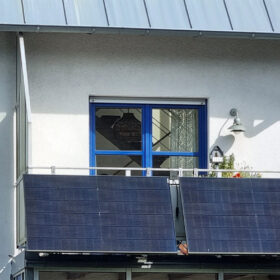
Virginia becomes second U.S. state to advance plug-in solar legislation to the governor’s desk
The Virginia General Assembly has passed companion bills HB 395 and SB 250, creating a streamlined pathway for so-called “balcony solar” devices up to 1,200 W, but significant questions remain around how the law will be implemented.