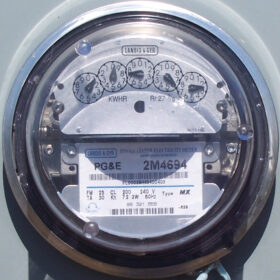
Interconnecting solar to the grid: An aggressively opaque process
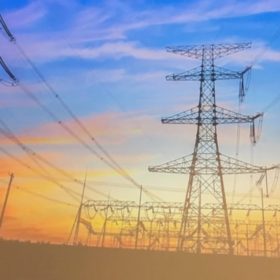
If we’re honest about our current power grid development reality, we will accept that it is renewables that have been footing the bill for upgrades to the power grid.

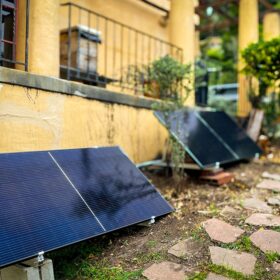
California legislators show support for community solar proposal
Dubbed the “Net Value Billing Tariff,” the program would be targeted at low-income and disadvantaged customers, who would be compensated based on the value of a project’s generation at the time it’s provided to the grid.

SEIA warns of a solar industry ‘death blow’ as Commerce weighs tariffs
Swinerton’s George Hershman warned, “This is absolutely the biggest risk and issue for our company and the industry.”

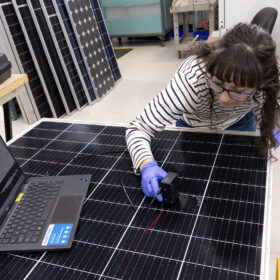
House bill would channel $3.5 billion to domestic solar manufacturing
The act would boost investment in U.S. solar manufacturing.

Oregon regulators ease community solar guidelines
Community solar development is set to accelerate as the program full capacity allotment is now available. Low-income customers have had their discount doubled.
Sunrise brief: Solar manufacturer expands to the U.S.
Also on the rise: Texas is urged once again to winterize its energy infrastructure, and work starts on an 80 MW BTM solar array.

Report calls on Texas…again…to winterize its energy infrastructure
The FERC/NERC assessment pointed to freezing of generator components and fuel issues as the top two major causes of generator outages, derates, or failures to start during the February 2021 winter storm.
SEIA warns that tariffs could jeopardize one-third of solar projects by 2023
Anti-dumping tariffs would jeopardize 18 GW of solar projects by 2023, the SEIA said in a letter to the Commerce Department.
Delaware Gov. signs bill easing community solar access
SB 2 removes a series of barriers that have prevented community solar growth in Delaware, while also making it easier for low-income residents to access community solar.
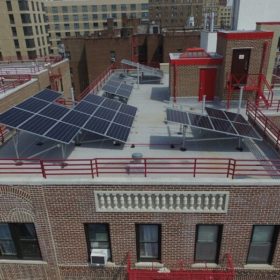
Sunrise brief: 10 GW of distributed solar by 2030, NY governor says
Also on the rise: Top Gun energy storage project enters service, Broad Reach buys batteries from Chinese manufacturer, and a solar/battery delivery van with 400km range.