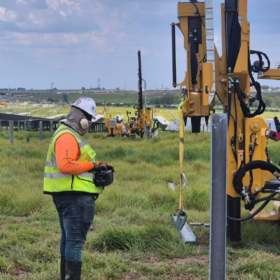
Xpanner launches robotic automation kit to retrofit solar pile drivers
The U.S. startup offers a new kit to integrate robotic automation with existing equipment.

In case you missed it: Six big solar stories in the news this week
pv magazine USA spotlights news of the past week including market trends, project updates, policy changes and more.
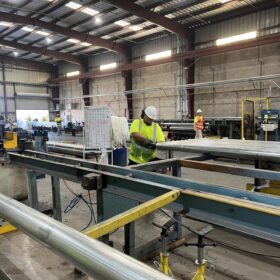
The steel supply crunch threatening U.S. solar ambitions
With U.S. domestic steel mills booked solid through 2025, a sudden doubling of tariffs on imported steel has created a critical bottleneck for American industries. The move, which hits specialized Indian steel particularly hard, is now delaying projects for builders and renewable energy developers who rely on steady, affordable supply.

A tightened U.S. solar trade environment
Tariffs, foreign content restrictions, and antidumping and countervailing duty investigations have reshaped the landscape for imports of solar components and manufactured products.

New wave of funding powers U.S. battery tech and projects
XL Batteries has secured backing to commercialize flow battery systems which use an organic electrolyte, rather than vanadium, and two utility-scale developers have landed extensive credit lines.
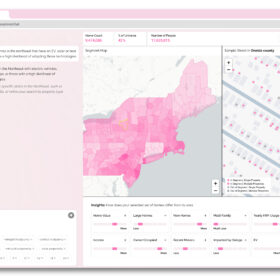
Startup launches AI-based home solar and electrification customer acquisition platform
AI startup 257’s targeted market intelligence cuts costs for the residential solar and electrification industry, a market that it said spends an estimated $20-billion-plus annual marketing.
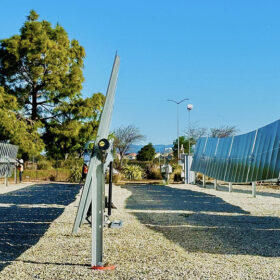
Hail damage to solar projects: 1% of filed claims, but over 50% of total losses
Hail damage has become a real headache for project developers in the United States, where growing deployment has increased exposure to weather-related risk. As project owners seek to limit the impact of hail on their bottom line, innovations in tracking systems and insurance can help.

State solar policy on the frontlines
For a couple months every two years, every state’s legislative session align, and this year, energy policy dominated many states’ sessions. In regulated energy markets, advocacy groups crusaded against utilities that were relentless to not lose any of their monopoly share to clean energy.
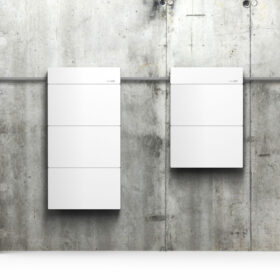
SolarEdge unveils all-in-one residential inverter and clickable modular battery system
The stackable battery ranges 4.9 kWh to 19.6 kWh per unit while the inverter is available in ranges from 3.8 kW to 13 kW. The company also introduced a meter socket adapter to avoid triggering costly main panel upgrades.
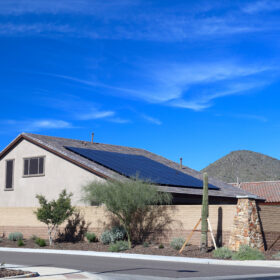
How rooftop solar can complicate residential real estate transactions
Many homeowners assume leased or loaned solar systems will boost their home’s value, but outstanding loans often drag down equity instead.