Emiliano Bellini

Silver prices resume upward trend
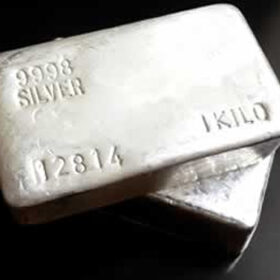
Silver prices have resumed their climb, reaching $95 per ounce this morning. Silver analyst Philip Newman tells pv magazine that escalating tensions in the Middle East are expected to continue driving investment demand for safe-haven assets such as gold and silver.

U.S. government sets preliminary countervailing duties on solar imports from India, Indonesia and Laos
The U.S. Department of Commerce has issued preliminary findings that solar manufacturers in India, Indonesia and Laos benefited from government subsidies, paving the way for countervailing duties of up to 143.30%.

Mexico could become data center hub, but clean power lags behind
Mexico is attracting US data centers seeking faster power connections, but these facilities will initially rely on firm gas generation from the Comisión Federal de Electricidad (CFE), with renewables as a potential future option, Mexican energy expert Santiago Barcón told pv magazine.
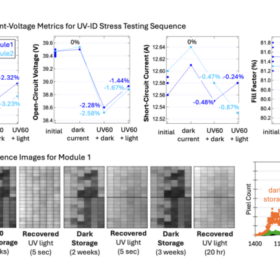
NREL researchers quantify UV-induced degradation levels in TOPCon solar cells
Researchers at NREL found that UV exposure can cause significant, partly non-recoverable degradation in TOPCon solar cells, with strong cell-to-cell and intra-cell variability linked to passivation and processing inconsistencies. While some UV-related losses recover quickly under light and are unlikely to affect field performance, the findings highlight gaps in current qualification tests and the need for improved UV aging standards.
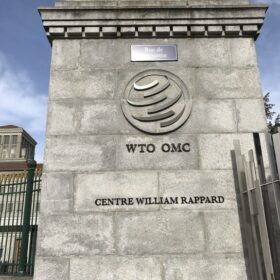
WTO rules U.S. clean energy tax credits violate trade rules
The WTO ruled that U.S. clean energy tax credits under the Inflation Reduction Act violate international trade rules by giving domestic products preferential treatment over Chinese goods. The decision specifically targets the ITC and PTC Domestic Content Bonus Credits.
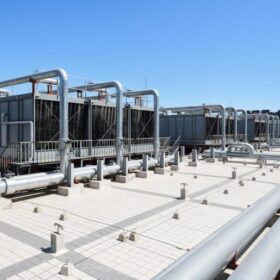
Solar-plus-storage for data centers: not a simple switch
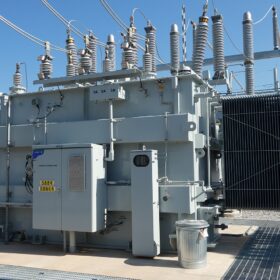
Renewables and storage could reliably power data centers, but success requires active grids, coordinated planning, and the right mix of technologies. Hitachi Energy CTO, Gerhard Salge, tells pv magazine that holistic approaches ensure technical feasibility, economic viability, and energy system resilience.
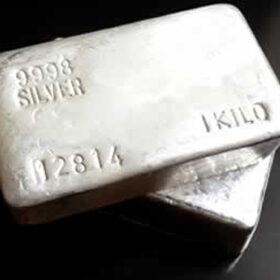
Analysts warn of possible, sudden silver price fall
pv magazine has spoken with silver analysts from Bloomberg and StoneX about the vertiginous growth of silver prices in recent weeks. They both agree that when prices rise too fast, investors’ behavior may change quickly. Meanwhile, the price of the precious metal has reached another all-time high today at $110 per ounce.
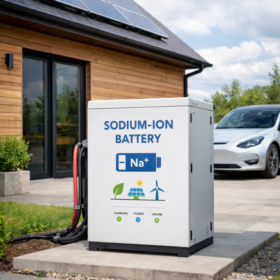
New design specifications for sodium-ion batteries
U.S. scientists used density functional theory to reveal how sodium ions are stored in nanoporous carbon anodes for sodium-ion batteries, identifying dual ionic and metallic storage mechanisms within the pores. Their findings provide practical design guidelines to improve battery voltage, safety, and commercial viability for stationary energy storage.

Tesla offers new all-black solar module for residential applications
The launch of the new product suggests Tesla could renew its focus on residential solar and expand U.S. lease options with Powerwall.

Canadian Solar wins U.S. patent litigation against Maxeon
The patent infringement case was related to an unspecified TOPCon solar cell technology.