Emiliano Bellini

WTO rules U.S. clean energy tax credits violate trade rules
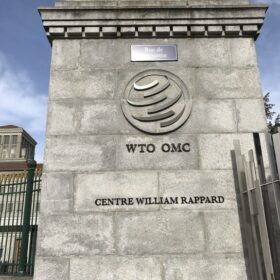
The WTO ruled that U.S. clean energy tax credits under the Inflation Reduction Act violate international trade rules by giving domestic products preferential treatment over Chinese goods. The decision specifically targets the ITC and PTC Domestic Content Bonus Credits.
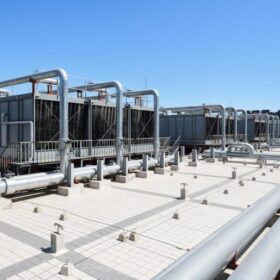
Solar-plus-storage for data centers: not a simple switch
Renewables and storage could reliably power data centers, but success requires active grids, coordinated planning, and the right mix of technologies. Hitachi Energy CTO, Gerhard Salge, tells pv magazine that holistic approaches ensure technical feasibility, economic viability, and energy system resilience.
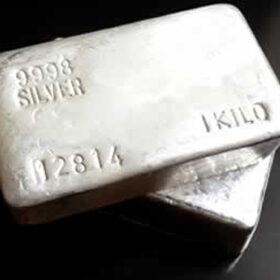
Analysts warn of possible, sudden silver price fall
pv magazine has spoken with silver analysts from Bloomberg and StoneX about the vertiginous growth of silver prices in recent weeks. They both agree that when prices rise too fast, investors’ behavior may change quickly. Meanwhile, the price of the precious metal has reached another all-time high today at $110 per ounce.
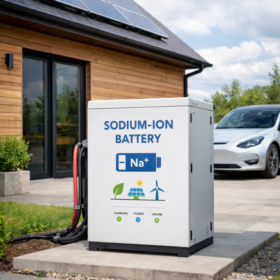
New design specifications for sodium-ion batteries
U.S. scientists used density functional theory to reveal how sodium ions are stored in nanoporous carbon anodes for sodium-ion batteries, identifying dual ionic and metallic storage mechanisms within the pores. Their findings provide practical design guidelines to improve battery voltage, safety, and commercial viability for stationary energy storage.

Tesla offers new all-black solar module for residential applications
The launch of the new product suggests Tesla could renew its focus on residential solar and expand U.S. lease options with Powerwall.

Canadian Solar wins U.S. patent litigation against Maxeon
The patent infringement case was related to an unspecified TOPCon solar cell technology.
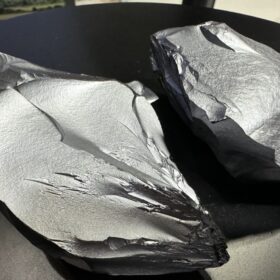
China extends anti-dumping duties on solar-grade silicon from U.S.
The duties range from 53.3% to 57% for U.S. producers and from 2.4% to 48.7% for South Korean companies and will remain in force for a further five years.
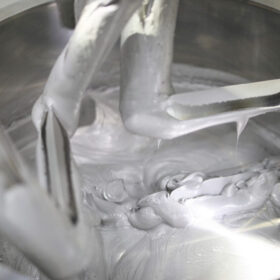
Solar module prices lagging behind soaring silver costs
Solar manufacturers are facing rising cost pressure as silver paste now accounts for up to 30% of total cell production costs. OPIS analyst Hanwei Wu tells pv magazine that module producers currently have limited ability to raise panel final prices, which is accelerating efforts to reduce silver use across all mainstream cell technologies.
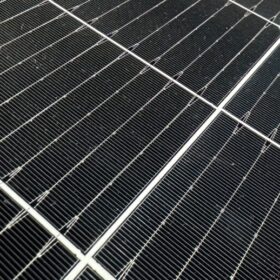
Solar module efficiency could exceed 35% by 2050
A new Perspectives research study on the future of the global PV supply chain outlines how module prices, performance, and lifetimes could evolve over the next 25 years. The work reflects a collaboration among leading solar research institutions worldwide. One of the study’s authors, the director of the Fraunhofer Institute for Solar Energy Systems (ISE), told pv magazine that solar module and cell efficiencies could exceed 35% by 2050, with panel prices expected to drop by a factor of two.

Quilt launches 3-zone ductless heat pump for residential applications
U.S. startup Quilt has introduced a new three-zone ductless heat pump for residential use, offering independent temperature control across three areas with a single outdoor unit. The system uses R32 (difluoromethane) as the refrigerant and can reportedly achieved a coefficient of performance of 4.2 at 8 C.