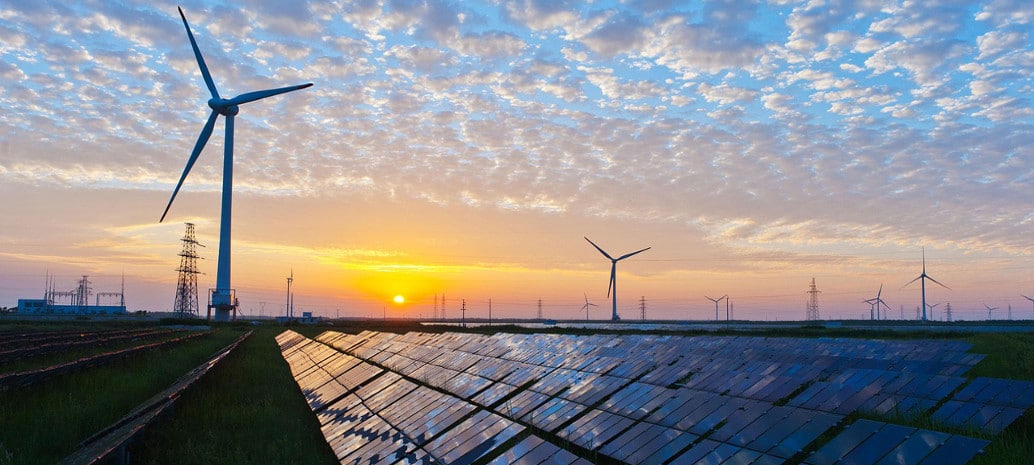





The United States power sector is entering a new era, one defined less by ambitious decarbonization targets and more by the practical realities of powering an electrified, data-intensive economy. Electricity demand is rising fast, and states, utilities, and regulators are now attempting to balance existing goals with the realities of rapidly rising demand.
For years, the national conversation around decarbonization focused largely on replacing fossil fuels with renewable energy. But according to the North Carolina Clean Energy Technology Center’s DSIRE 50 States of Power Decarbonization: Q1 2026 Quarterly Report, the challenge facing utilities and regulators today is far more complex. States are now balancing three priorities simultaneously: emissions reductions, grid reliability, and explosive demand growth. That balancing act is increasingly shaping utility planning, state legislation, and infrastructure investment decisions across the country.

In the first quarter of 2026 alone, 49 states and Puerto Rico took 509 actions related to electric power decarbonization, utility resource planning, and large-load customer treatment. The most common actions involved electric generation capacity changes, large-load customer policies, and studies investigating future grid needs. The sheer volume of activity reflects how rapidly the energy transition is evolving. While states continue to pursue long-term clean energy goals, many are simultaneously confronting immediate concerns about reliability, affordability, and infrastructure readiness.
Load growth
Data centers, advanced manufacturing facilities, and other large electricity consumers are dramatically reshaping utility forecasts. The DSIRE report identifies large-load customers as one of the most significant emerging forces shaping decarbonization planning nationwide. Utilities are now preparing for electricity demand increases that, according to Wood Mackenzie, is projected to grow by 2.9% through 2035.
That pressure is already changing how states approach cost allocation and rate design. Across the country, lawmakers are advancing policies to ensure that residential and small-business customers do not subsidize the infrastructure needed to serve hyperscale energy users.
Florida lawmakers passed legislation requiring large-load tariffs that ensure participating customers bear the full cost of service. Similar measures emerged in Alabama, South Dakota, Idaho, and Oklahoma, where regulators were directed to evaluate whether utility contracts with large-load customers adequately protect existing ratepayers.
North Carolina’s Energy Policy Task Force similarly focused its recommendations on managing large-load growth, including proposals related to large-load tariffs, flexible demand structures, interconnection reforms, advanced transmission technologies, and “bring your own capacity” programs.
The trend mirrors broader developments unfolding throughout the power sector. Utilities and grid operators are increasingly viewing electricity demand from AI infrastructure and data centers as a defining issue for long-term system planning. These facilities require massive quantities of around-the-clock electricity, often on accelerated development timelines that strain traditional generation and transmission planning cycles.
Utilities are simultaneously adding record levels of renewable energy and storage capacity. Among integrated resource plans reviewed during Q1 2026, utilities proposed more than 58 GW of solar generation, over 30 GW of energy storage, and more than 22 GW of wind capacity additions. Solar represented the single largest planned resource addition overall.
Those figures align with broader national deployment trends. Solar and storage are expected to account for the overwhelming majority of new U.S. generating capacity additions in 2026 as utilities seek scalable resources that can be deployed relatively quickly.
Natural gas and nuclear
During Q1 2026, planned natural gas additions nearly matched solar additions, totaling approximately 55 GW. This dual-track strategy reflects growing concern about reliability as demand rises and coal retirements accelerate. Utilities continue retiring legacy fossil generation—planned coal retirements totaled nearly 31 GW during the quarter—but natural gas is used to provide dispatchable capacity and maintain reliability during periods of peak demand or periods of renewable intermittency.

The findings underscore how the energy transition has evolved from a straightforward challenge of deploying renewables into a broader infrastructure transformation effort.
The DSIRE report notes that transmission access limitations, interconnection backlogs, permitting hurdles, supply chain constraints, and project timelines are all affecting the pace and feasibility of decarbonization efforts. Policymakers are also increasingly focused on affordability impacts, particularly for low-income households and small businesses. That operational focus is becoming just as important as emissions targets.
Nuclear energy is also re-emerging in the conversation, although, as demonstrated by Fig. 2, it has long been a major contributor to state electric generation, particularly in the eastern U.S. During Q1 2026, legislators and governors in eight states—Georgia, Illinois, Iowa, Missouri, New Hampshire, New Jersey, and Virginia—launched studies or task forces focused on advanced nuclear technologies, including small modular reactors and fusion energy.

These efforts reflect growing interest in firm, carbon-free resources capable of supporting 24/7 electricity demand. Policymakers are exploring regulatory reforms, safety considerations, and deployment pathways for next-generation nuclear technologies as states search for reliable decarbonization solutions.
State policy directions diverge
Arizona repealed its renewable energy standard in March 2026, eliminating requirements that utilities obtain 15% of retail electricity from renewable resources. Meanwhile, Virginia moved to rejoin the Regional Greenhouse Gas Initiative after withdrawing from the multi-state carbon trading program several years earlier.
The contrasting decisions highlight the increasingly regional nature of U.S. decarbonization policy. Resource availability, political leadership, economic priorities, and utility structures are all shaping different transition pathways across the country. Still, despite differing approaches, one broader trend is clear: decarbonization activity is not slowing down, it is just becoming much more operationally complex.
Utilities are no longer planning for an era of flat electricity demand. They are preparing for a future in which electrification, AI infrastructure, manufacturing growth, and economic development place unprecedented pressure on the grid simultaneously.
The views and opinions expressed in this article are the author’s own, and do not necessarily reflect those held by pv magazine.
This content is protected by copyright and may not be reused. If you want to cooperate with us and would like to reuse some of our content, please contact: editors@pv-magazine.com.

By submitting this form you agree to pv magazine using your data for the purposes of publishing your comment.
Your personal data will only be disclosed or otherwise transmitted to third parties for the purposes of spam filtering or if this is necessary for technical maintenance of the website. Any other transfer to third parties will not take place unless this is justified on the basis of applicable data protection regulations or if pv magazine is legally obliged to do so.
You may revoke this consent at any time with effect for the future, in which case your personal data will be deleted immediately. Otherwise, your data will be deleted if pv magazine has processed your request or the purpose of data storage is fulfilled.
Further information on data privacy can be found in our Data Protection Policy.