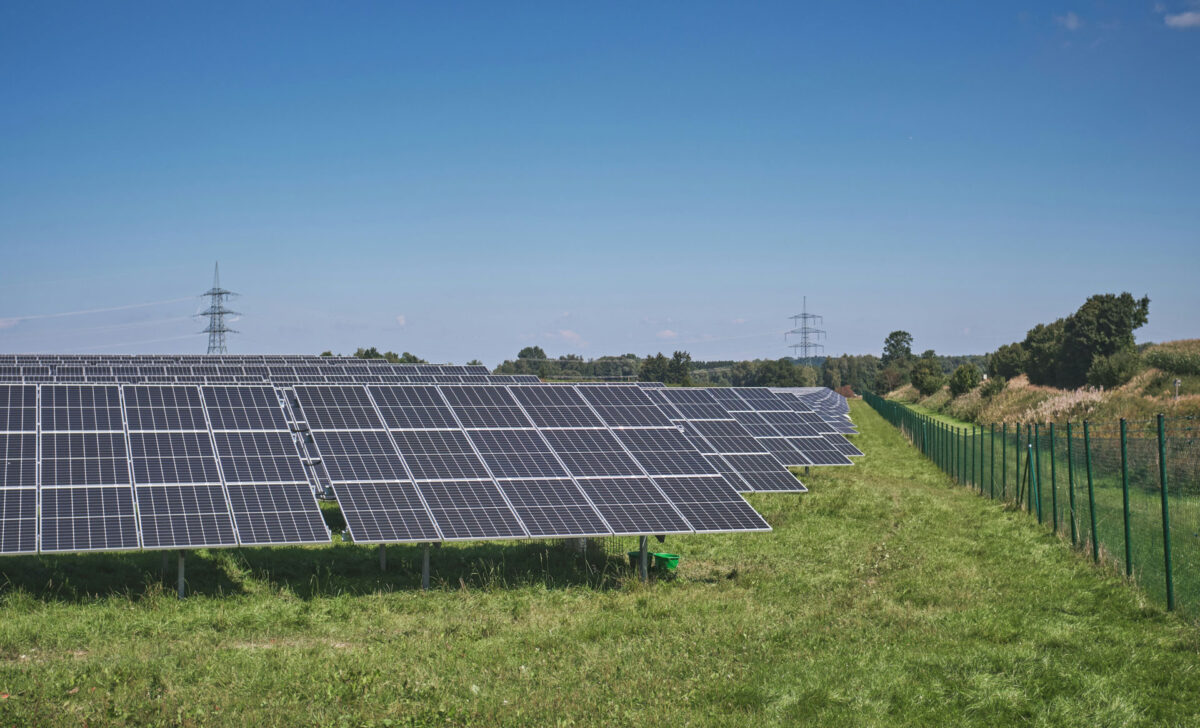





The solar and energy storage industry is facing a mismatch where the technology is cheaper and faster to deploy than ever, yet projects are stalling at an unprecedented rate due to local friction.
As electricity demand skyrockets by a forecast 3% annually through 2027 propelled by the massive expansion of artificial intelligence and data centers, the need for rapid generation is urgent.
While solar and storage are the most cost effective and quickest assets to build, they are increasingly hitting a wall of local opposition and restrictive zoning that threatens to derail national energy affordability and grid reliability. This is explored in a white paper titled A Win-Win Solution for Clean Energy Siting which draws on research by David E. Adelman, the Harry Reasoner Regents Chair in Law at the University of Texas at Austin School of Law, and the Siting Solutions Project.
According to recent data, roughly 20% to 24% of local governments have already adopted moratoriums or bans on renewable energy development. Resistance often stems from a breakdown in how current policy frameworks manage the relationship between developers and host communities. To unlock the gigawatts of capacity currently trapped in permitting purgatory, state policymakers and developers must pivot toward integrated legal tools that provide community benefits while ensuring regulatory certainty.
A significant hurdle is the relatively invisible nature of renewable energy benefits. Unlike the high visibility employment surges associated with fossil fuel extraction, a 200 MW wind or solar project typically generates fewer direct long term jobs, and the resulting tax revenue often disappears into general county budgets without residents ever noticing a difference in their daily lives.
Furthermore, constitutional constraints like the Takings Clause often prevent local governments from demanding the very infrastructure improvements, such as new schools or healthcare facilities, that would make a project palatable to residents.
The white paper says the solution lies in three key policy levers, starting with Payments in Lieu of Taxes (PILOTs). These allow developers to trade variable, assessment-based property taxes for stable, flexible payments that make the economic benefits of clean energy projects visible and tangible to local communities. This provides financial certainty for the project while allowing communities to direct funds toward high impact, visible local priorities that standard tax structures cannot easily accommodate.
Development Agreements offer an even more robust path forward by establishing contractual frameworks that give developers early regulatory certainty in exchange for negotiated community benefits. Because these are independent contracts rather than permit conditions, they bypass constitutional limits and enable earlier, more meaningful engagement with local stakeholders.
In exchange for funding specific community needs, developers receive the regulatory certainty they need most: a guarantee that zoning requirements will be frozen for 5 to 20 years, eliminating the risk of late stage project cancellations.
Finally, the white paper says the Safety Net model serves as a hybrid siting approach that preserves local permitting as the default while providing a state level backstop to prevent bad faith obstruction.
Under this framework, local governments maintain their authority to review and approve projects provided they act within a reasonable timeframe and apply objective standards. However, if a local authority fails to act or rejects a project that meets all state-defined environmental and safety benchmarks, the developer gains the right to appeal to a state commission.
Michigan’s 2023 siting law is a leading example of this approach, balancing community input with the technical necessity of deploying utility scale solar and storage. By creating a clear path for state level intervention only when local processes break down, the model incentivizes municipalities to negotiate in good faith rather than resorting to blanket bans.
When these tools are used together, they transform the siting process from a binary “take it or leave it” conflict into a negotiation where both the industry and the host community can win.
This content is protected by copyright and may not be reused. If you want to cooperate with us and would like to reuse some of our content, please contact: editors@pv-magazine.com.



By submitting this form you agree to pv magazine using your data for the purposes of publishing your comment.
Your personal data will only be disclosed or otherwise transmitted to third parties for the purposes of spam filtering or if this is necessary for technical maintenance of the website. Any other transfer to third parties will not take place unless this is justified on the basis of applicable data protection regulations or if pv magazine is legally obliged to do so.
You may revoke this consent at any time with effect for the future, in which case your personal data will be deleted immediately. Otherwise, your data will be deleted if pv magazine has processed your request or the purpose of data storage is fulfilled.
Further information on data privacy can be found in our Data Protection Policy.