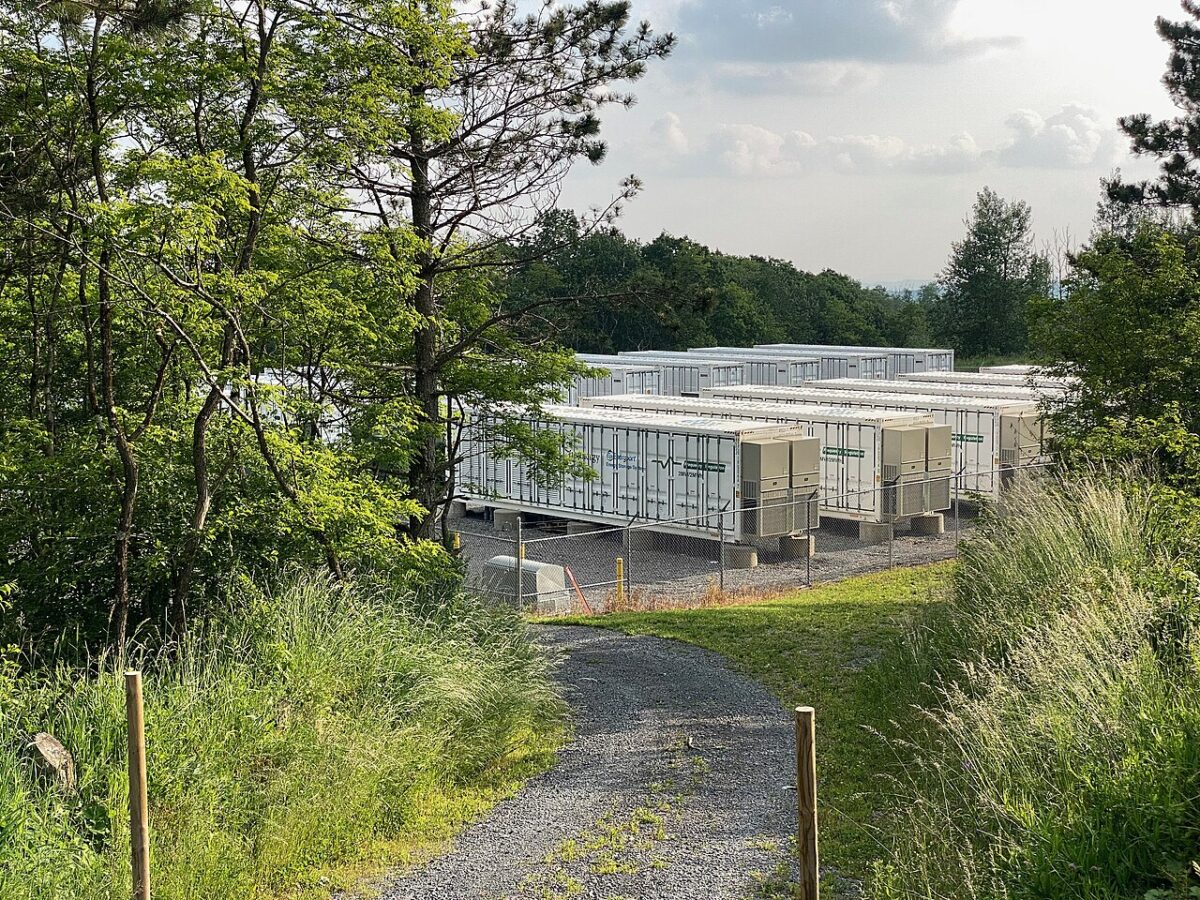





A wave of local pushback and new bans is forcing battery energy storage system developers to change their strategy. Shawn Shaw, the founder and chief executive officer of Camelot Energy Group, told pv magazine USA developers are increasingly focused on securing permits for projects.
One out of every four communities now has some kind of rule or ban that slows down clean energy projects. Shaw said he has noticed that developers can no longer take for granted that they will get a permit. He says that “permitting approvals are no longer assumed in development and have now moved up to the top 2 or 3 stage gates in the development process.” If you can’t get the neighbors on board, the project doesn’t exist.
The market is already reacting to this new reality with hard cash. Data from Enerdatics shows a huge gap in what projects are worth. The price for a project in the very early stages has dropped significantly. Such projects used to sell for up to $20,000 per MW, but now they often go for less than $10,000. On the flip side, projects that have already finished the permitting process are more valuable than ever. Their price has jumped by about $20,000 per MW because the hardest work is already done.
Shaw warns that “too many developers rush the process and try to get approvals before the community knows what’s happening.” Even if a developer wins once using these tactics, it makes it nearly impossible for the next company to build in that area.
Smart developers are now starting their outreach much earlier, said Shaw. They are talking to locals six months to a year before they even turn in a permit application. This might mean helping the town write its own rules for batteries or holding open meetings to answer questions.
Shaw says the vibe of the meeting matters more than people think. He suggests that “the moment the developer acts like an out-of-town bigshot trying to take advantage of the community for a quick buck, they have lost the thread.”
To win people over, developers are using Community Benefit Agreements. These go way beyond just paying local taxes. These deals often include money for the town to hire its own experts to check the project. They also include training for local fire departments and payments to neighbors for any inconvenience. It is about proving that the developer is going to be a good neighbor for the long haul.
Safety is still the biggest reason people fight these projects. Shaw says that battery fires are actually very rare. They happen in about 0.3% of systems every year. That is about the same rate as fires in houses. But the public doesn’t see it that way. Most people only hear about the few big fires that make the national news, like the fires at Moss Landing in California.
Shaw said developers need to show that these systems are built to fail safely inside their containers. He says developers should “work with high-quality suppliers who have completed large-scale fire testing” and be ready to answer tough questions with real depth.
As the industry grows, the winners will be the companies that can talk to communities with honesty and clear facts, said Shaw.
This content is protected by copyright and may not be reused. If you want to cooperate with us and would like to reuse some of our content, please contact: editors@pv-magazine.com.




By submitting this form you agree to pv magazine using your data for the purposes of publishing your comment.
Your personal data will only be disclosed or otherwise transmitted to third parties for the purposes of spam filtering or if this is necessary for technical maintenance of the website. Any other transfer to third parties will not take place unless this is justified on the basis of applicable data protection regulations or if pv magazine is legally obliged to do so.
You may revoke this consent at any time with effect for the future, in which case your personal data will be deleted immediately. Otherwise, your data will be deleted if pv magazine has processed your request or the purpose of data storage is fulfilled.
Further information on data privacy can be found in our Data Protection Policy.