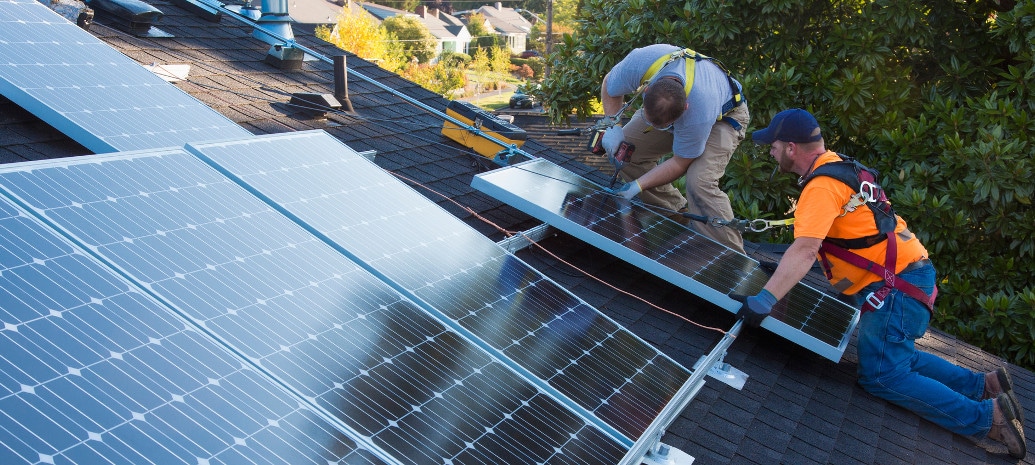





New York Attorney General Letitia James has launched a massive legal action against the solar installation company Attyx, its executive leadership, and lending partners Solar Mosaic and WebBank.
The lawsuit claims the defendants orchestrated a $275 million fraudulent scheme that systematically targeted senior citizens and low-income homeowners across New York. According to the complaint filed in State Supreme Court, the company utilized deceptive marketing to convince residents they were qualifying for “free” government-funded solar panels and emergency roof repairs.
The core of the alleged fraud involved a high-pressure sales process where representatives used electronic tablets to bypass consumer review of financial documents. Homeowners frequently reported being told they were signing simple “interest forms” or “eligibility checks,” only to later discover they had been signed up for massive long-term loans.
Many of these victims were on fixed incomes and found themselves burdened by monthly payments that far exceeded their total utility bills, despite promises that the solar systems would eliminate their energy costs entirely.
Beyond the initial sales tactics, the Attorney General highlights a blatant disregard for state regulatory authority. The investigation reveals that Attyx continued to solicit and install systems even after the New York Public Service Commission revoked its operating license in late 2025. To circumvent this ban, the company reportedly rebranded its operations under various names, including “LGCY Power,” to continue funneling consumers into predatory lending agreements with WebBank and Solar Mosaic.
The state is currently seeking a permanent injunction to bar the company from the solar and home improvement industries in New York.
Furthermore, the Office of the Attorney General is demanding full restitution for affected consumers, the cancellation of all existing fraudulent loan agreements, and the payment of significant civil penalties. The litigation marks one of the most substantial consumer protection actions ever taken against a residential solar provider, signaling a period of intense regulatory oversight for the clean energy financing sector.
This content is protected by copyright and may not be reused. If you want to cooperate with us and would like to reuse some of our content, please contact: editors@pv-magazine.com.


By submitting this form you agree to pv magazine using your data for the purposes of publishing your comment.
Your personal data will only be disclosed or otherwise transmitted to third parties for the purposes of spam filtering or if this is necessary for technical maintenance of the website. Any other transfer to third parties will not take place unless this is justified on the basis of applicable data protection regulations or if pv magazine is legally obliged to do so.
You may revoke this consent at any time with effect for the future, in which case your personal data will be deleted immediately. Otherwise, your data will be deleted if pv magazine has processed your request or the purpose of data storage is fulfilled.
Further information on data privacy can be found in our Data Protection Policy.