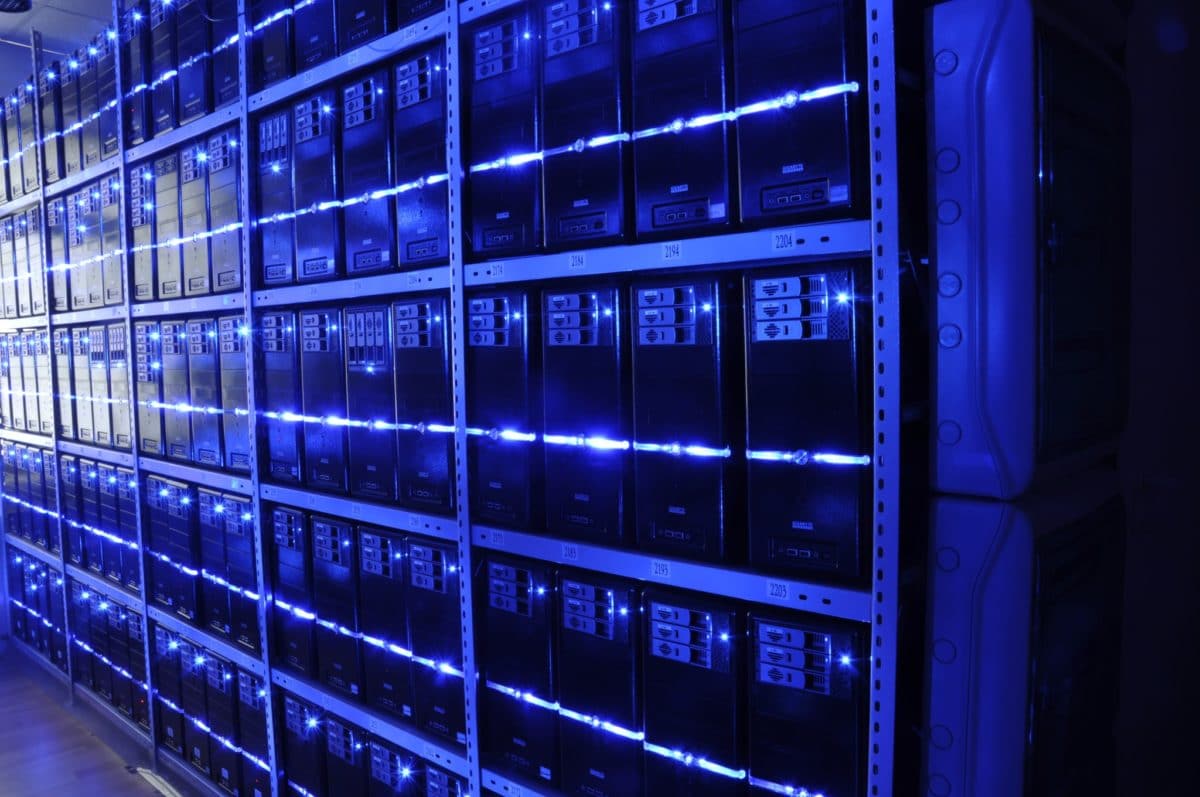





AI data center expansion is hitting a physical and thermal ceiling as legacy AC-powered infrastructure fails to meet the density demands of next-generation GPU racks.
As operators prioritize maximizing usable compute per megawatt of grid capacity, the traditional AC power chain has emerged as a critical efficiency bottleneck, said a whitepaper from SolarEdge. Standard AC-powered systems impose a conversion “tax”, wasting between 10% and 30% of input power through multiple conversion stages. The inefficiency is amplified by the scale of upcoming AI workloads, with racks like Nvidia’s Rubin Ultra expected to approach 1 MW each.
SolarEdge’s whitepaper introduced a five-stage maturity framework to transition the industry from legacy AC setups to an integrated DC-native solution. While intermediate stages like white space retrofits or hybrid power distribution offer incremental improvements, they retain the complexity and footprint of legacy components. The Stage 4 integrated architecture connects medium voltage lines directly to a DC bus. This approach eliminates redundant AC-DC-AC conversion cycles and step-down transformers, aiming for a total system efficiency of up to 98%.
Key to the Stage 4 platform is a high-efficiency solid state transformer capable of interfacing directly with 34.5 kV lines. By delivering stabilized 800V to 1500V DC directly to the racks, the system minimizes conversion losses and reclaims power previously lost to heat, said the whitepaper.
The reclaimed capacity allows operators to deploy additional compute within the same utility envelope, transforming electrical efficiency into a revenue driver. The platform also integrates a native DC-UPS for peak shaving and intelligent distribution layers for real-time fault isolation.
Enteligent is also pursuing high-voltage DC architectures to bypass grid bottlenecks. The company argues that shifting the conversion point closer to the source and utilizing DC-coupled solar and storage can reduce equipment costs and footprint while improving reliability. The approach aligns with the broader industry move toward eliminating the AC-DC conversion stages that currently limit the speed and density of AI infrastructure deployments.
SolarEdge is leveraging two decades of DC power electronics experience and a 60 GW global track record to scale this infrastructure. The technology utilizes modular 2 MW to 5 MW units with cell-level redundancy to ensure maximum uptime. As grid connection capacity remains the gating factor for data center expansion, 800V DC distribution is becoming a necessity for megawatt-scale deployments.
This content is protected by copyright and may not be reused. If you want to cooperate with us and would like to reuse some of our content, please contact: editors@pv-magazine.com.





By submitting this form you agree to pv magazine using your data for the purposes of publishing your comment.
Your personal data will only be disclosed or otherwise transmitted to third parties for the purposes of spam filtering or if this is necessary for technical maintenance of the website. Any other transfer to third parties will not take place unless this is justified on the basis of applicable data protection regulations or if pv magazine is legally obliged to do so.
You may revoke this consent at any time with effect for the future, in which case your personal data will be deleted immediately. Otherwise, your data will be deleted if pv magazine has processed your request or the purpose of data storage is fulfilled.
Further information on data privacy can be found in our Data Protection Policy.