





The U.S. energy storage sector underwent a massive structural shift in 2025, moving from a niche reliability tool to an indispensable asset for meeting surging power demand.
According to the inaugural Energy Storage Market Outlook from the Solar Energy Industries Association (SEIA) and Benchmark Mineral Intelligence, the industry added 57 GWh of capacity last year, enough to power 5.1 million homes, setting a record that is expected to be eclipsed again by the end of 2026.
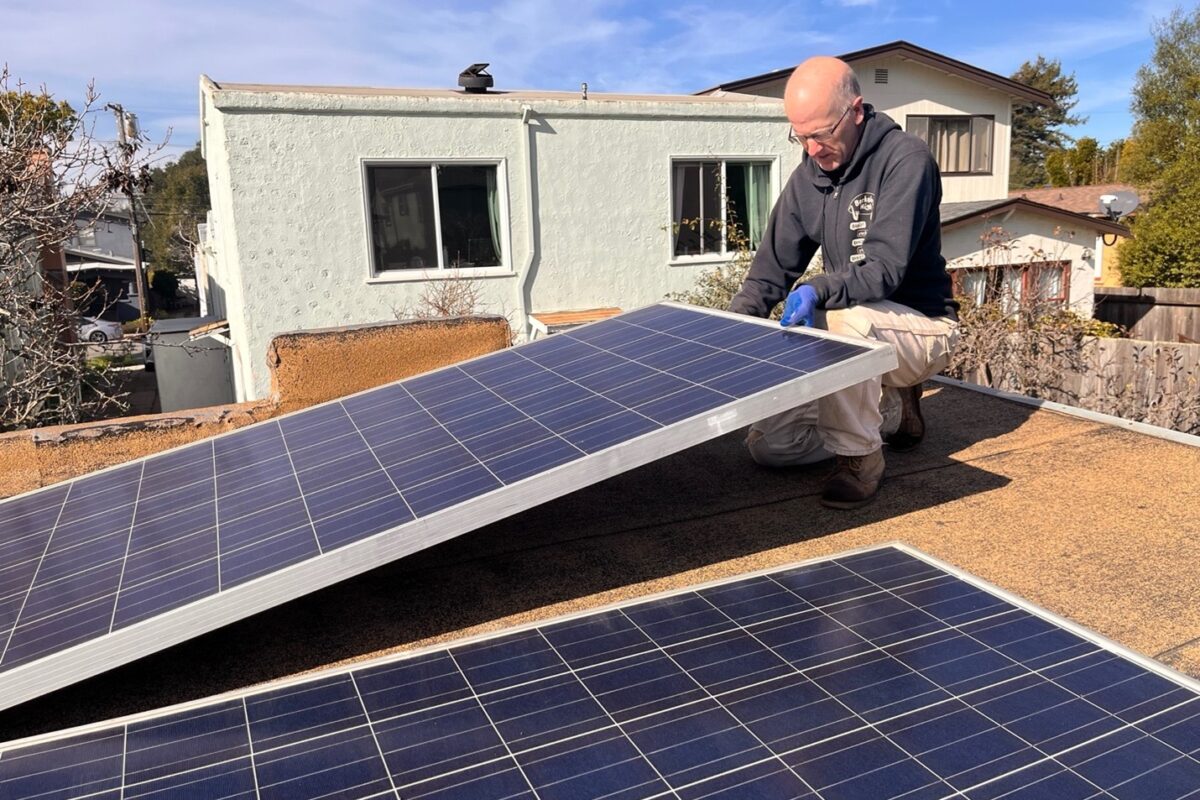
- Residential resilience Home battery capacity grew by more than 50% in 2025 as homeowners prioritized backup power and bill management. SEIA expects this market to expand by another 120% by 2030, fueling the rise of Virtual Power Plants (VPPs) that allow grid operators to aggregate distributed batteries to meet peak demand.
- Data centers drive C&I demand The race for artificial intelligence is hitting a bottleneck in available grid power. Commercial and industrial storage installations jumped 42% last year, largely responding to data center needs. As gas turbine shortages delay traditional generation, developers are increasingly pairing storage with solar to secure power on timelines that match the speed of tech innovation.
- Solar-plus-storage goes mainstream In the utility-scale sector, 20 GWh of new storage is now directly paired with solar. This pairing allows the grid to soak up zero-fuel-cost energy during the day and dispatch it when the sun sets, a trend SEIA notes is critical for stabilizing electricity rates and reducing reliance on volatile commodity markets.
- Deployment in Red states Energy storage remains a bipartisan infrastructure win despite national political rhetoric. SEIA reports that two-thirds of all new storage capacity in 2025 was built in states won by President Trump, aligning with polling that shows voters across the spectrum support storage to strengthen energy security and boost domestic manufacturing.
- Record-breaking growth trajectory While 2025 was a landmark year, the forecast remains aggressive. The industry is projected to add 70 GWh in 2026, with cumulative installations potentially surpassing 600 GWh by 2030 as the U.S. power sector prioritizes flexibility over simple capacity.
Five trends for storage
Wood Mackenzie also predicted five market trends for energy storage as the market surpasses 100 GW.
- Supply chain shift: Developers are diversifying beyond China to meet FEOC requirements; system prices are expected to stabilize by H2 2026.
- Grid-forming tech: Inverters that provide voltage and frequency stability are becoming a standard requirement rather than an optional feature.
- Non-lithium scaling: Sodium-ion and flow batteries are gaining “bankability” in Europe and the UK as long-duration needs grow.
- The AI load: Data centers are co-locating storage to manage massive “training loads” that jump to 90% capacity in milliseconds.
- Global hybridization: Over half of all storage projects announced in 2025 were paired with solar or wind to mitigate curtailment risks.
This content is protected by copyright and may not be reused. If you want to cooperate with us and would like to reuse some of our content, please contact: editors@pv-magazine.com.




By submitting this form you agree to pv magazine using your data for the purposes of publishing your comment.
Your personal data will only be disclosed or otherwise transmitted to third parties for the purposes of spam filtering or if this is necessary for technical maintenance of the website. Any other transfer to third parties will not take place unless this is justified on the basis of applicable data protection regulations or if pv magazine is legally obliged to do so.
You may revoke this consent at any time with effect for the future, in which case your personal data will be deleted immediately. Otherwise, your data will be deleted if pv magazine has processed your request or the purpose of data storage is fulfilled.
Further information on data privacy can be found in our Data Protection Policy.