




There is a familiar pattern at the end of a PV module’s life. A project gets repowered, decommissioned, or damaged by a natural disaster. The operator hires a recycler. A truck arrives, stacks of modules get loaded, a bill of lading is signed and everyone breathes a small sigh of relief. In the project file, someone notes that the equipment went for recycling. In sustainability reports and investor slide decks, that often becomes “our modules are responsibly recycled at end of life.”
What happens next matters. PV modules contain materials that carry real environmental and economic weight. Some, such as antimony and other trace elements, pose environmental risks if mishandled. Others, including silver, copper, and silicon, come from energy-intensive mining and processing. When modules do not enter genuine recycling streams, those materials are effectively lost.
Most developers, asset owners and even many procurement teams rarely see where modules go when the truck leaves the site.
Processing path
A retired module can pass through several hands. A hauler moves pallets off site, an aggregator combines modules from many projects, a dismantler strips easy value like aluminum frames and junction boxes. Only sometimes do materials end up with a specialized processor to recover glass, metals, and other materials at scale.
At each step, paperwork can still say “recycling,” even if most of the laminate ends up as mixed waste or landfill. There is an invoice and a reassuring certificate on the owner’s desk, but what happened to the module remains unclear.
Third-party verification has therefore become more important for module recycling. Audits that examine mass balance, facility operations, environmental controls, and greenhouse gas accounting offer a way to validate outcomes beyond what a contract alone can show.
Recovery reality
It comes down to one question: how much of the module’s material returns to use?
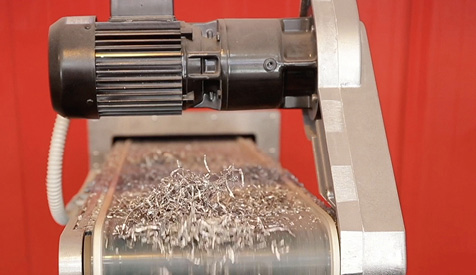
A crystalline-silicon module consists mainly of aluminum, glass, metals (including copper and silver), silicon cells, and polymer layers. In a genuine recycling process, after frames and junction boxes come off the module, glass is also separated, metals are recovered in measurable quantities, and even cell materials can be reclaimed with the right processes.
A recycling-in-name-only process sees workers pull the frame, extract obvious scrap, and send the remaining laminate to be shredded and landfilled, or mixed into low-grade fill.
These two outcomes can look almost identical on a contract or certificate but are dramatically different in terms of material recovery. The difference determines whether toxic materials get buried and whether high-value inputs ever make it back to manufacturing.
Positive pressure is building. Producer-responsibility rules and e-waste directives in Europe already treat PV as something that must be managed at end of life. The landscape is patchier in North America, but state-level programs, hazardous-waste interpretations, and tighter landfill rules keep expanding.
Capital providers are also digging deeper. Lenders, tax equity, and infrastructure funds increasingly want to know what happens at end of life.
Rising scrutiny
A one-page certificate rarely answers key questions such as how much glass was recovered or what happened to the laminates. To sort through recycler claims, it is helpful to think less like a buyer and more like an auditor.
Three questions help bring clarity. Does the math add up? If a facility takes in a certain tonnage of modules, where does that go? How much leaves as separated glass, metals, and silicon, and how much as residual waste? Input-output tracking shows whether most of the module is recovered or discarded.
Where does the material go? Separating materials only tells part of the story. Do those outputs go to downstream users who actually use them, or do they move further down a waste path? A short description of typical destinations is a useful starting point.
Do they know their own numbers? Do they track volumes and recovery rates over time? Can they show how their process performs? Facilities focused on material recovery tend to know these numbers. Facilities dependent on gate fees and disposal often do not. It’s not about looking for perfection. It’s about looking for operators who understand their own processes, can quantify them, and show basic transparency.
Project owners can treat end-of-life as part of the project, not an invisible last step. This could entail asking for a plain language process description. What happens when a pallet arrives? Which components come off? Which materials get separated? What happens to the rest? If a recycler doesn’t track things like share of module weight leaving as glass, metals and residual waste, that says something.
Larger portfolio owners may be able to build expectations into contracts. Consider asking for simple reporting on volumes processed and approximate recovery rates, or for the option to visit a facility.
Clearer expectations
PV end of life is still in the early stages. Relatively few modules come off roofs and out of fields each year compared to the installed base, but that number grows with repowering, damage, and normal aging.
Today’s systems will shape future outcomes. If recycling is treated as a black box, expect wide variation in practice. Asking clearer questions and steering volume toward operators who can show real recovery will narrow variation.
Turning PV recycling into something that can be seen and measured puts the industry on firmer ground as end-of-life volumes grow – and as more people start asking where all those “recycled” modules really went.  Scott Azevedo
About the author
 Scott Azevedo is a supply chain and logistics executive with more than 25 years of experience in procurement, distribution, and operations, including 12 years in the US solar industry. He has held strategic leadership roles in residential solar installation, including positions at Vivint Solar and Sunrun. At Intertek CEA, Azevedo leads PV recycling and verification programs centered on operational performance, traceability, mass balance, and certification readiness.
This content is protected by copyright and may not be reused. If you want to cooperate with us and would like to reuse some of our content, please contact: editors@pv-magazine.com.



By submitting this form you agree to pv magazine using your data for the purposes of publishing your comment.
Your personal data will only be disclosed or otherwise transmitted to third parties for the purposes of spam filtering or if this is necessary for technical maintenance of the website. Any other transfer to third parties will not take place unless this is justified on the basis of applicable data protection regulations or if pv magazine is legally obliged to do so.
You may revoke this consent at any time with effect for the future, in which case your personal data will be deleted immediately. Otherwise, your data will be deleted if pv magazine has processed your request or the purpose of data storage is fulfilled.
Further information on data privacy can be found in our Data Protection Policy.