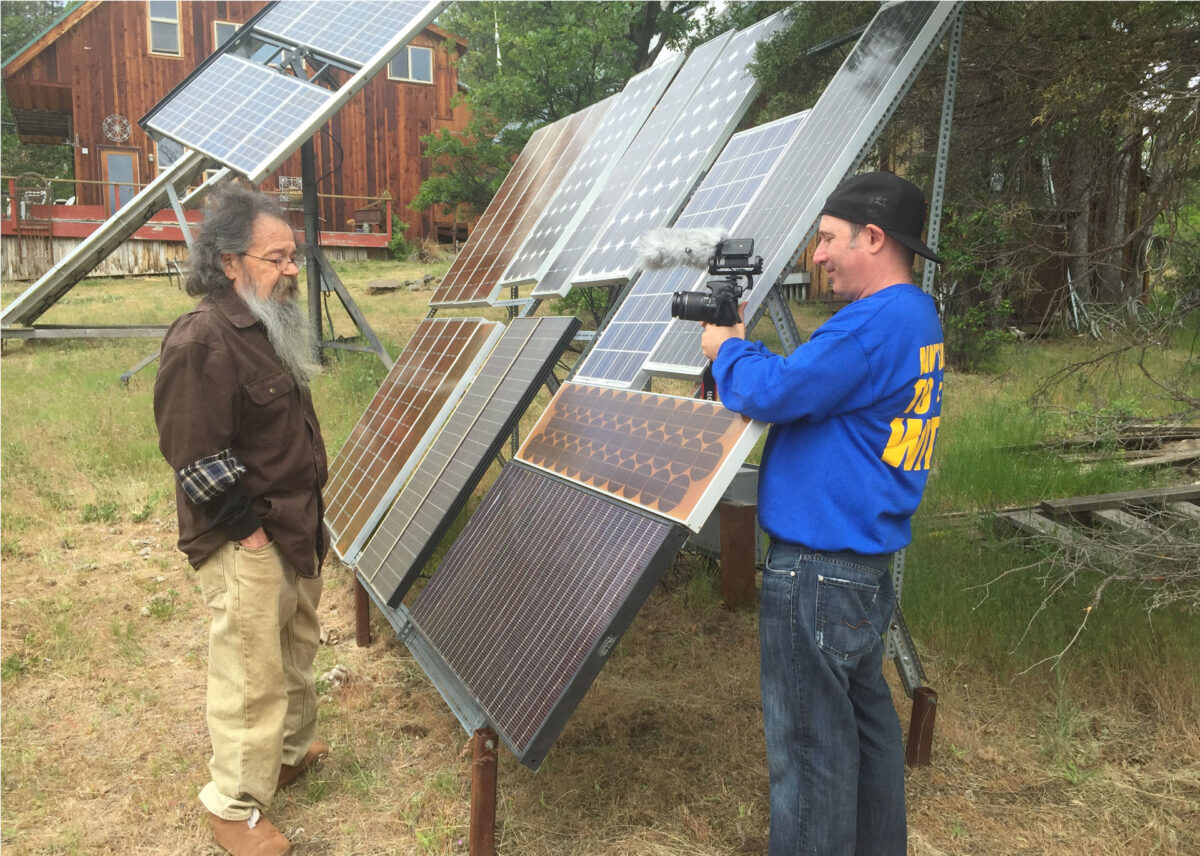





The documentary film “Solar Roots: The Pioneers of PV” is a project launched in 2015 by Jeff Spies, president of Planet Plan Sets, that tells the story of the birth of the U.S. PV industry. Along with Jason Vetterli, the two interviewed what they describe as “visionary engineers and business hippies” who helped launch the industry.
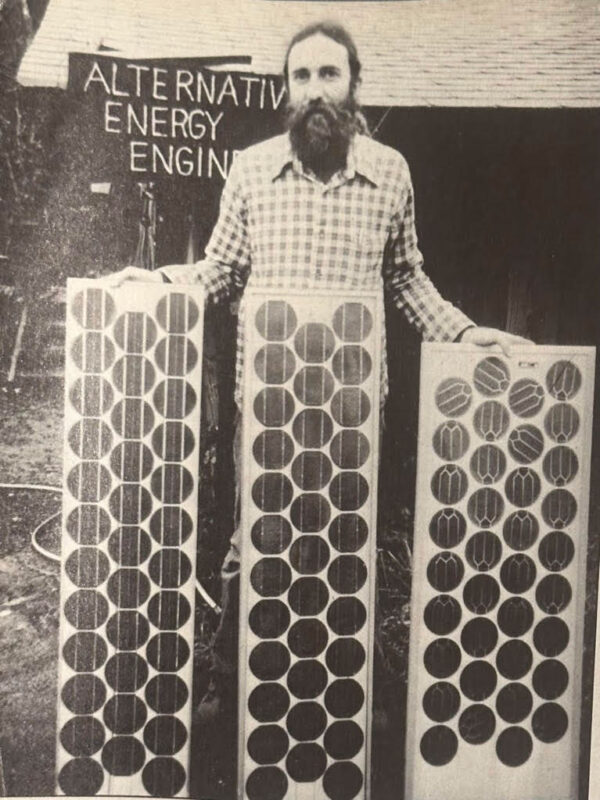
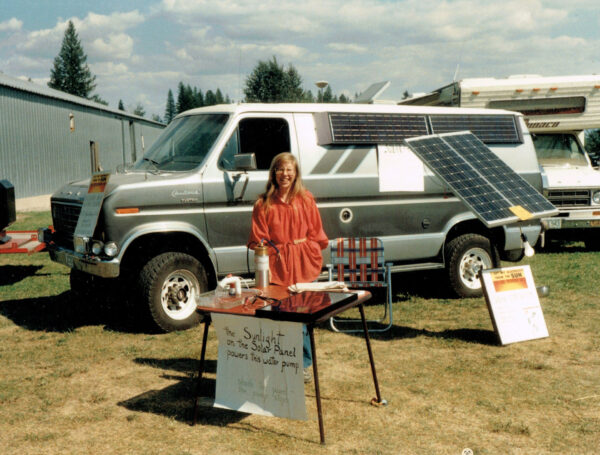
The two-hour documentary focuses primarily on solar pioneers living in Humboldt County and other off-grid communities in California and the western United States, where in the ’60s and ’70s baby boomers were buying up low-cost land with no electrical utility service. Before they had solar panels, they’d get power from their car’s battery to run a couple of lights and a tape player, but when the battery power ran low, they’d take the car out for a drive, which was inconvenient and expensive. When a handful of off-grid homestead supply companies began selling PV modules from companies like Arco Solar, off-grid solar began to proliferate.
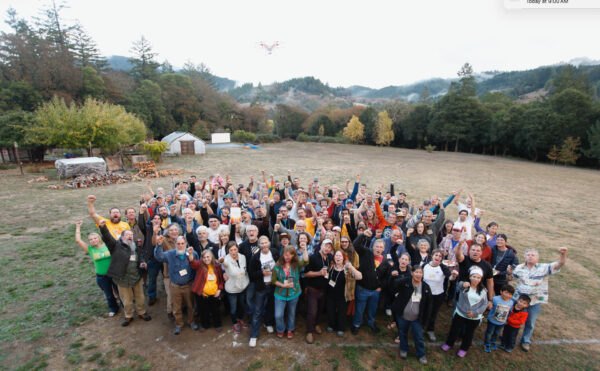
Spies told pv magazine USA that his original idea wasn’t to make a documentary, but to bring friends from the solar industry up to Humboldt County for a “Solar Pioneer” party. A larger group met in Grass Valley, Calif. the following year for another party, and by that point, the production of the documentary was fully underway, because it was obvious there was significant interest in the origin story of the PV industry.
The third and final Solar Pioneer Party took place in Mendocino County, Calif. and over 300 attendees were present at the debut of the rough-cut draft version of the film.
At the time Spies was director of policy at Quick Mount PV, where he had worked with Vetterli on filming training videos. Vetterli quickly gained recognition as the best video editor in the business, Spies said. When Spies got the idea for a documentary, he brought Vetterli on board as his filmmaker and editor.
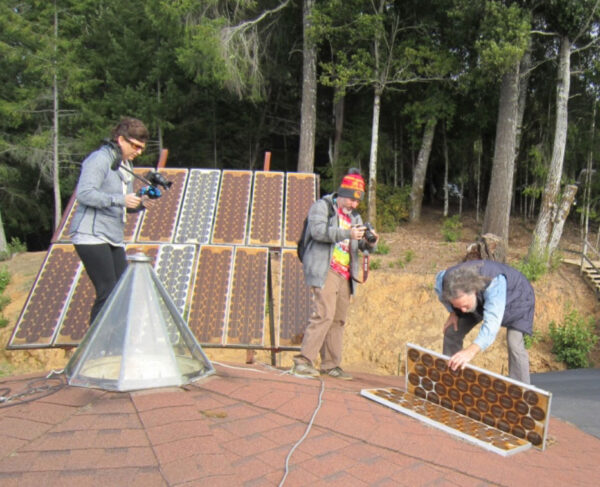
The early Solar Pioneer parties were like a who’s who of the solar industry, Spies said, with Johnny Weiss founder of Solar Energy International, Richard Perez Founder of HomePower and SolarPro Magazines, David Katz founder of Alternative Energy Engineering (AEE Solar), John Shaeffer founder of Real Goods, Steve and Elizabeth Willey founders of Backwoods Solar and many other past and present leading figures in the solar industry.
Spies learned early in his solar career that it was the money made by selling marijuana that provided the income to allow off-grid homesteaders to buy what were very expensive solar PV modules, selling for the current day equivalent of $50/Watt.
“It is clear to me that the marijuana industry financed the start of the solar industry,” Spies said. He explained that in the late ’70s and early ’80s a lot of young people were moving into these remote areas with cheap land that had no electrical utility service. The only way most of these homesteaders could make money was to grow and sell marijuana.
These people lived off the grid and needed solar to power lights and electronics. “These were smart people,” Spies said, adding that they had the use of off-grid electrical power all figured out and were just waiting to get their hands on solar modules. “Solar modules were incredibly expensive, though,” he said. “And that’s where marijuana came in.” Because marijuana was based on cash sales only, these people would purchase solar with cash, Spies said. “A lot of solar was purchased at harvest time.”
“The early growth of the solar industry is directly a result of the solar pioneers featured in our documentary film,” Spies said.
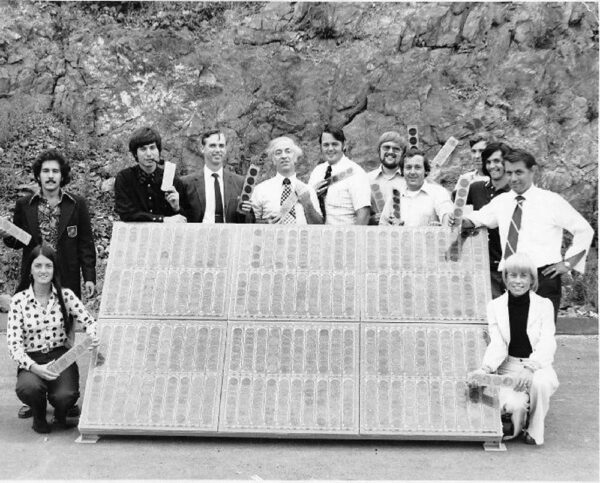
David Katz, for example, had gone to work for the department of defense in the Bay Area but wasn’t particularly interested in living in the big city. After a trip to Humboldt County to visit friends, he moved there and reverted to his earlier career as a VW mechanic. To help provide simple electricity for home power, he started installing a two-battery charging system in his customers’ cars so they could run lights and tape players in their homes.
After a trip to the Consumer Electrical Show in 1980, he discovered a source to purchase 33-watt Arco solar modules for his own home, and after his friends saw what he had done, he bought more to install on other homes in the area. The concept quickly caught on with others in the area and his solar business was underway. Katz stated that solar panels were the perfect solution as “I didn’t have to drive a car every day just to charge the batteries for home power.”
In 1978 Katz started AEE and ran it for more than three decades before selling to the company that would become Sunrun. One of the most significant turning points in the early stages of his business Katz told Spies about was when Arthur Rudin, then a salesperson for Arco Solar, walked into the AEE office in Briceland, Calif. and “saw these barefoot hippies walking in and paying cash for modules, which were very expensive at the time.” For the next several years, Spies said Arco was taking cash payment for solar modules.
The documentary came together between 2015 and 2017, funded in large part by Spies himself, which he said will be in the tens of thousands of dollars. “I’m willing to make that contribution because the story deserves to be known,” he said. The rough-cut draft version of the film first debuted in 2017 and was screened about 35 times, mostly to people within the industry. After that, Spies and Vetterli took a long overdue break with the intent to release the final public version in 2020, but when the COVID pandemic hit, the timeline shifted. By 2025, with editing complete, they were again ready to launch but then with federal policy changes creating much uncertainty in the industry, they postponed the launch party to October 2026.
Spies describes the film as not so much a documentary but a human-interest story. He said that of the 15 main characters, five have since passed away. “Most of the main pioneers are in their 80s,” Vetterli said. “They’re dedicated, super intelligent people telling their life stories in a way that deeply resonates with the viewers.” Vetterli added that while he and Spies are amateur filmmakers, he said “their stories were so good, it made it easy for me to be like, sure let’s put this out.”
Vetterli noted that he came into the solar industry by chance but the experience of making this film is one reason he’s stayed working in solar. “I love that we’re producing photons…and fighting big oil at the same time,” adding that “I firmly believe that 200 years from now the vast majority of energy will come from the sun.”
The film is anticipated to debut in October 2026 at the Solar Roots Party in Grass Valley, Calif. After that showing, the film will be released free to the public through Vimeo and YouTube.
Spies said he hopes this entertaining story will help inspire people to help embrace sustainability and keep solar growing to become the primary form of electrical power for the benefit of future generations.
View the trailer here. For more information go to the Solar Roots website.
This content is protected by copyright and may not be reused. If you want to cooperate with us and would like to reuse some of our content, please contact: editors@pv-magazine.com.



Anne, Thank you for bringing attention to the history of the solar photovoltaic industry. I hope you will be able to attend the Solar Roots Party in October in Grass Valley, California.
Does the documentary include any mention of the Grateful Dead? I’m pretty sure many of their NorCal jam sessions were solar powered and attended by the cast of characters featured here.
That was orange sunshine koolade but also electric haha. My solar company is called sunshine daydream solar LLC
Thanks fo rthe fun article!