




The solar industry is entering 2026 as the foundational technology for new power demand growth even as the sector navigates a volatile federal policy landscape.
According to a new report from Wood Mackenzie, cumulative global solar capacity is on track to nearly triple, growing from almost 3 TW today to nearly 8 TW by 2034. While the 2025 market was defined by structural changes in China and executive actions in the U.S., the fundamentals for 2026 remain driven by a massive acceleration in electricity demand.
In the United States, annual power demand growth is projected at 2.9% through 2035. The surge is primarily fueled by data centers, manufacturing facilities, and transport electrification.
Wood Mackenzie currently tracks 160 GW of committed and under-construction large load requests, a figure representing 22% of the total 2024 peak demand.
The report notes that while the Trump administration has favored fossil fuels and created a “volatile environment” leading to project cancellations, solar will be a primary source of new generation.
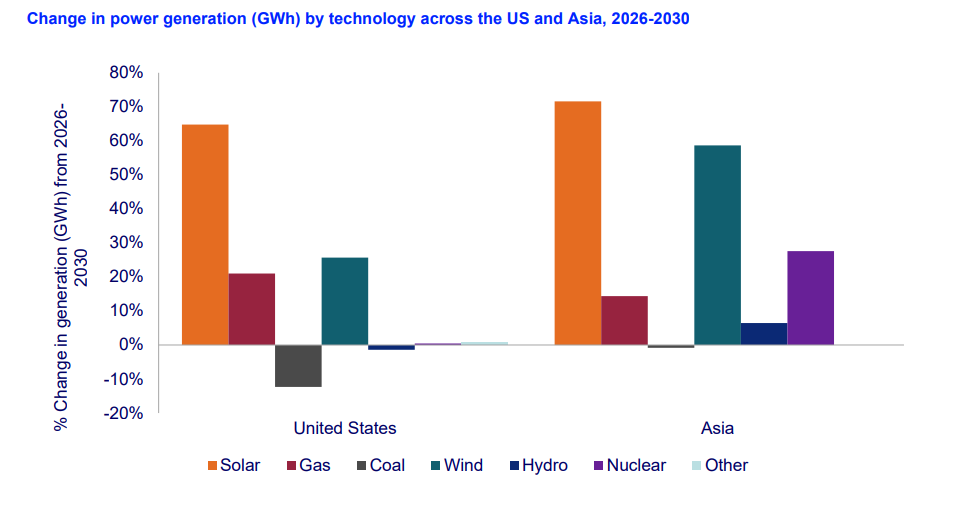
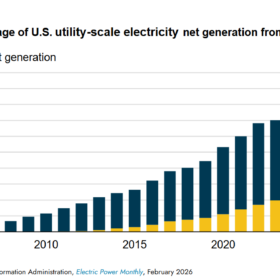
Between 2026 and 2030, annual solar generation in the U.S. is forecast to grow by 232 GWh, a 65% increase. For comparison, annual gas generation is expected to grow by 340 GWh, or 21%, in that same period.
A parallel shift is occurring in the Asia Pacific region, where new capacity investment is overwhelmingly directed toward solar, wind, and storage. Solar accounted for 11% of the region’s power generation mix in 2025 and is forecast to reach 17% by 2030. Wood Mackenzie indicates that by the end of the decade, the combination of solar, wind, and storage will make up one-third of the power generation mix, up from less than 10% in 2020.
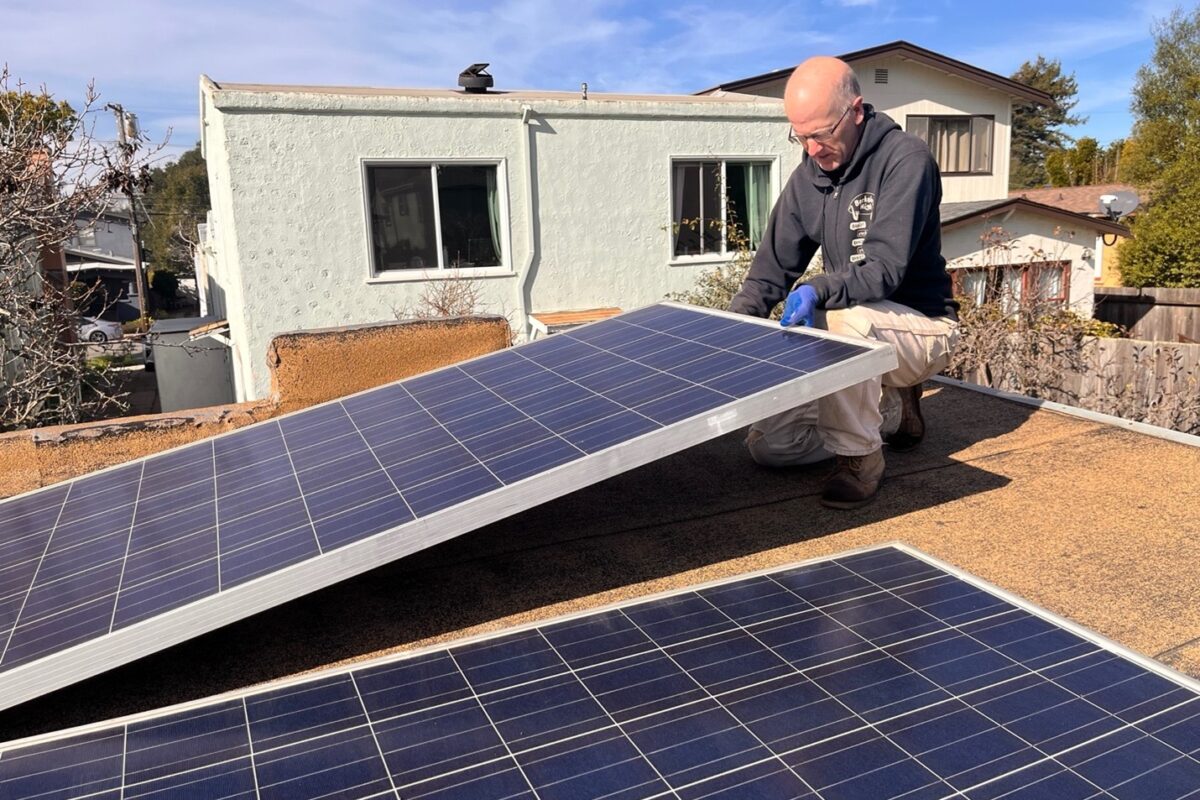
Beyond utility-scale demand, the report highlights the potential for “balcony solar” to spark a wave of new U.S. policies. Often referred to as “plug-in solar,” these small-scale systems have already seen significant adoption in Germany, where they accounted for 40% of registered installations in 2024.
In the U.S., Utah became the first state in March 2025 to allow residential customers to use portable solar devices up to 1.2 kW without a utility interconnection agreement. Since then, more than a dozen states have introduced similar legislation.
While balcony solar offers short payback periods of less than five years, the report identifies several hurdles for the U.S. market. These include more fragmented electrical standards compared to Europe, lower standard voltage of 120 V and a higher proportion of single-family homes that may find the systems less aesthetically attractive.
Despite these challenges and the first expected market contraction in China in 2026, Wood Mackenzie concludes that solar remains one of the primary sources of electricity generation capable of supplying global load growth over the next five years.
This content is protected by copyright and may not be reused. If you want to cooperate with us and would like to reuse some of our content, please contact: editors@pv-magazine.com.





By submitting this form you agree to pv magazine using your data for the purposes of publishing your comment.
Your personal data will only be disclosed or otherwise transmitted to third parties for the purposes of spam filtering or if this is necessary for technical maintenance of the website. Any other transfer to third parties will not take place unless this is justified on the basis of applicable data protection regulations or if pv magazine is legally obliged to do so.
You may revoke this consent at any time with effect for the future, in which case your personal data will be deleted immediately. Otherwise, your data will be deleted if pv magazine has processed your request or the purpose of data storage is fulfilled.
Further information on data privacy can be found in our Data Protection Policy.