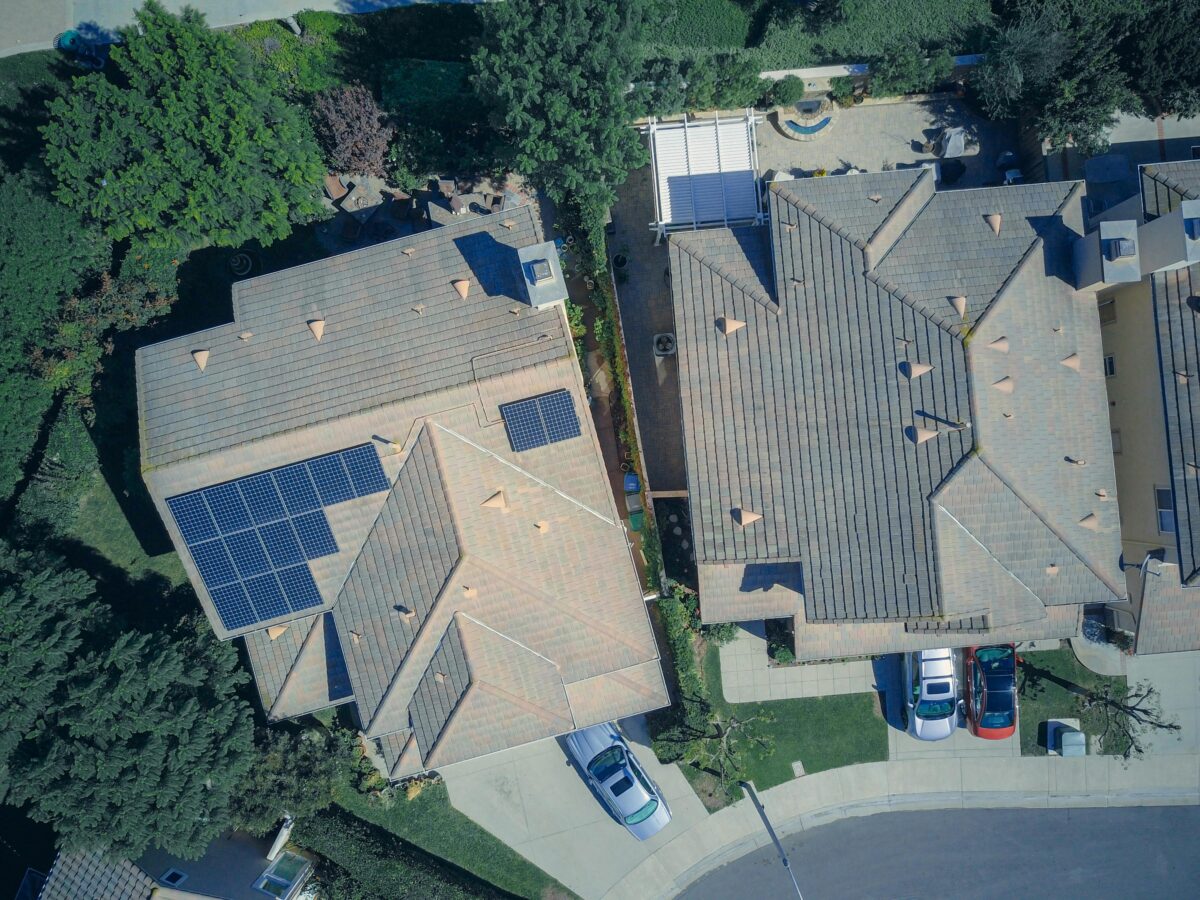





Research led by Washington State University has developed and tested an electricity trading system for solar and battery storage within a shared neighborhood.
The research presents a model for sharing energy from distributed assets such as solar panels and batteries at the local level, similar to trading at the transmission level.
John Theisen, lead author on the paper, commented that the changing landscape of the electricity industry necessitates practical solutions for coordinated operation at the distribution level. “If you can coordinate and move electricity around in a way that is optimal, you can increase efficiency, offer better utilization, and save a lot of money for the people operating the assets, the utility companies, and for the consumers,” he added. “When you can utilize an underutilized asset, you can gain a lot more value from it.”
The research team’s cloud-based system analyzes energy prices and solar forecasts, allowing the owner of an asset to trade energy locally, responding to changes in the price of energy throughout the day via a bidding method. It also explains that customers with solar panels and batteries send bidding curves to a third-party platform via the system, allowing them to work with the local utility to balance energy needs and share energy within the community.
The system was tested across one section of a distribution feeder, equivalent to around one-eighth of the region’s substation. Over a five-day test period, the simulations highlighted potential savings of around $1,000 for the selected assets.
The research paper adds that the simulations, made in collaboration with a local utility network, highlighted that the mechanism could reduce energy costs by up to 12% in communities with solar and battery energy storage systems. The researchers also validated their approach through field tests using a 1.32 MWh battery.
“If those kinds of assets existed everywhere in the distribution system at that level of participation, you can save hundreds of thousands of dollars a year on costs,” Theisen added. “Everyone’s worried that the price of electricity is rising, and it will. The only way you can get around that is by being more energy efficient and figuring out these smarter ways to coordinate electricity.”
The research, developed in collaboration with energy company Avista Utilities, is presented in the research paper “Community-Based Transactive Coordination Mechanism for Enabling Grid-Edge Systems,” published in the journal IEEE Transactions on Industry Applications.
This content is protected by copyright and may not be reused. If you want to cooperate with us and would like to reuse some of our content, please contact: editors@pv-magazine.com.



By submitting this form you agree to pv magazine using your data for the purposes of publishing your comment.
Your personal data will only be disclosed or otherwise transmitted to third parties for the purposes of spam filtering or if this is necessary for technical maintenance of the website. Any other transfer to third parties will not take place unless this is justified on the basis of applicable data protection regulations or if pv magazine is legally obliged to do so.
You may revoke this consent at any time with effect for the future, in which case your personal data will be deleted immediately. Otherwise, your data will be deleted if pv magazine has processed your request or the purpose of data storage is fulfilled.
Further information on data privacy can be found in our Data Protection Policy.