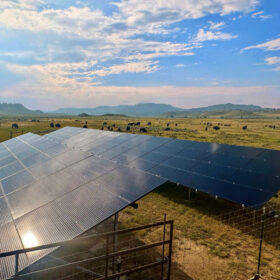
Nothern Cheyenne Tribe swaps diesel for off-grid solar to power buffalo ranch
Indigenized Energy recently led a project deploying an off-grid solar-plus-storage solution for a buffalo ranch owned by the Northern Cheyenne Tribe in Montana. pv magazine spoke with Serena Romero, the company’s director of marketing and communications, about the potential of off-grid renewables to empower North America’s indigenous peoples.
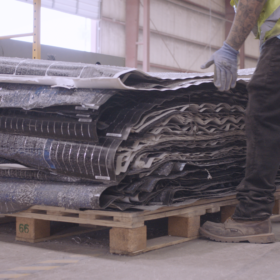
The richest silver mine isn’t underground: It’s in solar panels
As primary silver grades decline and solar demand surges, the industry must transition from viewing retired panels as waste to treating them as high-grade mineral reserves essential for the energy transition.
New model reveals pathway for land-efficient U.S. solar expansion
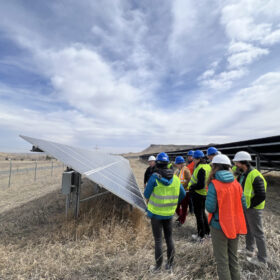
McGill University researchers, publishing in Communications Earth & Environment, used deep-learning computer vision to analyze 719 solar projects across the Western U.S. The study establishes a new “land-sparing” benchmark, providing developers with precise data to balance rapid capacity expansion with conservation and land-use priorities.
A winter survival checklist for residential solar and storage
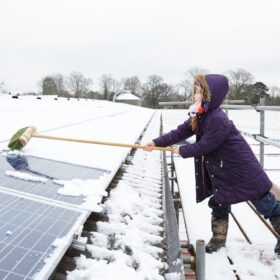
Otovo provides tips for solar customers to avoid getting caught with a dead battery or snow-covered panels when the next winter storm hits the grid.
The future of solar is unwritten
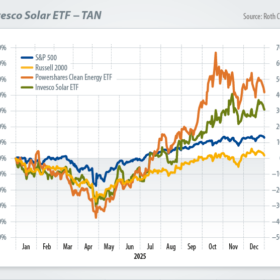
Whatever decision the U.S. Department of Commerce makes on polysilicon imports, some market segments are in for a bumpy ride in 2026 as the expiration of tax credits and other policy levers change the trading environment faced by residential installers and others. Jesse Pichel and Lev Seleznov of Roth Capital assess what lies ahead for U.S. solar.
Solar and storage to lead record-breaking 86 GW of new U.S. capacity in 2026
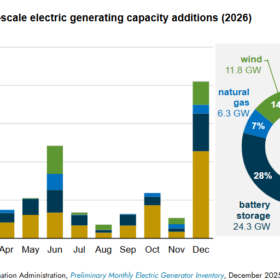
From Texas-sized utility projects to skyrocketing residential battery attach rates, 2026 marks the year solar and storage transition from the electric grid’s fastest-growing additions to its foundational pillars.
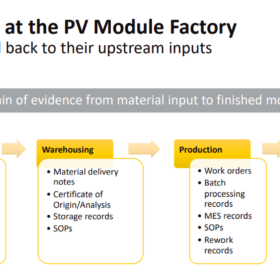
Supplier attestations alone won’t satisfy FEOC scrutiny
As MACR thresholds rise under the One Big Beautiful Bill Act, traceability audits and contract reviews are becoming essential to avoid long-term tax credit recapture exposure.
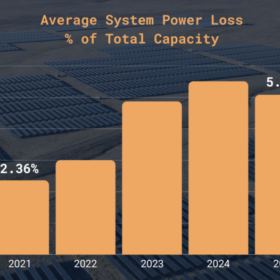
U.S. solar assets lose average $5,070 per MW from power losses
A new report calculates the average power loss of 373 GW of utility-scale and commercial and industrial solar assets in the U.S. at 5.08%, more than double the level five years ago. The power loss average among projects deploying robotics and automation falls to 3%.

U.S. government sets preliminary countervailing duties on solar imports from India, Indonesia and Laos
The U.S. Department of Commerce has issued preliminary findings that solar manufacturers in India, Indonesia and Laos benefited from government subsidies, paving the way for countervailing duties of up to 143.30%.

Survey finds 85.8% of Canadians support agrivoltaics
Canadian researchers conducted the first nationwide survey on public attitudes toward agrivoltaics, finding strong support across provinces with 85.8% of respondents in favor, although preferences varied by configuration. Opposition mainly stemmed from resistance to change, aesthetic concerns, and lack of awareness, highlighting the need for public education and updated policy frameworks to enable wider adoption.