DOJ drops defense of tariff moratorium, leaving industry exposed to $70 billion in retroactive duties
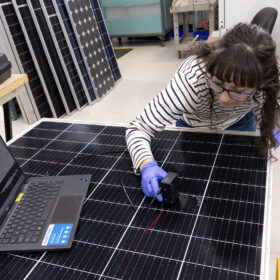
The Department of Justice has withdrawn from the legal defense of a two-year tariff pause on solar modules, leaving private developers and trade groups to face the threat of billions in retroactive duties alone.
Canada adds only 57 MW of utility-scale solar in 2025
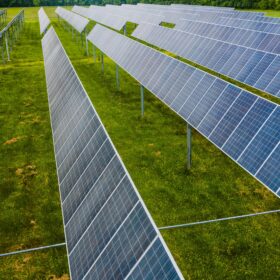
The Canadian Renewable Energy Association is forecasting Canada’s cumulative solar capacity, which stands at 5.4 GW today, could surge to around 21 GW by 2035, driven by a healthy procurement pipeline across most provinces. Official deployment figures for behind the meter solar installations last year, which are driving Canada’s solar market today, are yet to be finalized.
Winter Storm Fern disrupts North American solar in late January
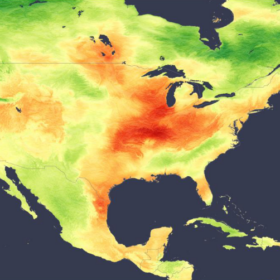
In a new weekly update for pv magazine, Solcast, a DNV company, reports that January 2026 began with relatively mild, solar-favorable conditions across much of the eastern U.S., but ended with Winter Storm Fern, as a polar vortex disruption triggered widespread cold, clouds, and sharply reduced solar generation. A rare S4-level solar radiation storm was also recorded in mid-January, though it had no direct impact on photovoltaic performance or solar data quality.
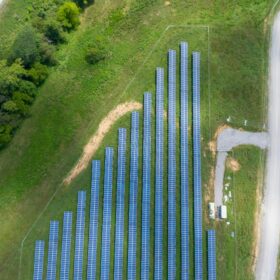
Reliability over rates: U.S. power markets pivot as demand surges 34%
Solar developers need to adapt to new realities and seize new opportunities, said a report from Enverus Intelligence Research.
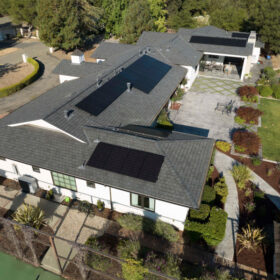
Four reasons why grid services are the unsung hero of the U.S. clean energy future
Grid services and VPPs turn everyday home devices into a dynamic, cost-effective solution for a modernizing electric grid.

U.S.-India trade deal reduces solar tariffs
Tariff reductions under the new U.S.-India trade agreement lower import costs for solar modules and energy storage components. Reciprocal tariffs were effectively reduced from 50% to 18%.

Enphase Energy cuts about 6% of workforce
Amid a projected downturn following the expiration of federal solar tax credits, the microinverter and battery giant said it is prioritizing operational efficiency and AI-driven automation.
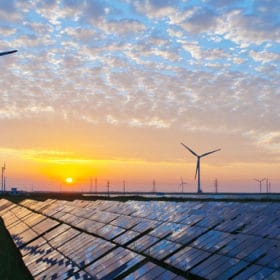
U.S. solar eclipses wind
Total installed capacity of solar has officially surpassed wind energy capacity in the U.S. as the technology continues its 27-month streak as the leading source of new additions to the grid, according to the Federal Energy Regulatory Commission.
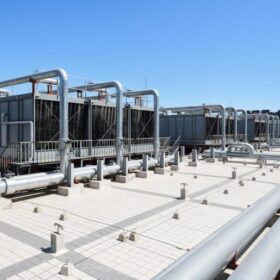
Solar-plus-storage for data centers: not a simple switch
Renewables and storage could reliably power data centers, but success requires active grids, coordinated planning, and the right mix of technologies. Hitachi Energy CTO, Gerhard Salge, tells pv magazine that holistic approaches ensure technical feasibility, economic viability, and energy system resilience.
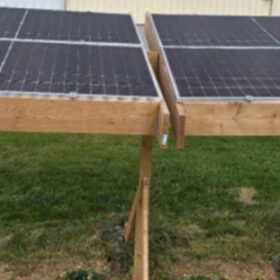
Agrivoltaics can help lettuce survive extreme heat
Scientists have grown organic romaine lettuce under 13 different types of PV modules, in an unusual hot Canadian summer. Their analysis showed lettuce yields increased by over 400% compared to unshaded control plants.